

 русский
 Español
 عربى
عربى

 Home / Blogs / Industry News / How Does a Stainless Steel Air Diaphragm Pump Compare with Other Pump Types
 How Does a Stainless Steel Air Diaphragm Pump Compare with Other Pump Types
 2026.08.18
 Industry News
Industrial fluid transfer demands equipment that can flex with whatever working conditions get thrown at it. Pumps show up everywhere across industry, but different pump designs approach the same basic problem — moving liquid — in genuinely different ways. What actually works better comes down to fluid type, working environment, maintenance expectations, and the operational demands of the job at hand.
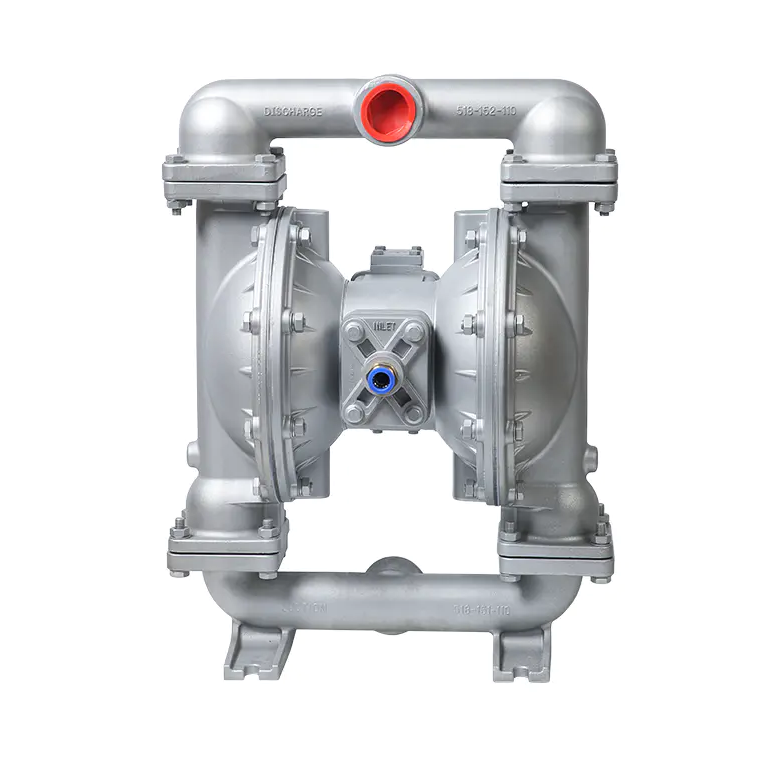
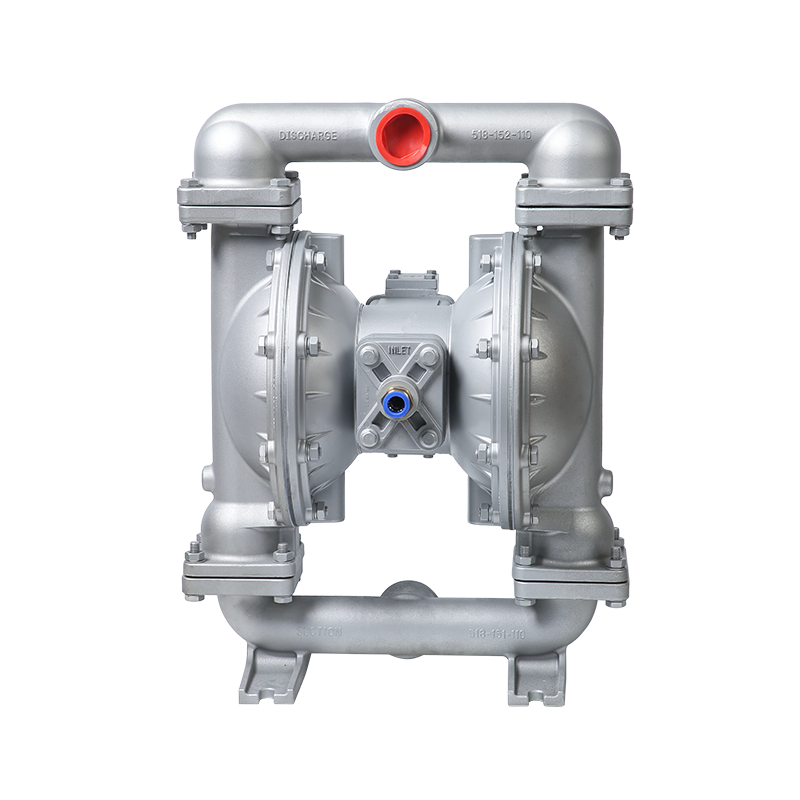
Among the various options out there, the stainless steel air diaphragm pump has earned real attention for its flexibility and sheer range of application. It runs on a working method that looks nothing like a lot of traditional pump types, and that difference shapes how it actually performs once it's out in an industrial setting.
Getting a real handle on how this pump stacks up against other types helps buyers and engineers land on choices that genuinely fit their project instead of guessing.
Why Are Different Pump Types Used for Different Applications?
No single pump design was ever going to fit every situation. Industries handle wildly different fluids — from everyday liquids to materials that demand genuinely specialized handling.
Different pump types exist precisely because different needs exist. Some are built for continuous, steady fluid movement. Others are built around carefully handling sensitive materials or working in genuinely challenging environments.
Common pump categories tend to include:
| Pump Type | Common Application Focus |
|---|---|
| Stainless steel air diaphragm pump | Flexible fluid transfer and industrial applications |
| Centrifugal pump | Continuous movement of general liquids |
| Gear pump | Transfer of certain thicker fluids |
| Piston pump | Applications requiring controlled movement |
| Peristaltic pump | Handling fluids through flexible tubing systems |
Each design carries its own set of characteristics. The real goal is matching a pump to actual working conditions rather than just picking whatever's familiar.
How Does a Stainless Steel Air Diaphragm Pump Work Differently?
A stainless steel diaphragm pump runs on air power and repeated flexible diaphragm movement. Rather than leaning on rotating components to push fluid along, it relies on diaphragm action cycling back and forth.
That basic design creates several real differences compared with a lot of other pump types out there.
The stainless steel structure offers a strong surface option wherever material compatibility genuinely matters. The air-driven operation also lets the pump work in areas where electrical equipment might not be a great fit at all.
Compared with traditional pump systems, the main differences usually come down to:
- Power source
- Fluid handling method
- Installation flexibility
- Maintenance approach
These differences are really what explain why air diaphragm pumps keep getting picked for such a wide range of industrial applications.
How Does It Compare with Centrifugal Pumps?
Centrifugal pumps show up constantly across industrial settings, usually chosen for moving large volumes of general fluids in continuous processes.
A stainless steel diaphragm pump takes a fundamentally different approach to the same problem.
Centrifugal pumps generally rely on rotational movement to transfer fluid, and their performance can take a hit depending on certain fluid characteristics — especially when liquids carry particles or conditions keep shifting.
Air diaphragm pumps tend to offer real advantages when:
- Fluid conditions vary unpredictably
- Gentle transfer matters more than raw speed
- Self-priming ability is genuinely needed
- Dry operation situations might come up
That said, centrifugal pumps still hold their ground firmly for applications that need steady, continuous liquid movement without interruption.
Choosing between the two really comes down to the nature of the task itself rather than one type simply being better across the board.
What Makes a Stainless Steel Air Diaphragm Pump Different from a Gear Pump?
Gear pumps rely on rotating gears to move fluid, and they're often tied to controlled transfer of specific materials.
A stainless steel diaphragm pump differs right at the core, since it doesn't depend on gear movement at all — and that shapes how it handles different fluids quite a bit.
Gear pumps tend to get picked when consistent flow characteristics really matter. Air diaphragm pumps get considered more often when flexibility and adaptability carry more weight in the decision.
A quick comparison lays out some of the general differences:
| Feature | Stainless Steel Air Diaphragm Pump | Gear Pump |
|---|---|---|
| Driving method | Air-powered operation | Rotating mechanism |
| Fluid handling | Suitable for various fluid conditions | Often used for specific fluid transfer |
| Maintenance style | Focuses on diaphragm-related parts | Focuses on internal moving components |
| Application flexibility | Used across many industries | Often selected for particular processes |
The right call here really depends on the working environment and exactly what kind of fluid needs moving.
Can a Stainless Steel Air Diaphragm Pump Handle More Challenging Fluids?
A lot of industrial processes involve liquids that genuinely need careful handling. Some fluids carry particles, some shift in character over time, and some just need a pump flexible enough to adapt as conditions change.
The stainless steel diaphragm pump tends to get a serious look in these situations precisely because of how it operates.
Possible application areas include:
- Chemical processing
- Food and beverage production
- Surface treatment
- Industrial cleaning
- General manufacturing
The stainless steel build supports applications where material durability and cleanliness genuinely matter to the process.
Other pump types can handle these environments too, of course — the actual selection always comes down to the specific demands of the process in question.
How Does It Compare with Piston Pumps?
Piston pumps rely on a moving piston to drive fluid transfer, and they're a common pick wherever controlled pumping action is genuinely required.
Set against piston pumps, China Diaphragm Pump Factory strike a different balance between flexibility and overall operating style.
Piston pumps can deliver genuinely strong pressure performance in certain applications. But their structure packs in more moving parts, which tends to demand more attention during maintenance over time.
Air diaphragm pumps tend to get chosen when users want:
- Simple operation
- Flexible installation
- Compatibility with a range of fluids
- Less complexity in daily use
Both pump types have their own genuine strengths. The right fit depends entirely on what a given system actually expects from it.
Why Is Stainless Steel Important in Diaphragm Pump Applications?
Material choice plays a genuinely important role in pump performance. Different environments place very different demands on equipment surfaces.
Stainless steel gets picked constantly for industrial equipment thanks to its durability and its adaptability across a lot of different conditions.
For air diaphragm pumps specifically, stainless steel construction tends to support applications involving:
- Moist environments
- Frequent cleaning processes
- Industrial production areas
- Demanding fluid handling requirements
Material choice genuinely shapes how well a pump fits into a specific working environment.
That said, pump design and operating conditions still matter just as much. Material alone was never going to be the sole deciding factor in whether a pump actually suits the job.
Are Stainless Steel Air Diaphragm Pumps Easier to Maintain?
Maintenance carries real weight in any equipment selection decision. A pump that's genuinely difficult to service ends up dragging down daily operations sooner or later.
Stainless steel diaphragm pumps tend to earn credit for a relatively simple structure. Their operation doesn't hinge on a lot of complex internal mechanisms working in concert.
Maintenance work tends to involve:
- Checking wear-related components
- Keeping surfaces clean
- Replacing parts as needed
- Following proper operating practices consistently
Other pump types often demand a different maintenance approach entirely. Pumps built around more rotating components, for instance, tend to need more inspection points overall.
The better maintenance approach really comes down to pump design and the specific application environment involved.
Where Are Stainless Steel Air Diaphragm Pumps Commonly Used?
The flexibility built into stainless steel diaphragm pumps lets them show up across a genuinely wide spread of industries.
Common application areas include:
| Industry Area | Typical Use |
|---|---|
| Chemical industry | Moving industrial liquids |
| Food processing | Handling production materials |
| Manufacturing | Supporting production processes |
| Water treatment | Managing fluid movement |
| Equipment maintenance | Supporting transfer tasks |
Their presence across such varied industries really speaks to how well they adapt to different operating conditions.
What Should Buyers Consider When Comparing Pump Options?
Choosing between pump types deserves genuinely careful evaluation. Buyers should look past generic descriptions and think hard about the actual working environment involved.
What type of fluid needs transferring?
Fluid characteristics shape pump selection directly. Different liquids call for genuinely different handling methods.
What does the working environment look like?
Space constraints, power availability, and cleaning requirements all factor into the decision one way or another.
How much does flexibility matter?
Some applications genuinely need equipment that can adjust as conditions shift.
What maintenance approach fits best?
A pump needs to match the maintenance resources and operating habits already in place at a facility.
Weighing all of this carefully is really what helps buyers compare options with any real confidence.
Could Stainless Steel Air Diaphragm Pumps Become More Common in Industrial Systems?
Industrial operations keep leaning toward equipment that's genuinely flexible and reliable at once. As application requirements keep diversifying, pump selection keeps getting more specific right along with it.
Stainless steel diaphragm pumps offer another solid option for industries that need adaptable fluid transfer without a lot of complexity attached. Pairing air-powered operation with stainless steel construction lets them serve a genuinely wide range of environments well.
They were never going to replace every other pump type out there. What they offer instead is a genuine alternative for situations where flexibility, material choice, and operational convenience carry real weight in the decision.
As industries keep exploring efficient fluid handling methods, stainless steel air diaphragm pumps look set to stay firmly part of that broader conversation around industrial pumping solutions.
Copyright © Zhejiang Zhanbo Diaphragm Pump Manufacturing Co., Ltd.

OEM/ODM Diaphragm Pump Manufacturer