

 русский
 Español
 عربى


 Home / Blogs / Industry News / Lined Pneumatic Diaphragm Pump: Demand Grows for Corrosion-Protected Fluid Transfer
Lined Pneumatic Diaphragm Pump: Demand Grows for Corrosion-Protected Fluid Transfer
 2026.11.27
 Industry News
Most lined pneumatic diaphragm pump problems are decided at three moments: before the order is placed, while assembly details are being confirmed, and after the pump has run for a few months. A leak at the flange, a diaphragm that fails early, or a liner that blisters after weeks of service usually traces back to a question that was never asked at one of these points. Buyers who treat these moments as separate checkpoints tend to catch problems while they are still cheap to fix.
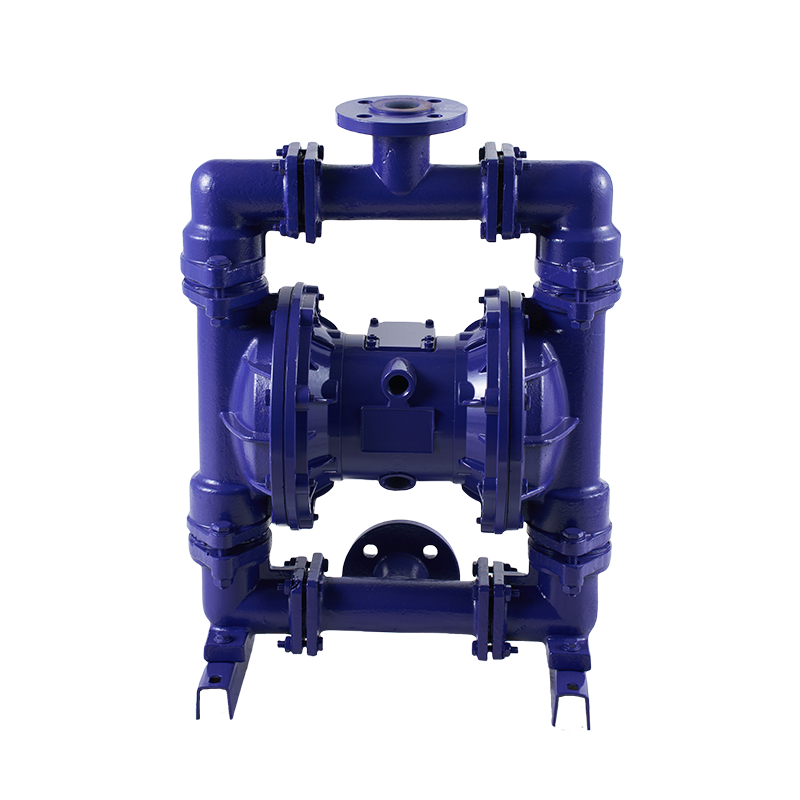
The Liner Protects the Housing from Chemical Attack
The liner isolates the fluid from the metal housing
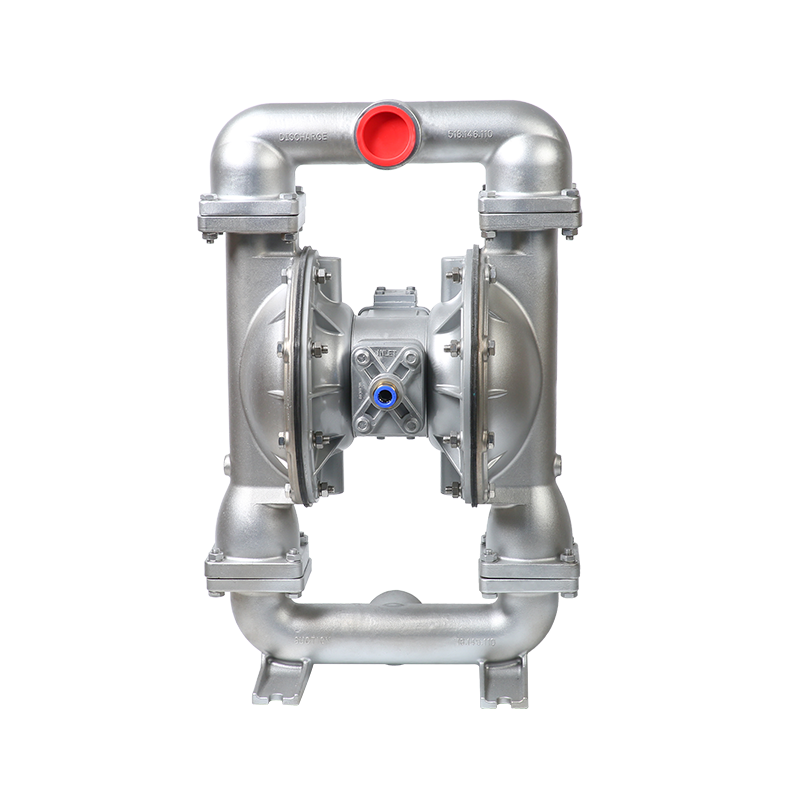
A Lined Pneumatic Diaphragm Pump uses a fluoropolymer or rubber liner bonded to the inside of the pump body. The liner is the only surface that contacts the fluid. The metal housing never touches the chemical. The liner absorbs the chemical attack and the housing remains intact.
Fluoropolymer liners handle the most aggressive chemicals
PTFE and PFA liners resist strong acids, oxidizers, and solvents that would destroy unlined cast iron or aluminum. A Lined Pneumatic Diaphragm Pump manufacturer bonds the fluoropolymer liner to the housing with a process that prevents delamination. The liner thickness is controlled so the flow path stays smooth.
Rubber liners handle abrasive slurries and mild chemicals
EPDM and Neoprene liners resist abrasion better than fluoropolymers. A Lined Pneumatic Diaphragm Pump with a rubber liner handles slurries, lime, and mild acids. The rubber absorbs impact from solid particles and protects the housing from wear.
The Housing Provides Strength at Lower Cost
The cast iron or aluminum housing provides pressure retention
The liner does not carry pressure. The metal housing does. A Lined Pneumatic Diaphragm Pump manufacturer uses cast iron or aluminum for the housing because these materials provide strength at a lower cost than solid alloy construction.
The lined design costs less than a solid alloy pump
A pump made entirely from Hastelloy or titanium is expensive. A Lined Pneumatic Diaphragm Pump provides similar corrosion resistance at a fraction of the cost. The liner provides the chemical resistance and the housing provides the structure.
The liner is replaceable in the field
The liner wears out over time. A Lined Pneumatic Diaphragm Pump manufacturer designs the pump so the liner can be replaced without replacing the entire pump. The housing is reused and the maintenance cost is reduced.
Common specs for Lined Pneumatic Diaphragm Pumps:
- Flow rate: 5L/min to 400L/min
- Pressure: up to 8 bar
- Housing material: cast iron, ductile iron, aluminum
- Liner material: PTFE, PFA, EPDM, Neoprene
- Diaphragm material: PTFE, EPDM
- Connections: threaded, flanged, sanitary
- Temperature: up to 150°C depending on liner
Chemical and Mineral Processing Markets Drive Demand
Chemical processors need pumps for aggressive media
Chemical plants move acids, caustics, and solvents. A Lined Pneumatic Diaphragm Pump handles these fluids without corroding. The pump is used for dosing, transfer, and recirculation. The liner is selected based on the fluid chemistry.
Mineral processors need pumps for abrasive slurries
Mining and mineral processing move slurries that wear out metal pumps. A Lined Pneumatic Diaphragm Pump with a rubber liner handles the abrasion. The rubber absorbs the impact from solid particles and protects the housing.
Wastewater treatment plants need pumps for chemical dosing
Treatment plants dose ferric chloride, sodium hypochlorite, and lime slurry. A Lined Pneumatic Diaphragm Pump resists these chemicals. The pump is used for dosing and transfer.
Buyers Focus on Liner Bond, Liner Thickness, and Chemical Compatibility
The liner bond must resist delamination
A Lined Pneumatic Diaphragm Pump manufacturer tests the bond between the liner and the housing. The bond must hold through temperature cycling and pressure pulsation. A delaminated liner allows the fluid to reach the housing and the housing corrodes.
Liner thickness affects permeation resistance
Chemicals diffuse through the liner over time. A Lined Pneumatic Diaphragm Pump manufacturer specifies the liner thickness based on the fluid and the operating temperature. Thicker liners resist permeation longer.
Chemical compatibility must be verified
The liner material must match the fluid. A Lined Pneumatic Diaphragm Pump manufacturer provides compatibility charts. The buyer selects the liner based on the fluid chemistry and the operating temperature.
The Liner Extends Pump Life in Aggressive Service
The liner sacrifices itself to protect the housing
The liner absorbs the chemical attack. A Lined Pneumatic Diaphragm Pump manufacturer designs the liner as the sacrificial component. The housing remains intact.
The liner is replaceable
The liner wears out. A Lined Pneumatic Diaphragm Pump manufacturer designs the pump for field replacement. The housing is reused and the maintenance cost is reduced.
The lined pump is cost-effective for aggressive service
The lined design costs less than a solid alloy pump. A Lined Pneumatic Diaphragm Pump provides corrosion resistance at a lower cost.
Copyright © Zhejiang Zhanbo Diaphragm Pump Manufacturing Co., Ltd.

OEM/ODM Diaphragm Pump Manufacturer