

 русский
 Español
 عربى


 Home / Blogs / Industry News / Polypropylene Pneumatic Diaphragm Pump: Demand Grows for Corrosion-Resistant Fluid Transfer
Polypropylene Pneumatic Diaphragm Pump: Demand Grows for Corrosion-Resistant Fluid Transfer
 2026.10.30
 Industry News
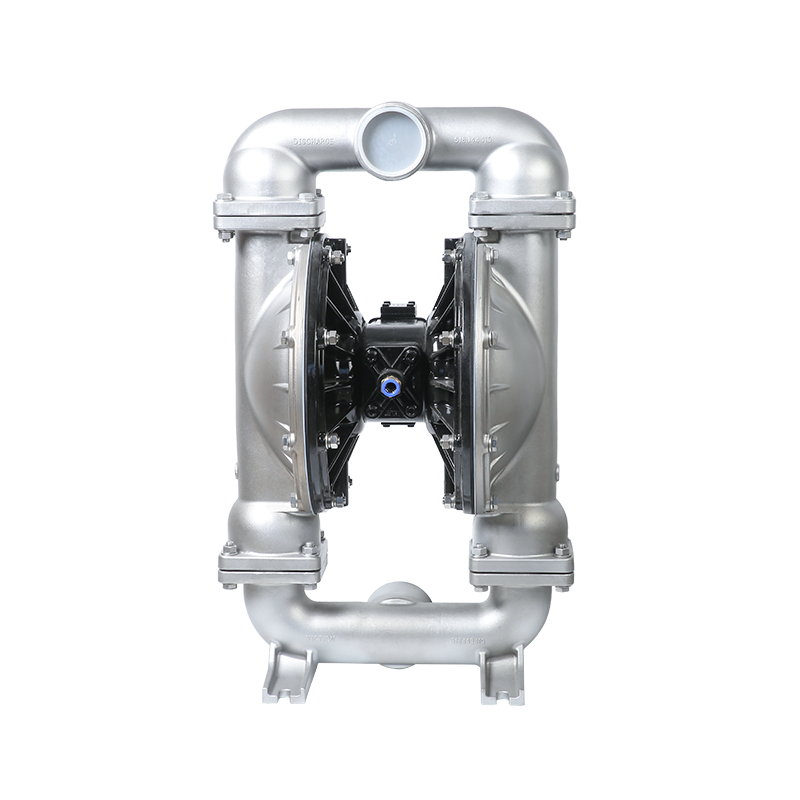
Polypropylene pneumatic diaphragm pumps are air-operated pumps with polypropylene bodies. The polypropylene construction resists acids, caustics, and other aggressive chemicals that would corrode metal pumps. The pumps are self-priming, run dry without damage, and handle a wide range of fluids. Manufacturers report steady demand from chemical processing, plating, and wastewater treatment markets.
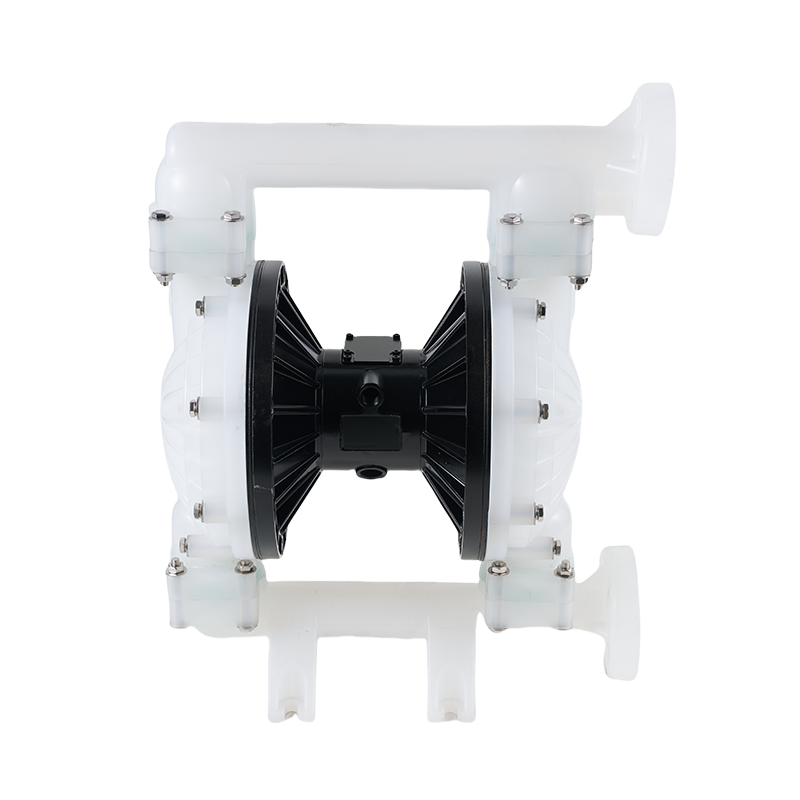
The Polypropylene Body Resists Aggressive Chemicals
Polypropylene resists acids, caustics, and solvents
Metal pumps corrode. A polypropylene pneumatic diaphragm pump manufacturer uses polypropylene bodies that resist chemical attack. The pump handles sulfuric acid, hydrochloric acid, sodium hydroxide, and many other aggressive fluids.
The pump has no metal parts in contact with the fluid
Corrosion happens when metal touches aggressive fluids. A polypropylene pneumatic diaphragm pump manufacturer uses polypropylene for all wetted parts. The pump is essentially corrosion-proof in many applications.
Polypropylene costs less than alloy pumps
Stainless steel and specialty alloys are expensive. A polypropylene pneumatic diaphragm pump manufacturer uses polypropylene to provide corrosion resistance at a lower cost.
Common specs for polypropylene pneumatic diaphragm pumps:
- Flow rate: 5L/min to 400L/min
- Pressure: up to 8 bar
- Body material: polypropylene
- Diaphragm materials: PTFE, EPDM, NBR
- Connections: threaded
- Temperature: up to 100°C
- Drive: pneumatic
Chemical and Plating Markets Drive Demand
Chemical processing needs pumps for aggressive fluids
Acids, caustics, and solvents. A polypropylene pneumatic diaphragm pump manufacturer supplies pumps that handle these fluids without corroding.
Plating and surface finishing need pumps for plating baths
Plating solutions are aggressive. A polypropylene pneumatic diaphragm pump manufacturer provides pumps that transfer plating baths and rinsing fluids.
Wastewater treatment needs pumps for chemical dosing
Treatment chemicals are corrosive. A polypropylene pneumatic diaphragm pump manufacturer supplies pumps that handle ferric chloride, sodium hypochlorite, and lime slurry.
Semiconductor manufacturing needs pumps for ultra-pure chemicals
Clean environments need contamination-free pumps. A polypropylene pneumatic diaphragm pump manufacturer provides pumps for chemical transfer in cleanrooms.
Buyers Focus on Chemical Compatibility, Temperature, and Diaphragm Material
Chemical compatibility must match the fluid
Polypropylene resists many chemicals but not all. A polypropylene pneumatic diaphragm pump manufacturer provides compatibility charts.
Temperature limits must be respected
Polypropylene softens at higher temperatures. A polypropylene pneumatic diaphragm pump manufacturer specifies the big operating temperature.
Diaphragm material must match the fluid
PTFE for aggressive chemicals. EPDM for water. A polypropylene pneumatic diaphragm pump manufacturer offers different diaphragm materials.
Flow rate must match the system requirement
The pump must deliver the required flow. A polypropylene pneumatic diaphragm pump manufacturer provides performance curves.
Pressure rating must match the system
The pump must handle the system pressure. A polypropylene pneumatic diaphragm pump manufacturer specifies the pressure rating.
Polypropylene Pumps Are Corrosion-Resistant and Cost-Effective
The pump handles aggressive fluids without corroding
Polypropylene resists chemical attack. A polypropylene pneumatic diaphragm pump manufacturer produces pumps that last in aggressive service.
The pump runs on compressed air
No electricity, no sparks. A polypropylene pneumatic diaphragm pump manufacturer supplies pumps that are safe for flammable environments.
The pump is cost-effective for chemical service
Polypropylene costs less than alloy pumps. A polypropylene pneumatic diaphragm pump manufacturer provides pumps that handle aggressive fluids at a lower cost.
Polypropylene pneumatic diaphragm pumps are used in chemical processing, plating, wastewater treatment, and semiconductor manufacturing. Buyers prioritize chemical compatibility, temperature limits, and diaphragm material. Polypropylene pneumatic diaphragm pump manufacturers continue to offer different diaphragm materials, connections, and configurations to meet the needs of different applications.
Copyright © Zhejiang Zhanbo Diaphragm Pump Manufacturing Co., Ltd.

OEM/ODM Diaphragm Pump Manufacturer