

 русский
 Español
 عربى
عربى


Understanding the Versatility of Polypropylene Diaphragm Pump
 2026.07.14
 Industry News
Walk into almost any production space and one thing becomes clear quite quickly. Fluids are always moving, but never in exactly the same way. Some days the flow is steady and predictable. Other times it changes without much warning. Equipment that can keep up with that kind of variation tends to stay in use longer.
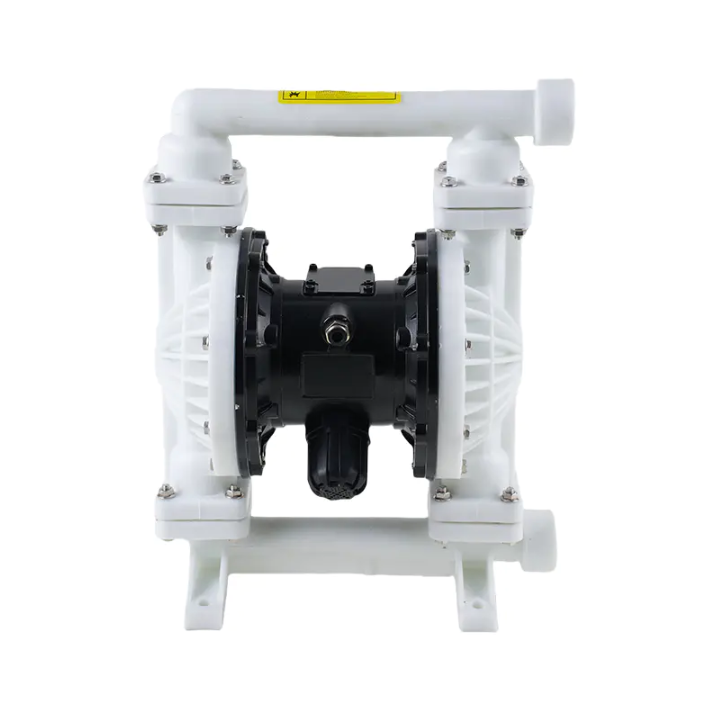
Polypropylene diaphragm pump have quietly become part of that picture. Not because they are tied to a single application, but because they can move between tasks without drawing much attention to themselves. They do their work, adjust when needed, and continue running without requiring constant intervention.
Why do these pumps appear in so many different environments?
There is a practical reason behind their wide use. Many facilities no longer operate on fixed routines. A line that handles one type of liquid today may deal with something entirely different tomorrow. Stopping to replace equipment each time is not realistic.
This is where a more adaptable pump becomes useful. Polypropylene diaphragm pumps tend to stay in place while the work around them changes. That alone reduces interruptions. It also simplifies planning, since operators do not have to match each task with a different system.
Another factor is how processes are organized now. Instead of long, unchanging production runs, there is often a mix of shorter cycles. Equipment that can handle this shift without slowing things down naturally fits into modern workflows.
What is happening inside the pump that allows this flexibility?
The internal movement is not complicated, and that is part of the reason it works so well. Instead of relying on continuous spinning parts, the pump uses a repeated motion that pushes fluid forward in a steady rhythm.
This approach separates the liquid from the main driving components. Over time, that separation helps reduce the impact that different fluids might have on the pump itself. It does not eliminate wear, but it avoids some of the direct contact issues seen in other designs.
The motion also feels more forgiving in practice. Small changes in flow demand do not cause sudden reactions. Operators can adjust output in a more gradual way, which makes day-to-day control easier.
How does the material influence where the pump can be used?
Material choice often goes unnoticed until it becomes a problem. In this case, polypropylene supports a wider range of use without asking for special treatment.
It handles contact with different liquids in a stable way. This allows the same pump to be used across multiple stages of a process. Cleaning, switching fluids, or pausing and restarting does not require as much preparation as it might with other materials.
There is also something to be said for how easy it is to handle. Polypropylene does not add unnecessary weight. When equipment needs to be moved, even slightly, that becomes noticeable. Over time, small conveniences like this add up in busy environments.
Where do these pumps tend to show up during daily operations?
They are not limited to one corner of a facility. In many cases, they move between roles depending on what is needed at the time.
| Area of Use | How the Pump Is Commonly Used |
|---|---|
| Transfer tasks | Moving liquids between containers |
| Cleaning cycles | Circulating washing or rinsing fluids |
| Surface processes | Feeding coating or treatment liquids |
| Production support | Supplying liquids into process lines |
| Water movement | Assisting flow within handling systems |
It is not unusual for the same unit to take part in more than one of these tasks during a single shift. That kind of flexibility reduces the need for duplicate equipment and keeps the layout simpler.
How do they respond when production plans change?
Changes in production can be small or sudden. Either way, equipment has to respond without becoming a bottleneck.
Polypropylene diaphragm pumps tend to handle these moments without much adjustment. Switching from one fluid to another does not usually require major setup changes. This keeps transitions short and manageable.
Maintenance also plays a role here. When a system needs attention, the ability to check or adjust parts without long downtime matters. A straightforward design makes that easier, especially in facilities where stopping completely is not an option.
The result is a system that keeps moving even when plans shift. That kind of stability is often more valuable than pushing for higher output under fixed conditions.
Can one pump really fit both small and large operations?
The answer often depends on how it is used rather than the pump itself. In smaller setups, polypropylene diaphragm pumps are usually part of the main process. They handle direct transfer and are easy to install without complex preparation.
As operations grow, their role can change. Instead of being the central component, they may support specific steps. This could involve controlled feeding, circulation, or assisting another system during certain stages.
This ability to shift roles allows the same type of pump to remain useful over time. It does not need to be replaced just because the scale of the operation has changed.
What happens when fluid conditions are not consistent?
Not all liquids behave in the same way. Some flow easily, while others move more slowly or contain mixed elements. Equipment that struggles with variation often leads to delays or extra adjustments.
Polypropylene diaphragm pumps tend to handle these differences in a steady way. Their operating pattern allows them to move fluids that are not perfectly uniform without constant recalibration.
| Fluid Situation | How the Pump Typically Reacts |
|---|---|
| Light liquids | Smooth, continuous movement |
| Thick mixtures | Maintains flow with minor changes |
| Mixed content | Handles uneven consistency without stops |
| Sensitive fluids | Limits direct mechanical interaction |
This does not mean every condition is the same, but it does mean fewer interruptions when switching between them.
Why do they fit into existing systems without much difficulty?
Adding equipment is rarely as simple as placing it in position. Space, connections, and workflow all need to align. When a pump can fit into what is already there, it removes a layer of complexity.
Polypropylene diaphragm pumps are often introduced without major structural changes. They work within different layouts and can replace older units without forcing a redesign of the entire system.
This is especially useful in facilities that expand gradually. New sections can be added while keeping much of the existing setup intact. It also makes training easier, since operators are not dealing with completely unfamiliar behavior.
What keeps their operation steady over time?
Consistency does not always come from complexity. In many cases, it comes from keeping things simple.
The separation between the fluid and the main driving parts helps reduce unexpected changes in performance. Even when the type of liquid varies, the internal movement remains stable.
The repeated motion of the diaphragm creates a predictable pattern. Operators know what to expect, which makes it easier to match the pump to the task at hand.
There are also fewer components that can behave unpredictably. This does not remove maintenance needs, but it does make performance easier to manage over longer periods.
How are changing working styles affecting their role?
Production environments are becoming less rigid. Flexibility is no longer a secondary concern. It is built into how systems are designed and used.
Polypropylene diaphragm pumps fit into this shift without requiring major changes themselves. They support a way of working where tasks evolve and equipment adapts alongside them.
There is also a growing focus on keeping operations simple. Using one type of pump for different purposes reduces the number of parts that need to be stored and maintained. It also makes planning more straightforward.
At the same time, processes are becoming more controlled. Equipment that can handle cleaning cycles and different fluids without complicated steps fits naturally into this approach. These pumps manage that balance quietly, without adding extra layers to the workflow.
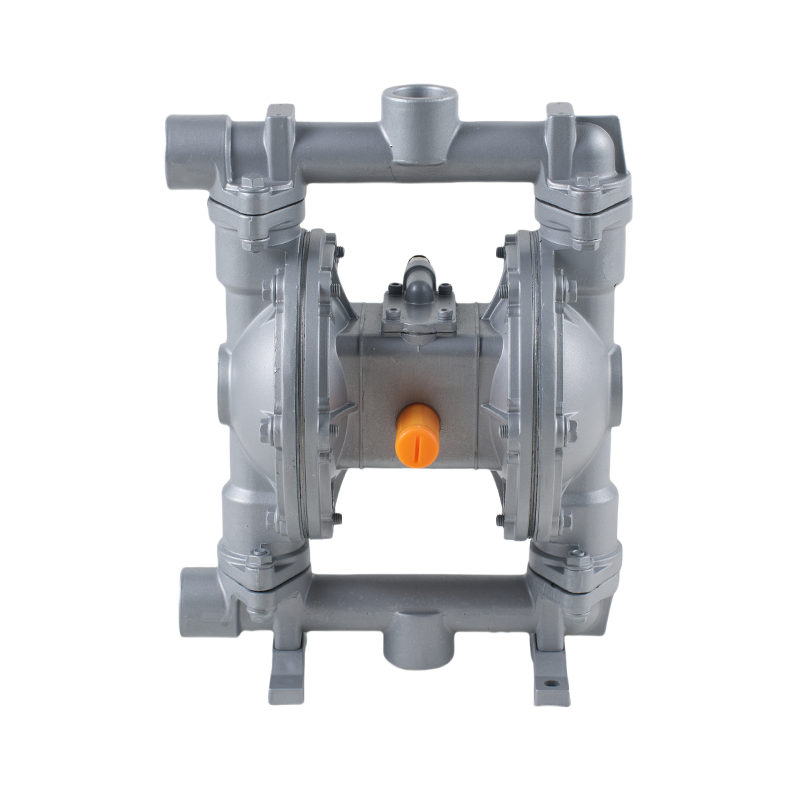
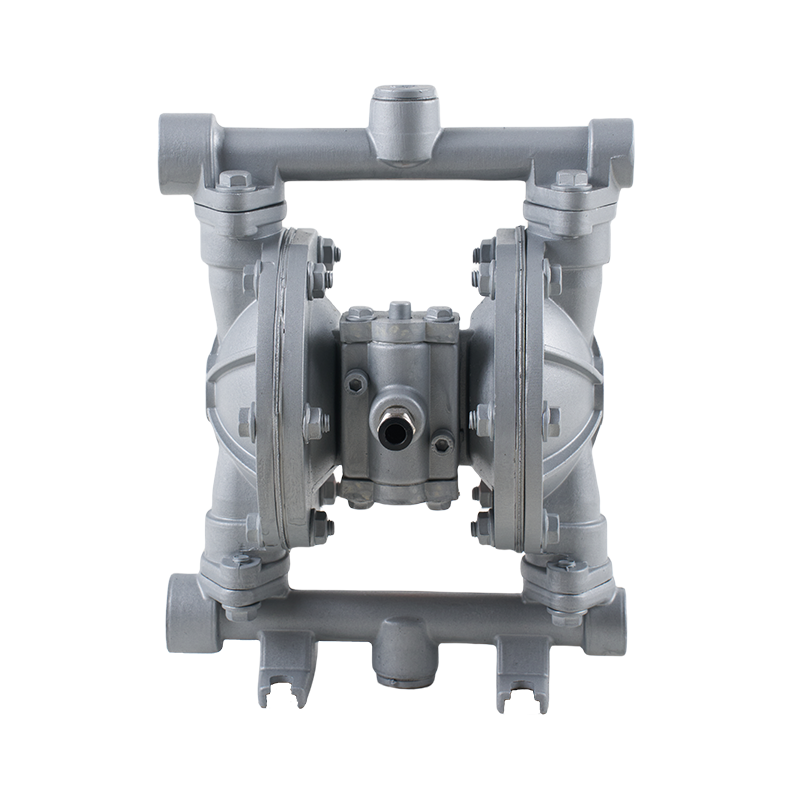
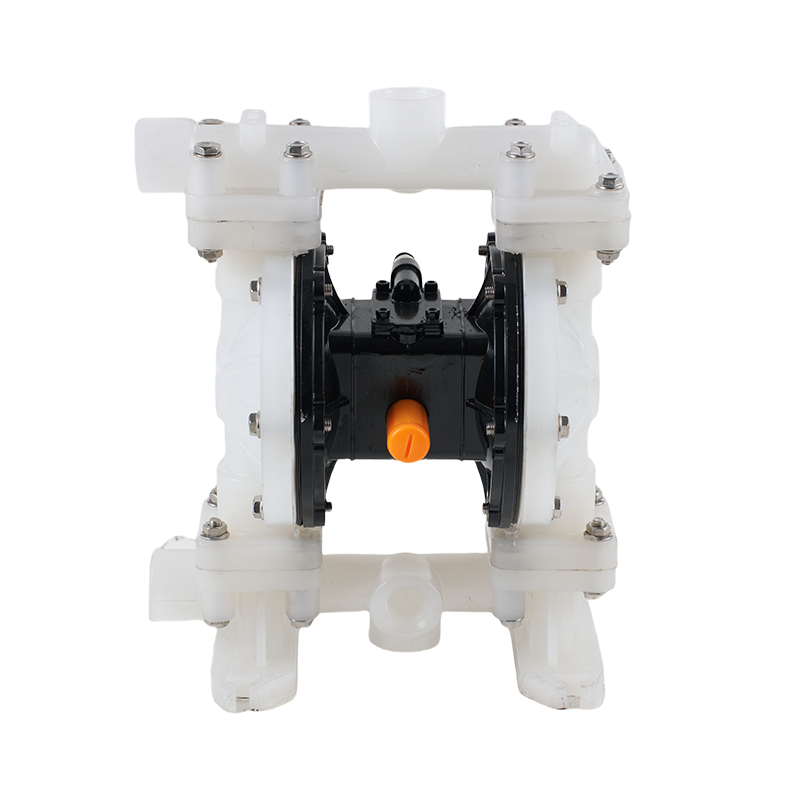

Copyright © Zhejiang Zhanbo Diaphragm Pump Manufacturing Co., Ltd.

OEM/ODM Diaphragm Pump Manufacturer