

 русский
 Español
 عربى
عربى


What Is an Electric Diaphragm Pump and How Does It Work
 2026.08.11
 Industry News
Moving liquids around efficiently is something a lot of industries just can't do without. Whether it's a sprayer out in the field, a cleaning rig, a water system, or some other piece of equipment, there's usually a pump doing the heavy lifting behind the scenes. As machines get built in more flexible ways—and as what people need from them keeps shifting—manufacturers are paying more attention to pump designs that can hold up across different conditions.
Electric diaphragm pumps have found a solid footing in a lot of these setups, mainly because of how they move fluid. Rather than pushing liquid through direct mechanical contact, a flexible diaphragm does the work of creating flow. That approach lets the pump take on a range of transfer jobs without adding much complexity to the overall design.
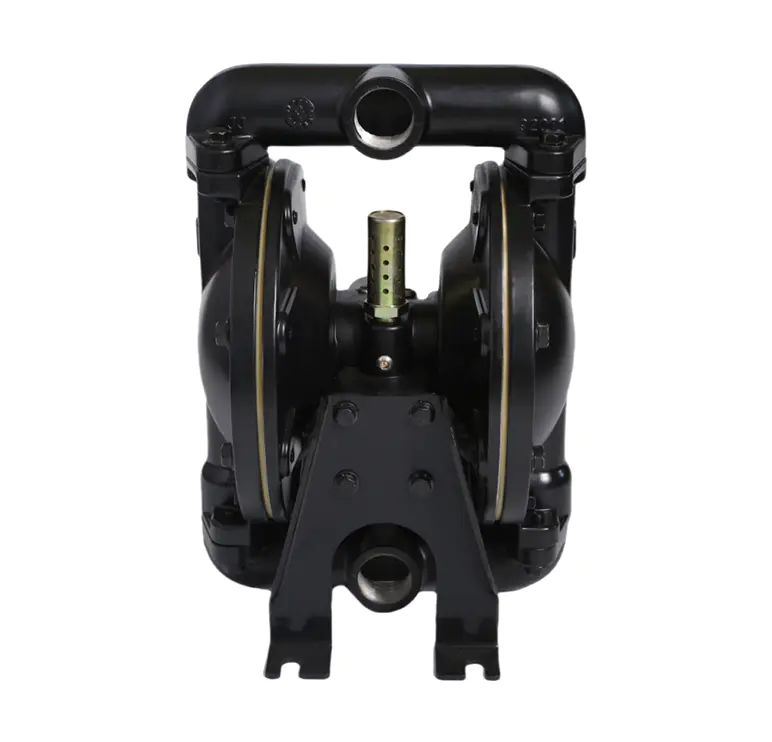
As more industries look for pumps that can adapt to different jobs, this has opened up room for electric diaphragm pump manufacturers to step in. Businesses working in agriculture, industrial machinery, and fluid handling are on the lookout for suppliers who can deliver dependable equipment and back it up with support built for the long haul.
Getting a handle on how these pumps actually work goes a long way when it's time to pick the right one for a specific job.
What Makes an Electric Diaphragm Pump Different From Other Pumps?
An electric diaphragm pump uses electrical power to create a repeated diaphragm movement. This movement pushes liquid through the pump system and allows it to move from one place to another.
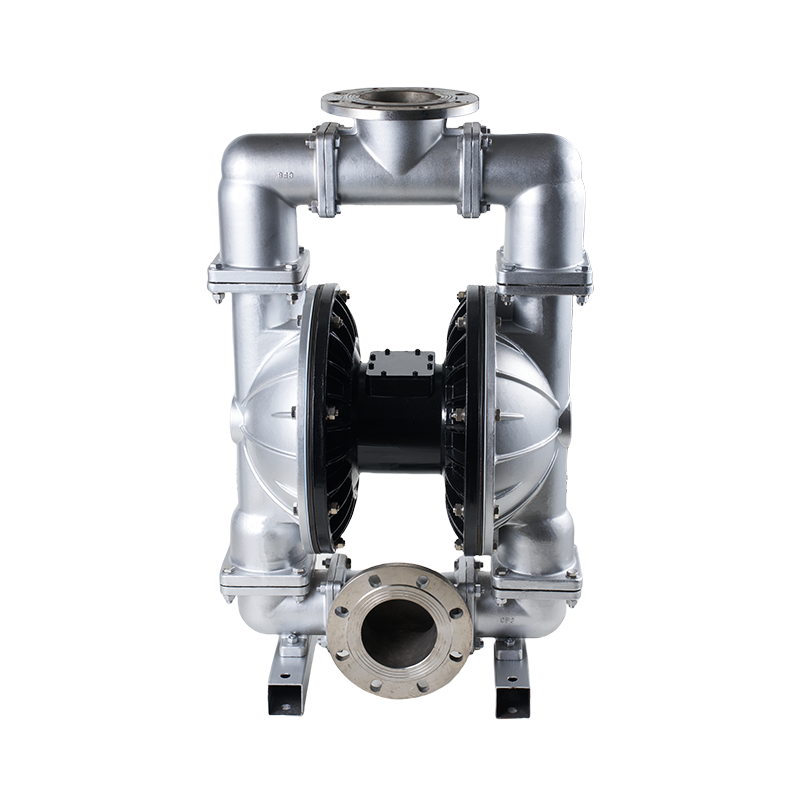
The key part of this pump is the diaphragm. It is a flexible component that moves back and forth inside the pump chamber. During operation, the diaphragm changes the space inside the chamber, creating suction and pressure that help move the liquid.
Unlike some traditional pump designs, the diaphragm separates the liquid area from the main driving components. This structure gives the pump a different working approach compared with pumps that use rotating parts directly inside the liquid path.
A typical electric diaphragm pump includes several main components:
| Component | Purpose |
|---|---|
| Electric motor | Provides the energy needed for operation |
| Diaphragm | Creates movement to transfer liquid |
| Pump chamber | Provides space for liquid flow |
| Valves | Guide liquid movement through the system |
| Housing | Protects internal parts |
Each part has a specific function. When these components work together, the pump can complete the liquid transfer process in a steady way.
How Does an Electric Diaphragm Pump Work?
The working process of an electric diaphragm pump is based on repeated movement. The electric motor provides power, which is converted into mechanical movement that drives the diaphragm.
When the diaphragm moves in one direction, it creates space inside the chamber and allows liquid to enter. When it moves in the opposite direction, the liquid is pushed toward the outlet.
The basic operation can be understood through several stages:
- The electric motor starts working.
- The diaphragm begins moving inside the chamber.
- Liquid enters the pump area.
- The diaphragm pushes the liquid outward.
- The cycle continues during operation.
This process happens continuously while the pump is running. The repeated movement allows the system to maintain liquid transfer.
The simple structure is one reason why electric diaphragm pumps are used in different equipment designs. They can be integrated into many systems where controlled liquid movement is needed.
Why Are Electric Diaphragm Pumps Used in Agricultural Applications?
Agriculture happens to be one of the places where electric diaphragm pumps show up a lot. Field work tends to demand equipment that can keep liquids moving without a hitch, day after day, season after season.
Take spraying systems or irrigation setups—these often rely on diaphragm pumps simply because they keep delivering fluid at a steady rate, no matter how long the equipment runs.
So what actually matters to people working the land? A few things tend to come up again and again:
- Holding up through repeated, everyday use
- Fitting into whatever equipment design is already in place
- Not being a headache to install
- Maintenance that doesn't eat up half the day
Out in the field, a pump doesn't get the luxury of stable, indoor conditions. It gets bounced around during transport, baked in the sun, run for hours at a stretch—and it still has to perform.
That's part of why electric diaphragm pump manufacturers keep these realities in mind when building for agricultural buyers. It's less about engineering a pump in isolation and more about designing something that actually survives the conditions it'll be thrown into.
Where Else Can Electric Diaphragm Pumps Be Applied?
Although agriculture is a common application area, electric diaphragm pumps are also used in many other industries.
Different industries have different reasons for selecting this type of pump.
| Industry | Common Applications |
|---|---|
| Industrial equipment | Fluid circulation and transfer systems |
| Cleaning equipment | Delivery of cleaning liquids |
| Water systems | Water movement and management |
| Chemical-related applications | Controlled liquid handling |
| Mobile equipment | Compact pumping solutions |
In industrial environments, equipment designers often need components that can fit into existing systems without creating complicated installation requirements.
Electric diaphragm pumps can provide flexibility because their structure allows them to be used in different types of machines.
The final application depends on the liquid characteristics, equipment design, and operating conditions.
How Do Electric Diaphragm Pumps Compare With Other Pump Types?
Different pump designs serve different purposes. Choosing the right option depends on the requirements of the specific system.
Electric diaphragm pumps are often compared with other pump types because each design has its own characteristics.
| Comparison Area | Electric Diaphragm Pump | Other Pump Types |
|---|---|---|
| Operating method | Uses diaphragm movement | May use other mechanical methods |
| Liquid contact | Diaphragm separates liquid from drive parts | Depends on design |
| Installation | Suitable for various equipment layouts | Depends on system requirements |
| Application range | Used in many industries | Varies by pump structure |
The decision is usually based on more than one factor. Equipment builders may consider space, maintenance needs, working conditions, and overall system design.
For some applications, an electric diaphragm pump may provide a suitable balance between practical use and system requirements.
How Are Electric Diaphragm Pump Manufacturers Producing These Products?
Putting together an electric diaphragm pump isn't a one-step job. There's a whole sequence behind it—materials have to line up, components need to be sourced, assembly has to happen in the right order, and everything gets checked before it goes anywhere near a customer.
Here's roughly how that process tends to unfold:
Getting the parts ready
Before anything gets assembled, each component has its own prep work. The motor, the diaphragm, the valves, the housing—all of them have to hit certain specs on their own before they're allowed anywhere near final assembly.
Putting it all together
This is where the individual pieces actually become a pump. It's not just snapping parts together, either—how each component fits and connects with the next one matters a lot at this stage, since a loose or mismatched connection now becomes a problem later.
Running it through checks
Once assembled, the pump doesn't just get boxed up. It gets tested to make sure it actually performs the way it's supposed to before it ever leaves the facility.
Packing it up
After everything checks out, the pump gets packaged in a way that can survive transport and sitting in storage without getting damaged along the way.
None of these steps really work in isolation—the finished pump only turns out right if all the pieces cooperate the way they're supposed to. That's why manufacturing something like this takes a fair amount of careful coordination.
Manufacturers who've been doing this a while tend to spend as much energy refining how they build these pumps as they do on the pumps themselves—chasing better processes without letting quality slip in the meantime.
What Should Buyers Consider When Choosing Electric Diaphragm Pump Manufacturers?
For buyers, selecting a supplier is an important part of the purchasing process. A suitable manufacturer should not only provide products but also understand customer requirements.
Several factors may influence supplier selection.
Manufacturing capability
A supplier should have organized production processes and the ability to support different order requirements.
Product quality management
Consistent quality depends on careful control throughout production.
Application understanding
Manufacturers that understand different industries may provide more suitable suggestions based on customer needs.
Communication and support
Clear communication helps avoid misunderstandings during product selection and cooperation.
Supply stability
Long-term projects often require dependable suppliers who can maintain regular product availability.
For distributors and equipment manufacturers, supplier relationships can influence business development. A factory that understands market needs can become a valuable partner.
How Do Manufacturers Maintain Quality During Production?
Quality management is an important part of pump manufacturing. A pump may contain many components, and each part can influence the final performance of the product.
Manufacturers usually pay attention to different stages:
- Material checking
- Component management
- Assembly control
- Finished product inspection
- Packaging protection
A stable production process helps reduce unexpected problems and supports consistent product delivery.
Quality is not created at the final inspection stage alone. It comes from daily production practices, employee experience, and organized management.
For customers, this means evaluating a supplier's production system can be just as important as reviewing the product itself.
How Are Electric Diaphragm Pump Manufacturers Responding to Market Changes?
The pump industry continues to change as users look for equipment that fits more specific applications. Agricultural companies, machinery producers, and industrial users all have different expectations.
Manufacturers are responding by improving product flexibility and paying more attention to practical customer needs.
Current market changes include:
- Greater demand for customized equipment solutions
- More focus on efficient operation
- Increased use of automated machinery
- Stronger interest in reliable supply chains
These changes are influencing how manufacturers design and produce electric diaphragm pumps.
A pump is no longer viewed only as a separate component. In many cases, it is part of a complete equipment system where reliability and compatibility matter.
Electric diaphragm pumps continue to find new applications because their structure allows manufacturers and users to adapt them to different working environments.
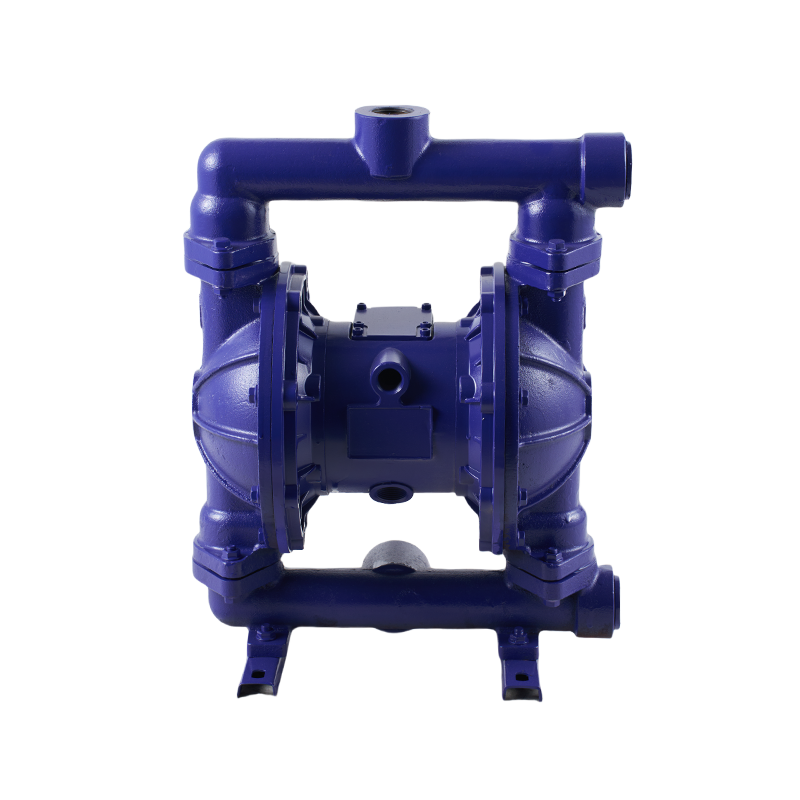
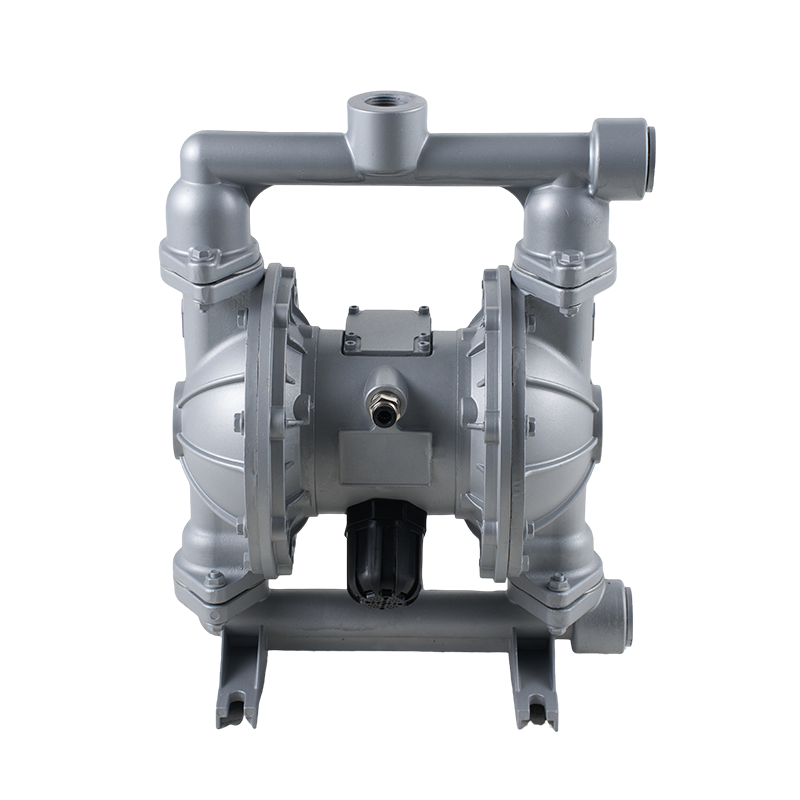
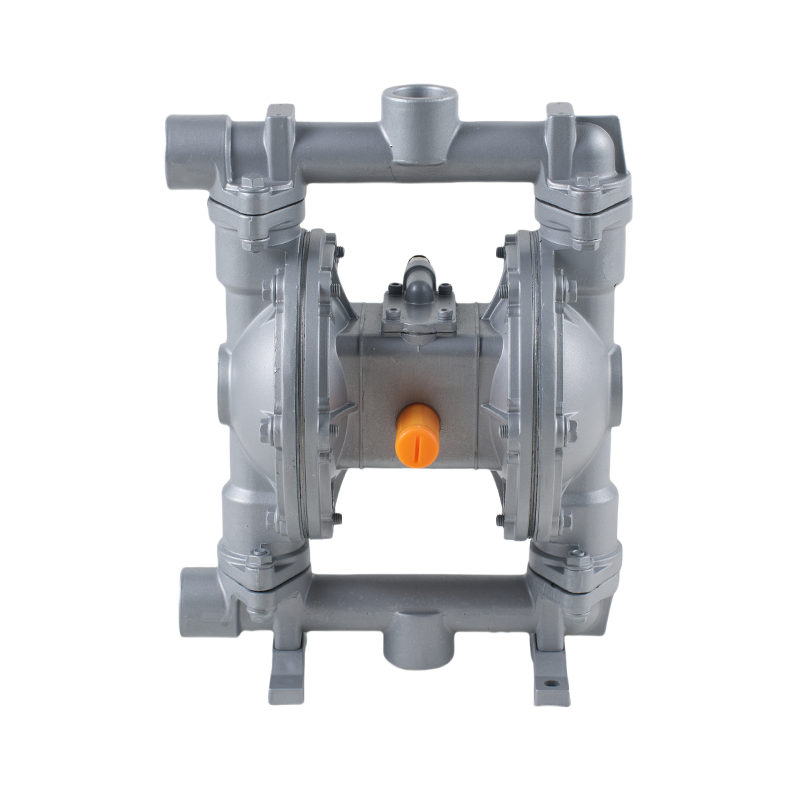
Copyright © Zhejiang Zhanbo Diaphragm Pump Manufacturing Co., Ltd.

OEM/ODM Diaphragm Pump Manufacturer