

 русский
 Español
 عربى
عربى

 Home / Blogs / Industry News / Cast Iron Pneumatic Diaphragm Pump: The Backbone of Heavy-Duty Fluid Transfer
 Cast Iron Pneumatic Diaphragm Pump: The Backbone of Heavy-Duty Fluid Transfer
 2026.07.31
 Industry News
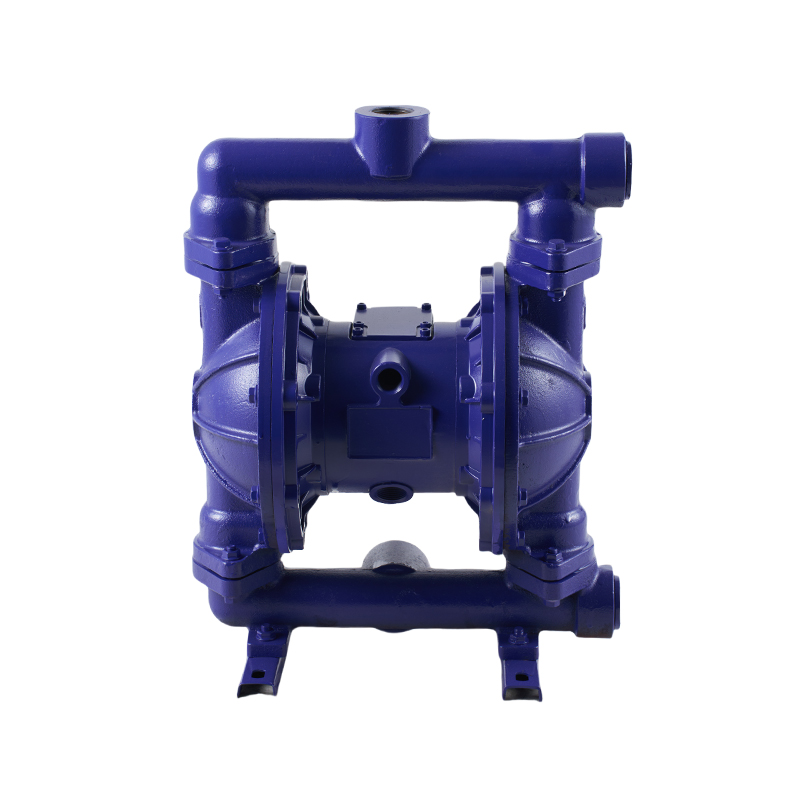
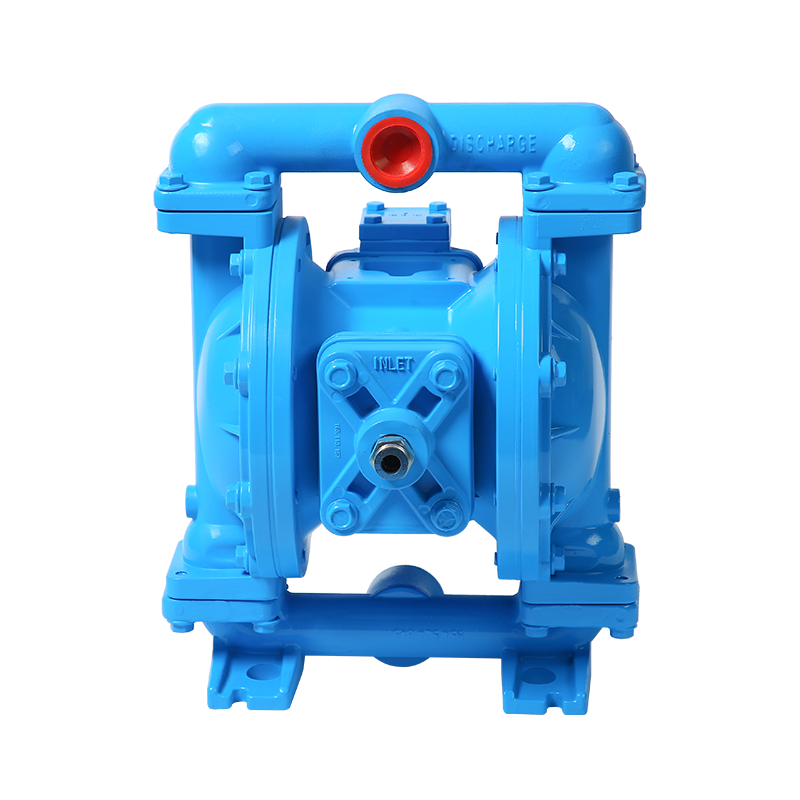
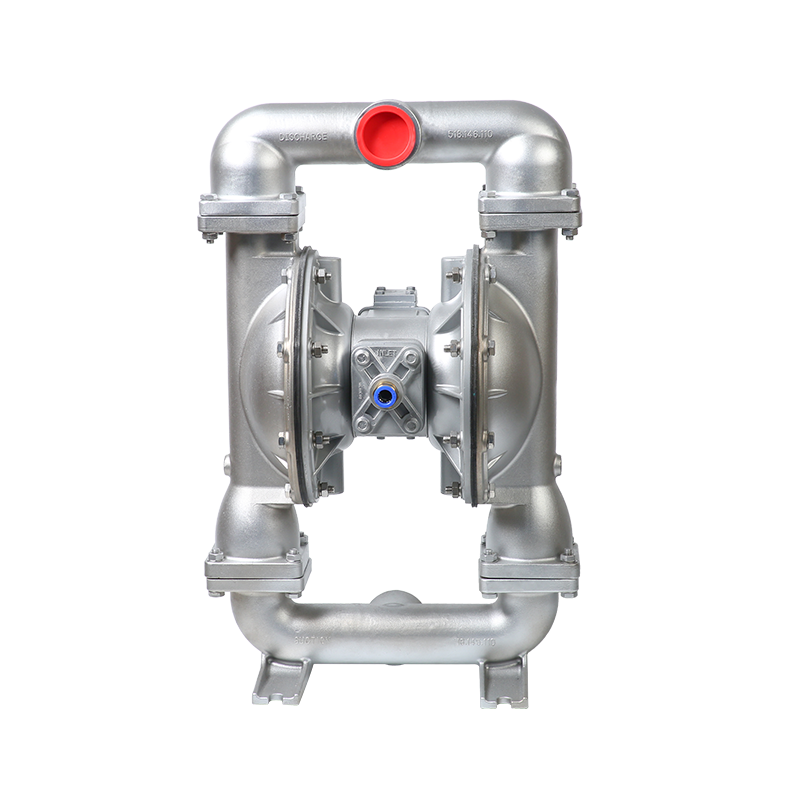
Industrial pumping applications demand durability above all else. Abrasive slurries. Viscous pastes. High-pressure operations. Demanding duty cycles. Without a rugged construction, it is a frequent replacement cycle. A cast iron pneumatic diaphragm pump delivers the strength required for these harsh environments. It provides a rigid housing that withstands mechanical stress. It handles high discharge pressures without deformation. It makes long-term reliability achievable and maintenance intervals longer.
Why Cast Iron Construction Matters for Durability
It provides predominant mechanical strength
Cast iron offers outstanding tensile and compressive strength. A cast iron pneumatic diaphragm pump maintains its structural integrity under high-pressure operation. The housing resists deflection. The internal components remain aligned. The pump delivers consistent performance over extended periods.
It withstands abrasive wear effectively
Slurries and abrasive fluids erode softer materials. A cast iron pneumatic diaphragm pump presents a hard, wear-resistant surface to the fluid stream. The housing does not erode quickly. The internal passages maintain their dimensions. Flow characteristics remain stable.
Design Features That Ensure Robust Performance
The housing is engineered for pressure retention
The casing is thicker than comparable pumps. A cast iron pneumatic diaphragm pump features reinforced bolt bosses and ribbed sections. The design distributes stress evenly. The pump withstands dead-head conditions. It handles pressure spikes without cracking.
The valve system is built for abrasive service
Inlet and outlet check valves are constructed for demanding conditions. A cast iron pneumatic diaphragm pump uses hardened balls or disc valves. The valve seats are replaceable. The pump handles solids-laden fluids without jamming.
Here is what a typical cast iron pneumatic pump offers:
- Housing material: ASTM A48 Class 30 or ductile iron
- Pressure rating: up to 8.6 bar continuous
- Flow range: 20 to 400 litres per minute
- Solids handling: up to 12mm diameter
- Temperature range: -20°C to +95°C
- Air consumption: 0.5 to 3.0 m³/min depending on size
Typical Applications for Cast Iron Pumps
Mining and mineral processing
Ore slurries contain sharp, abrasive particles. A cast iron pneumatic diaphragm pump transfers thickener underflow, tailings, and filter feed. The cast iron housing withstands the abrasion. The pump maintains flow rates despite solids content.
Industrial wastewater treatment
Sludge transfer and lime slurry dosing demand rugged equipment. A cast iron pneumatic diaphragm pump provides the required durability. The housing resists chemical attack from pH-adjusted streams. The pump operates continuously in unattended service.
Construction and civil engineering
Grout, bentonite slurry, and cement mixtures require positive displacement pumping. A cast iron pneumatic diaphragm pump handles these viscous materials. The pump primes reliably. It operates in dusty job site conditions.
Key Factors to Consider When Selecting
The material grade must be specified
A cast iron pneumatic diaphragm pump should identify the iron grade. Ductile iron offers higher impact resistance than grey iron. The grade determines pressure rating and durability. The specification guides maintenance planning.
The coating system must be appropriate
Exterior surfaces require protection from moisture and chemicals. A cast iron pneumatic diaphragm pump should have a suitable paint or epoxy coating. The coating prevents rust. The pump maintains its appearance and structural integrity.
Spare parts must be readily available
Diaphragms, valve balls, and seats are consumable items. A cast iron pneumatic diaphragm pump shares common parts across models. Spares are stocked by the supplier. Downtime is minimised.
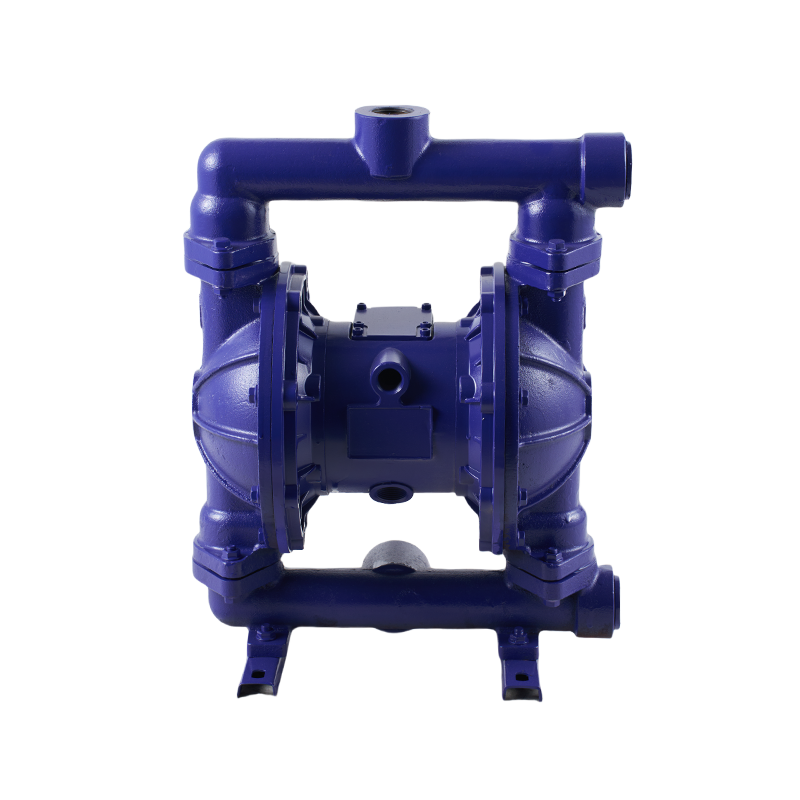
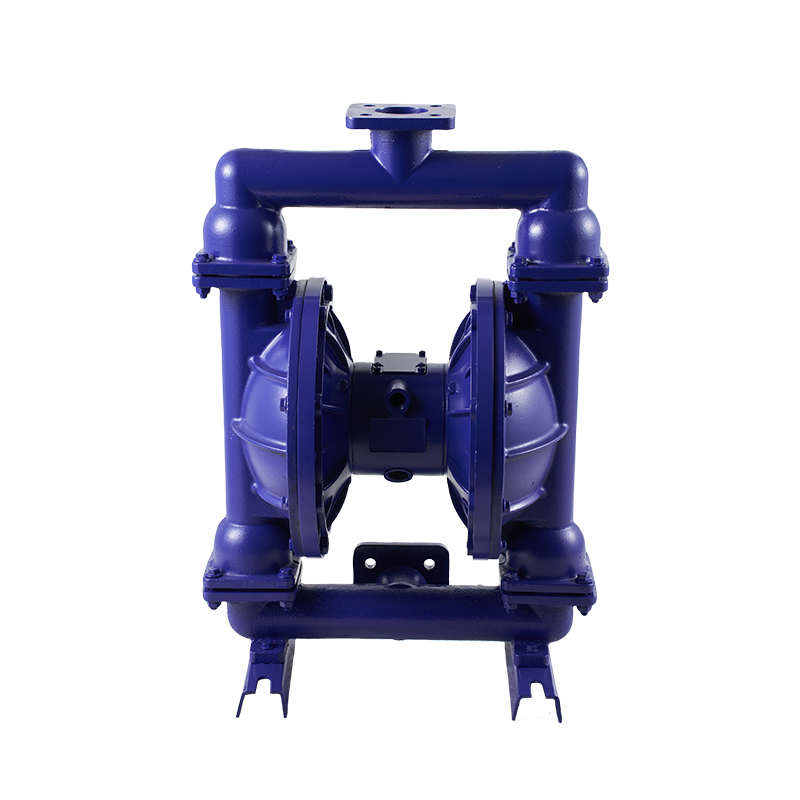
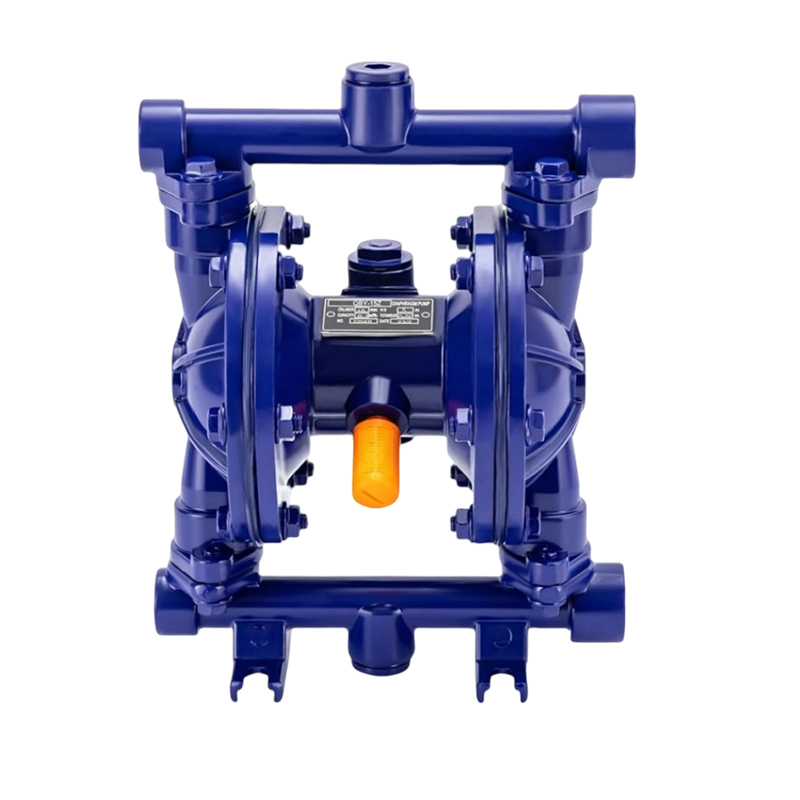
A cast iron pneumatic diaphragm pump is a workhorse for heavy-duty applications. But it determines whether a slurry transfer system operates reliably day after day or suffers frequent breakdowns. Choose a pump with proper iron grade, suitable coating, and easily available spares. Your abrasive fluids will be moved dependably. Your production schedules will be met. That is the purpose of a cast iron pneumatic diaphragm pump. To make heavy-duty fluid transfer strong and lasting.
Copyright © Zhejiang Zhanbo Diaphragm Pump Manufacturing Co., Ltd.

OEM/ODM Diaphragm Pump Manufacturer