

 русский
 Español
 عربى
عربى


Can an Air Diaphragm Pump for Sale Reduce Maintenance Challenges
 2026.08.04
 Industry News
Why are maintenance concerns becoming important when choosing industrial pumps?
In many industrial environments, a pump is not just a piece of equipment. It is part of a larger working process. When a pump stops unexpectedly, the impact can reach other areas of operation. Production schedules may change. Workers may need to spend additional time checking equipment. Maintenance teams may need to respond quickly.
This is why many buyers consider maintenance needs before selecting a pump solution. The initial purchase is only one part of the decision. The daily management experience after installation also matters.
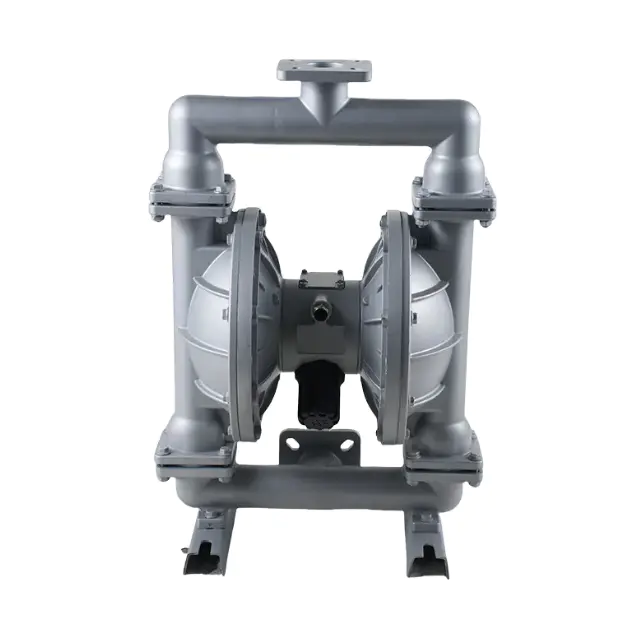
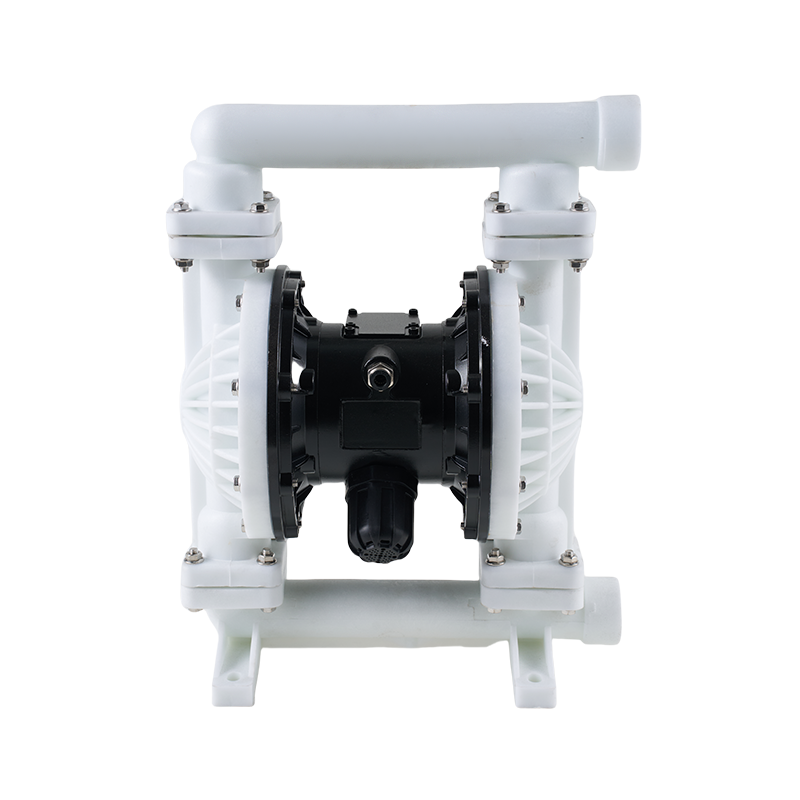
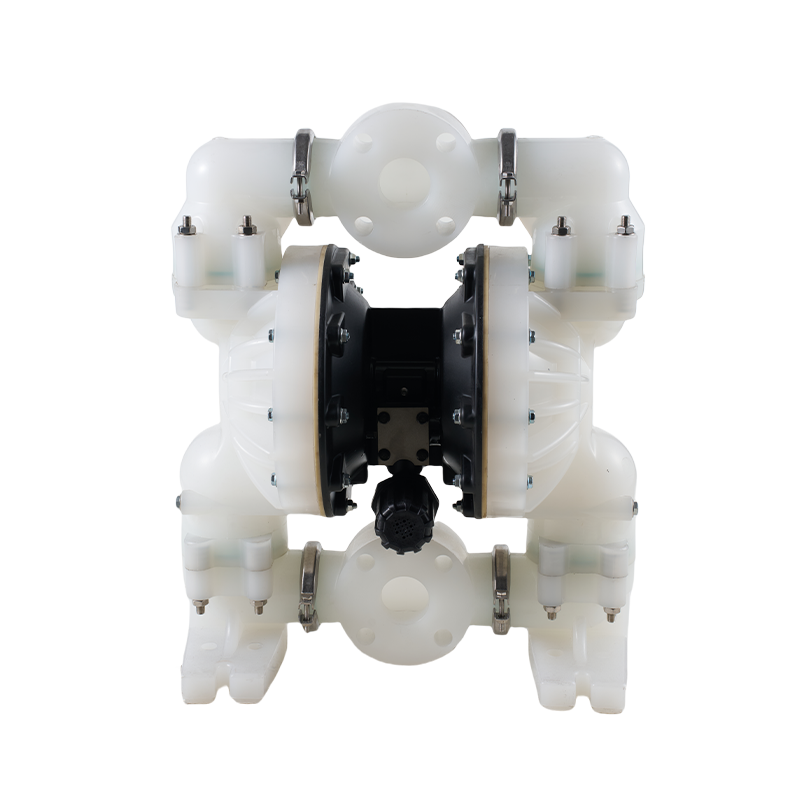
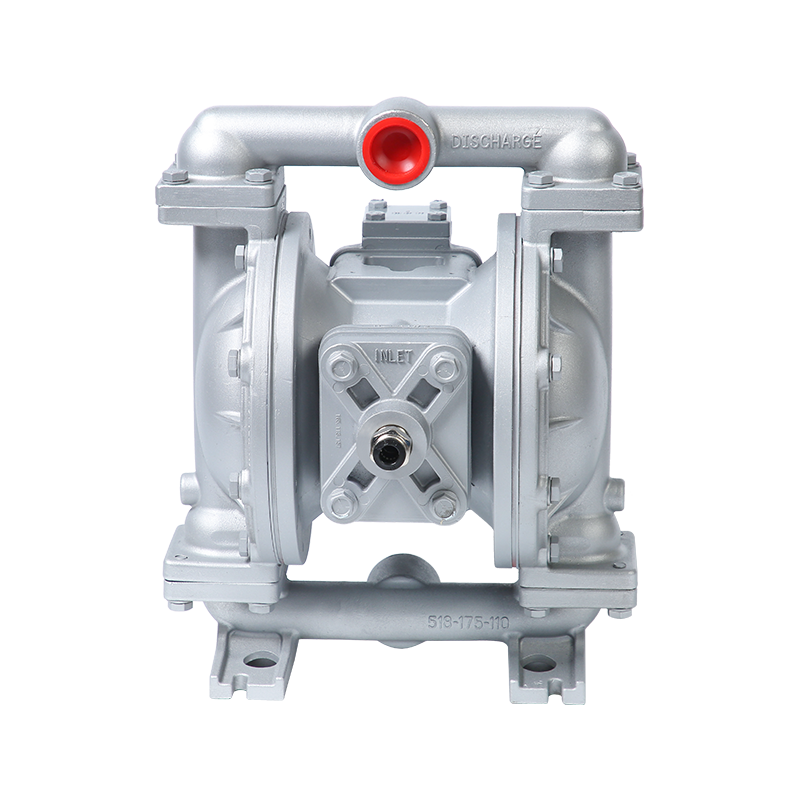
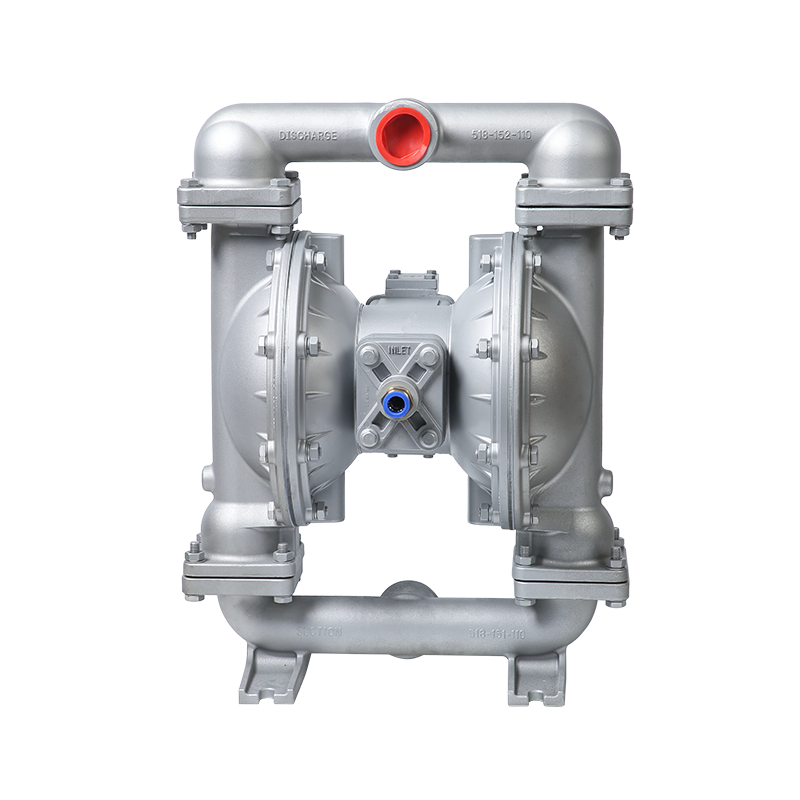
An air diaphragm pump for sale has gained attention among many industries because of its practical structure and flexible operation. Buyers often look at these pumps when they need equipment that can handle different fluid transfer situations while keeping maintenance work manageable.
The relationship between equipment design and maintenance is closely connected. A pump that is easier to inspect, clean, and manage can help companies reduce unnecessary interruptions.
However, maintenance challenges do not disappear completely. Every industrial system requires proper handling and regular attention. The difference comes from how equipment supports daily maintenance tasks.
How does an air diaphragm pump structure influence maintenance work?
The structure of a pump affects how workers interact with it during daily operation. When maintenance teams can understand equipment easily, inspection and servicing become more organized.
An air diaphragm pump uses a design that separates the pumping process from the driving air source. This arrangement can make some maintenance tasks easier because the working parts are organized around a clear operating concept.
For many users, simple equipment structure is valuable. Complex systems may require more time for troubleshooting, especially when different components work together.
Common maintenance-related considerations include:
| Maintenance Area | What Users Usually Consider |
|---|---|
| Inspection | Whether important parts are easy to check |
| Cleaning | How convenient routine cleaning can be |
| Replacement | Whether worn parts can be managed efficiently |
| Operation checks | Whether unusual conditions can be noticed quickly |
A practical pump design does not only influence performance. It also affects how workers plan their daily responsibilities.
In busy industrial environments, maintenance teams often manage multiple types of equipment. A pump that fits into existing maintenance routines can help reduce management pressure.
Can air diaphragm pumps help reduce unexpected equipment problems?
Unexpected equipment issues are honestly one of the bigger concerns for anyone working in an industrial setting. A pump suddenly acting up can interrupt material movement and dump a bunch of extra work on operators who now have to scramble to figure out what's wrong.
Air diaphragm pumps tend to get considered in situations where operational flexibility really matters. The way they work lets them handle a pretty wide range of fluid transfer tasks across all sorts of industries.
One big reason buyers lean toward these pumps is how well they hold up under demanding working conditions. Industries dealing with a variety of materials often want equipment that can actually adapt when requirements shift, rather than something rigid that only works in one narrow setup.
Maintenance challenges tend to come from a handful of common sources:
- Inspection processes that are just difficult to carry out
- Needing frequent operational adjustments
- Repair procedures that get complicated fast
- Limited access to replacement parts when something breaks
A pump that's easier to monitor really helps teams catch potential issues before they snowball into something bigger.
Take operators who know their equipment's normal behavior well, for example — they'll often pick up on subtle changes in sound, movement, or general operation almost right away. Catching that early can be the difference between a quick fix and a much bigger maintenance headache down the line.
The goal here isn't really to eliminate maintenance altogether, though — that's probably not realistic. It's more about making the whole maintenance experience feel a lot more predictable.
What industries commonly consider air diaphragm pumps for sale?
Different industries have different reasons for selecting pumping equipment. The choice often depends on the materials being moved, the working environment, and the expectations of the operation team.
Air diaphragm pumps are commonly considered in industries where flexible fluid handling is important.
Typical application areas include:
| Industry | Reason for Interest |
|---|---|
| Chemical processing | Managing different types of fluids |
| Food production | Supporting organized material transfer |
| Manufacturing | Moving production-related liquids |
| Water treatment | Handling fluid movement needs |
| Industrial cleaning | Supporting various cleaning processes |
Each industry may approach maintenance differently. A factory environment may focus on reducing production interruptions. A processing facility may pay more attention to cleaning and material compatibility.
This difference shows why equipment selection requires more than looking at basic product information. Buyers need to consider how the pump fits into their actual working environment.
How does simple operation affect long-term pump management?
Daily operation has a direct relationship with maintenance workload. Equipment that employees understand well is often easier to manage.
An air diaphragm pump is valued by many users because its operating concept is relatively straightforward. Operators can learn routine checks and identify changes through regular experience.
Simple operation can influence several areas:
Training
When equipment operation is easier to understand, new employees may become familiar with daily tasks more quickly.
Inspection routines
Clear operating habits allow workers to develop regular checking practices.
Communication
When operators and maintenance teams share a common understanding of equipment behavior, problem reporting becomes easier.
In industrial environments, small communication gaps can create unnecessary delays. Operators may notice an unusual situation but hesitate to report it if they are unsure whether it matters.
A clear equipment management process encourages faster communication between different teams.
Can an air diaphragm pump reduce cleaning and servicing difficulties?
Cleaning ends up being a pretty important part of maintenance across a lot of industries. Equipment that handles different fluids often needs regular attention just to keep running stable over time.
For certain applications, air diaphragm pumps actually offer some real practical advantages here, mainly because their design makes it easier to get in and access things during maintenance.
Industries working with a variety of materials tend to think pretty carefully about how easily equipment can be cleaned between runs.
Maintenance teams usually end up focusing on things like:
- Cutting down on unnecessary downtime
- Keeping equipment areas organized and tidy
- Sticking to regular cleaning routines
- Managing replacement needs before they become urgent
That said, the actual maintenance experience really depends on the application environment and how the pump gets used day to day. Good operation habits still matter a lot here — no pump design can fully make up for that.
A solid maintenance plan really comes down to combining the equipment's features with good workplace practices. Even a well-designed pump still needs attention from the operators and technicians running it.
What should buyers consider before choosing an air diaphragm pump for sale?
Selecting a pump involves more than comparing product availability. Buyers need to think about their actual working conditions.
A suitable choice often depends on several factors.
Working environment
Different locations have different requirements. Temperature, space, materials, and operating conditions can influence equipment selection.
Maintenance planning
Buyers should consider how the pump will fit into existing maintenance routines. Easy inspection and clear management processes can support long-term use.
Supplier communication
A reliable supplier relationship can make purchasing and after-sales communication smoother.
Application needs
The same type of pump may perform differently depending on where it is used. Understanding the application helps buyers make more suitable decisions.
Many purchasing teams now pay attention to the full ownership experience. They are not only asking whether equipment can operate. They are also considering how it will be managed after installation.
How are air diaphragm pumps changing the way companies approach maintenance?
Industrial equipment management continues to evolve. Companies are paying more attention to reducing unnecessary maintenance pressure while keeping operations stable.
The role of pumps has also changed. They are no longer viewed only as individual machines. They are part of a complete production or processing system.
An air diaphragm pump for sale represents one option for businesses looking for flexible fluid transfer solutions. Its value is connected not only to operation but also to how easily teams can manage daily tasks.
Maintenance teams often prefer equipment that supports practical working habits. Clear inspection steps, organized servicing processes, and predictable operation can all influence overall equipment management.
As industries continue to improve their workflows, maintenance-friendly equipment will remain an important consideration. The future of industrial pumping is not only about moving fluids. It is also about creating smoother connections between equipment, workers, and daily operations.

Copyright © Zhejiang Zhanbo Diaphragm Pump Manufacturing Co., Ltd.

OEM/ODM Diaphragm Pump Manufacturer