

 русский
 Español
 عربى
عربى

 Home / Blogs / Industry News / China Aluminum Alloy Pneumatic Diaphragm Pump Manufacturer: The Pump That Moves Fluid on Air Alone
 China Aluminum Alloy Pneumatic Diaphragm Pump Manufacturer: The Pump That Moves Fluid on Air Alone
 2026.10.09
 Industry News
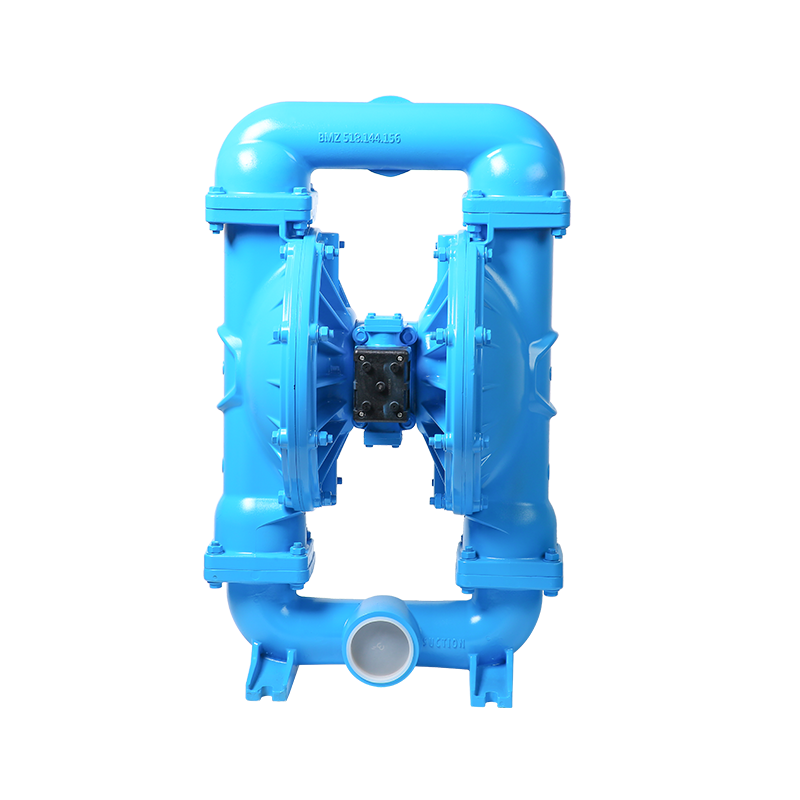
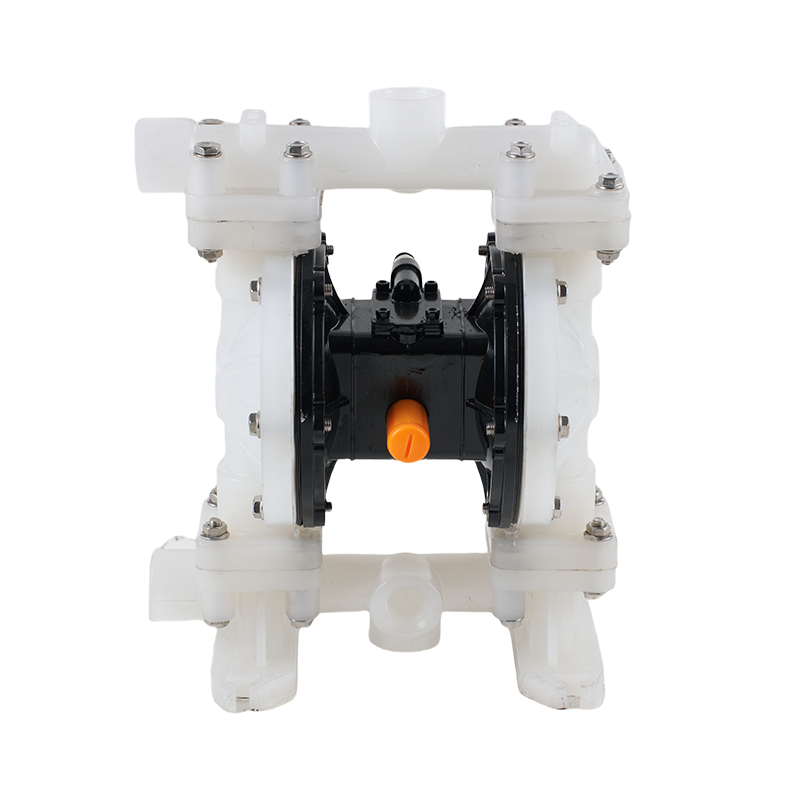
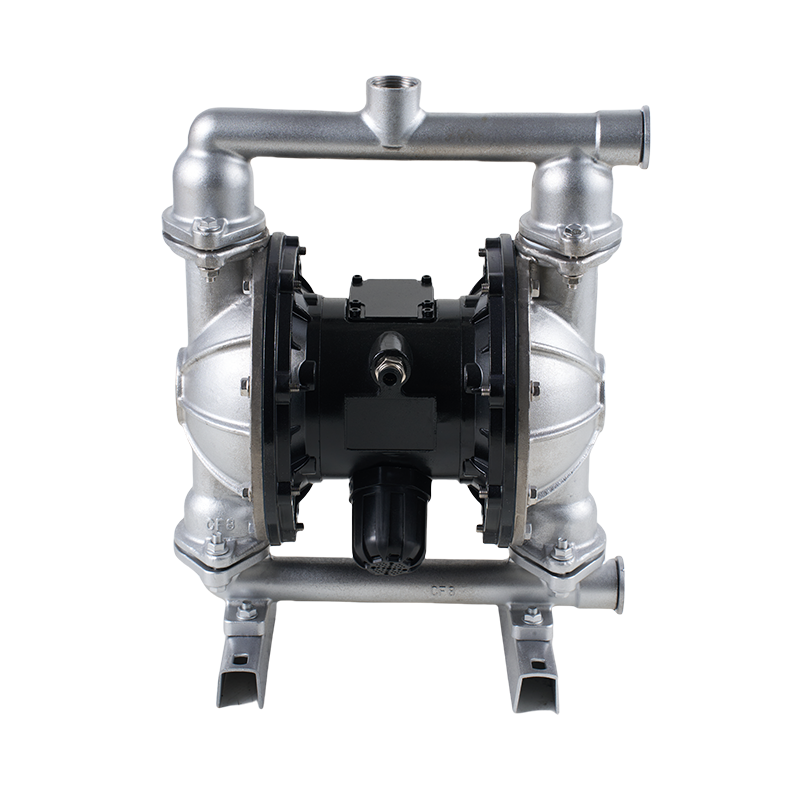
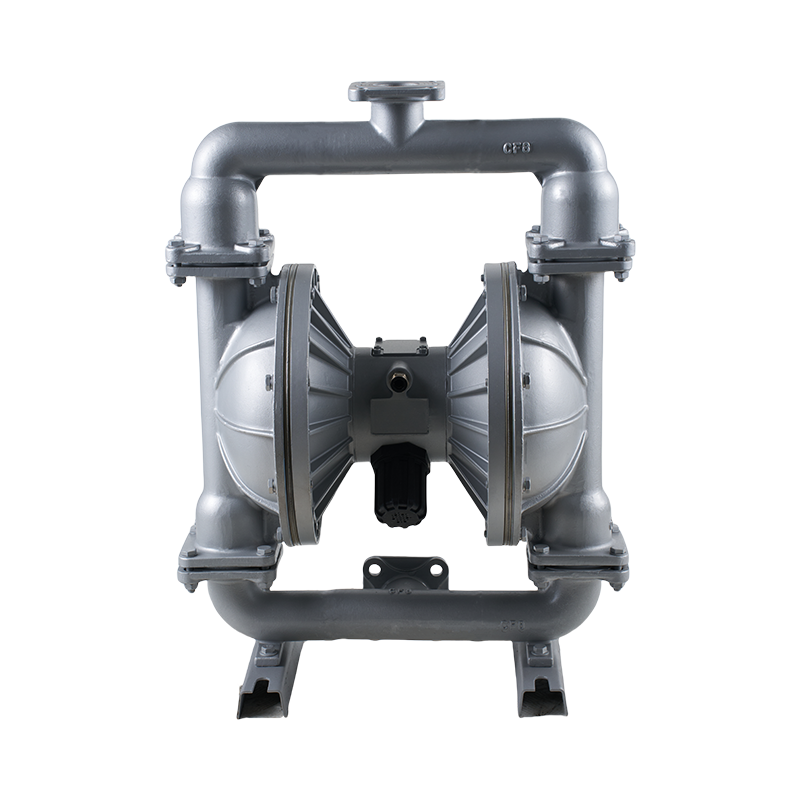
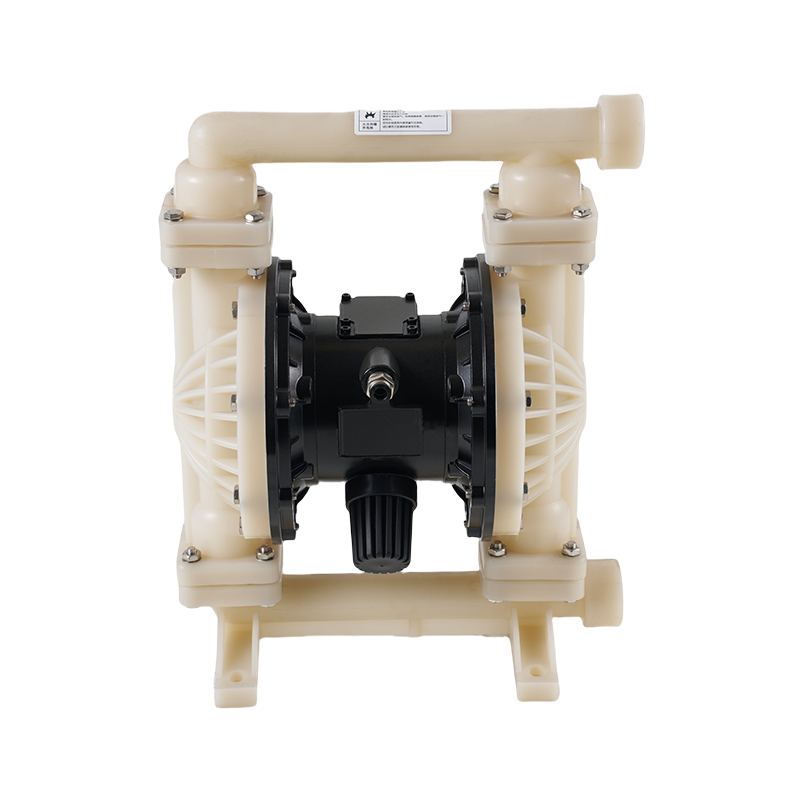
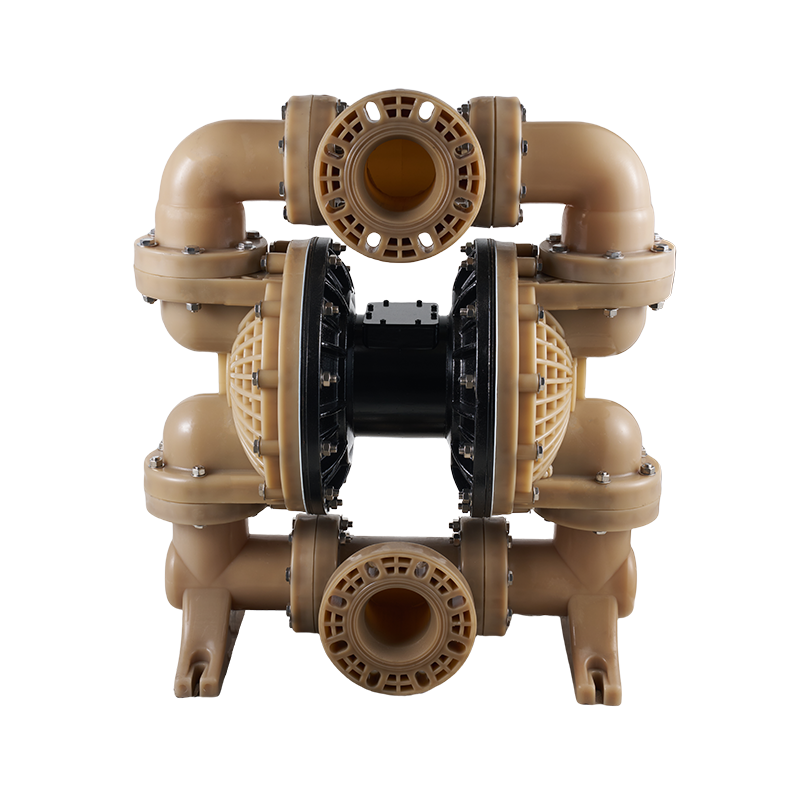
A pneumatic diaphragm pump moves fluid with compressed air and two flexible diaphragms. No motor, no electricity at the pump, no shaft seal to leak. The aluminum alloy version keeps the weight down and the cost competitive, which is why it dominates the general industrial market. A China aluminum alloy pneumatic diaphragm pump manufacturer builds these pumps for chemical transfer, wastewater, and general fluid handling. The pump is simple in principle and demanding in execution. The air valve has to shift reliably, the diaphragms have to flex millions of times, and the castings have to hold pressure without leaking.
Why Aluminum Alloy
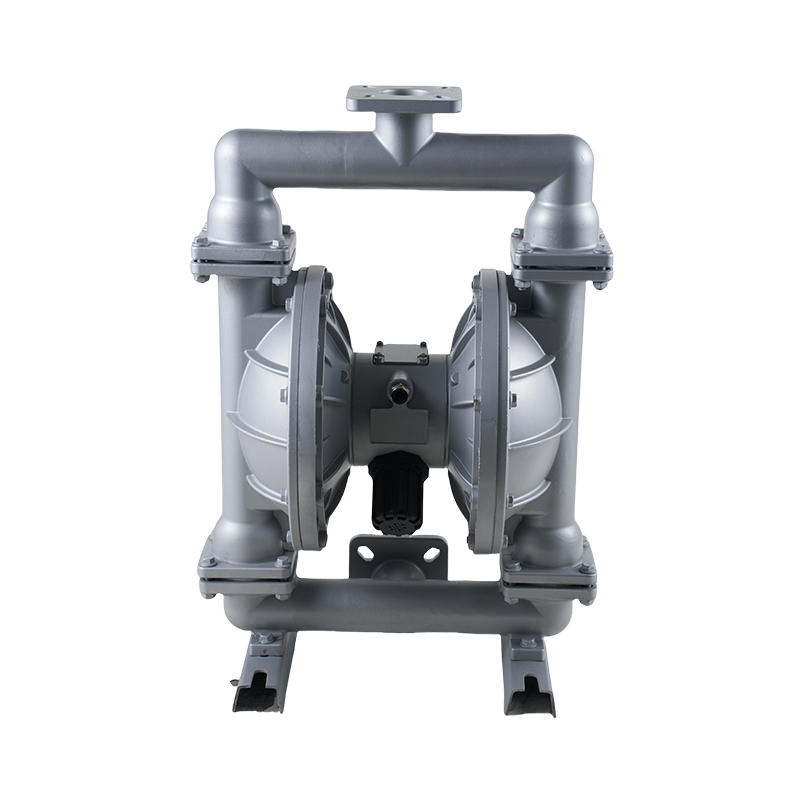
The pump body, the manifolds, and the air chamber are cast aluminum. Aluminum is light, machines fast, and costs less than stainless. It handles water, most neutral fluids, and many mild chemicals. It does not handle aggressive acids or caustics, which is where stainless or polypropylene takes over.
A China aluminum alloy pneumatic diaphragm pump manufacturer casts the body from a controlled alloy and machines the sealing surfaces flat. The casting has to be sound. Porosity in the aluminum becomes a leak path under pressure. A foundry that degasses the melt and pressure-tests the castings produces bodies that hold.
The weight matters for portability. An aluminum pump moves from job to job. A stainless pump of the same capacity weighs more and costs several times more. For general transfer work, aluminum is the practical choice.
The Air Valve Is the Heart
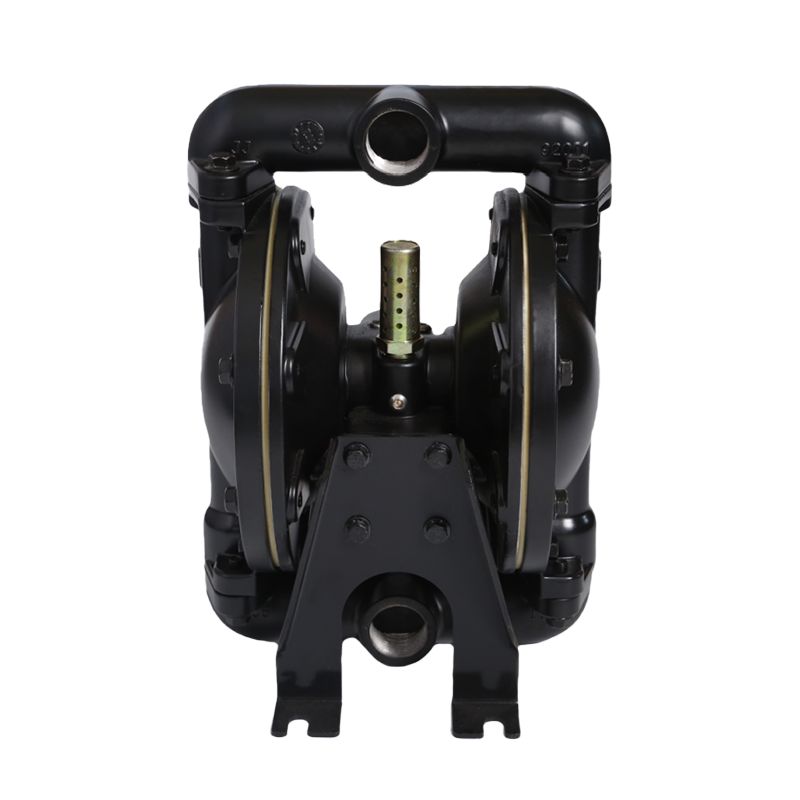
The air valve shifts the compressed air from one diaphragm chamber to the other, creating the back-and-forth pumping action. It is the part that moves most often and the part that fails first if it is poorly designed.
A China aluminum alloy pneumatic diaphragm pump manufacturer builds the air valve to shift without lubrication. Lubricated air valves require an oiler on the air line, and most plants do not have one. An unlubricated valve that shifts reliably is the standard the market expects.
The valve has to resist moisture and dirt in the compressed air. A valve that sticks stops the pump. A manufacturer that tests the valve through thousands of cycles before shipping the pump understands where the wear happens.
The Diaphragms and the Check Valves
The diaphragms are the flexing parts. They are made of neoprene, EPDM, PTFE, or Santoprene, matched to the fluid. The diaphragms flex millions of times over the life of the pump. A manufacturer that sources quality diaphragms and seats them properly produces a pump that runs until the diaphragms wear out, then gets rebuilt.
The check valves control the flow direction. Ball valves or flap valves sit at the inlet and outlet of each chamber. A worn check valve leaks and the pump output drops. A China aluminum alloy pneumatic diaphragm pump manufacturer that machines the valve seats and uses quality balls or flaps keeps the pump efficient.
Here is what a China aluminum alloy pneumatic diaphragm pump manufacturer needs to deliver:
- Sound aluminum castings with pressure testing
- Air valve that shifts without lubrication
- Diaphragms matched to the fluid
- Check valves that seat and seal
- Ability to run dry without damage
- Ability to run against a closed discharge
Where the Pump Works
Chemical transfer uses the pump for acids, solvents, and slurries where the diaphragm material is matched to the fluid. Wastewater treatment uses it for sludge and filter press feed. Mining uses it for dewatering and slurry transfer. Food processing uses it for sauces and viscous products.
What Fails When the Air Valve Sticks
The pump stops mid-transfer because the air valve stuck. A valve that was tested through thousands of cycles before shipping does not stick. The diaphragm ruptures because the fluid was wrong for the material. Matching the diaphragm to the fluid prevents it. The casting leaks because the porosity was not caught. Pressure testing the castings catches it.
A China aluminum alloy pneumatic diaphragm pump manufacturer builds a pump that runs on air, moves the fluid, and keeps moving it. The air valve shifts. The diaphragms flex. The castings hold. Choose a manufacturer that tests the valve and pressure-tests the body. The pump will run dry and against a closed valve without destroying itself.
Copyright © Zhejiang Zhanbo Diaphragm Pump Manufacturing Co., Ltd.

OEM/ODM Diaphragm Pump Manufacturer