

 русский
 Español
 عربى


 Home / Blogs / Industry News / China Diaphragm Pump Factory: Demand Steady for Air-Operated Fluid Transfer
China Diaphragm Pump Factory: Demand Steady for Air-Operated Fluid Transfer
 2026.11.06
 Industry News
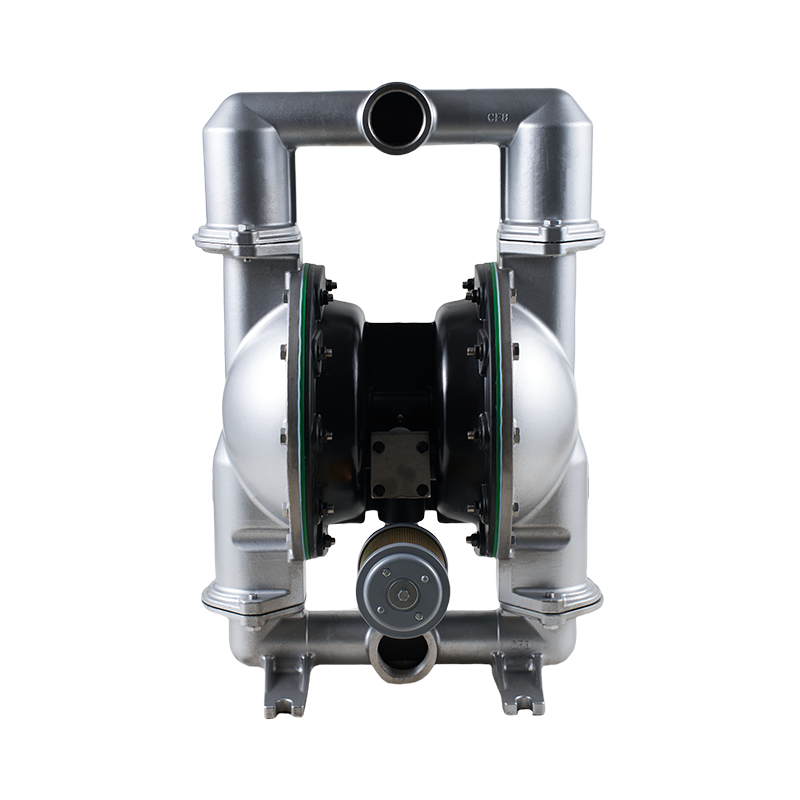
China diaphragm pump factories are seeing steady demand from chemical processing, wastewater treatment, and mining sectors. The pumps use compressed air to drive a flexible diaphragm, moving fluid without seals or rotating parts. They handle abrasive slurries, corrosive chemicals, and viscous fluids that would damage centrifugal pumps. Manufacturers report stable order volumes from both domestic buyers and export markets.
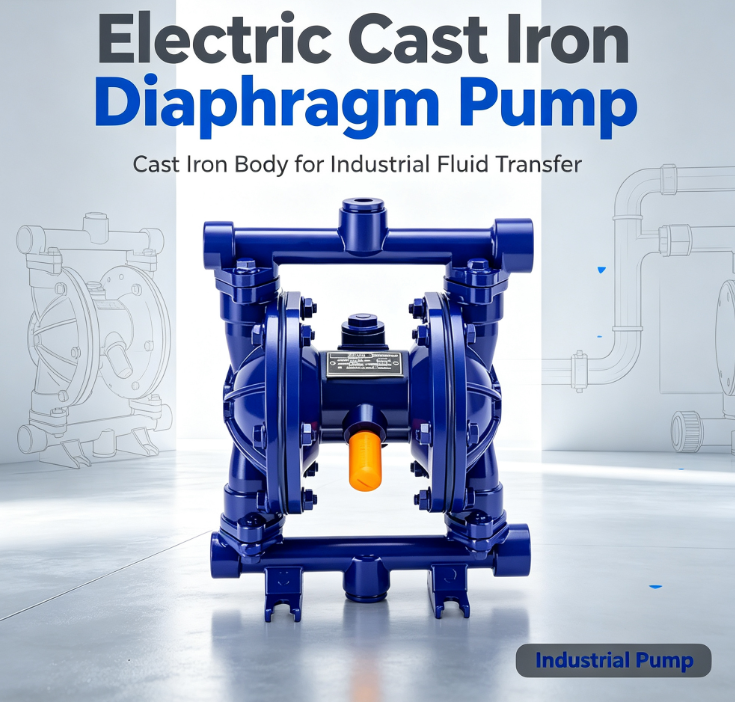
The Pump Design Eliminates Seals and Shafts
Air pressure flexes the diaphragm to move fluid
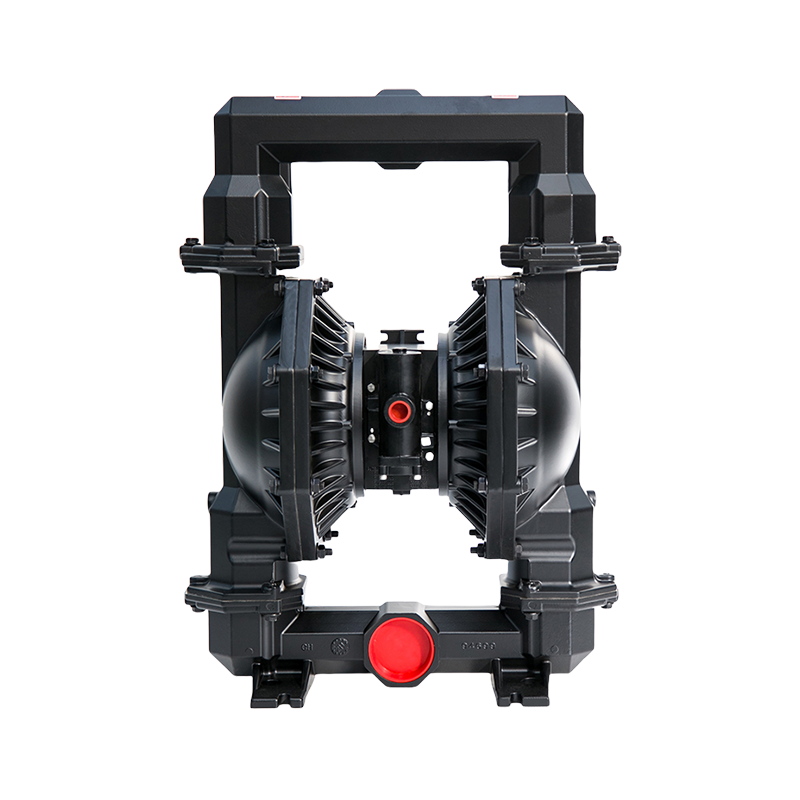
A China diaphragm pump factory produces pumps that use air pressure to flex a diaphragm. The diaphragm moves fluid through the pump body. There is no rotating shaft and no mechanical seal. The fluid stays inside the diaphragm chamber, so leaks are limited to the diaphragm itself. When a diaphragm fails, the pump stops moving fluid, but the fluid does not escape into the surrounding area. That matters when the fluid is corrosive or hazardous. Centrifugal pumps overheat when they run dry. A China diaphragm pump factory produces pumps that tolerate dry running. The diaphragm and valves continue to function without fluid. This makes the pump suitable for intermittent flow and priming applications.
Wide flow paths pass solids without clogging
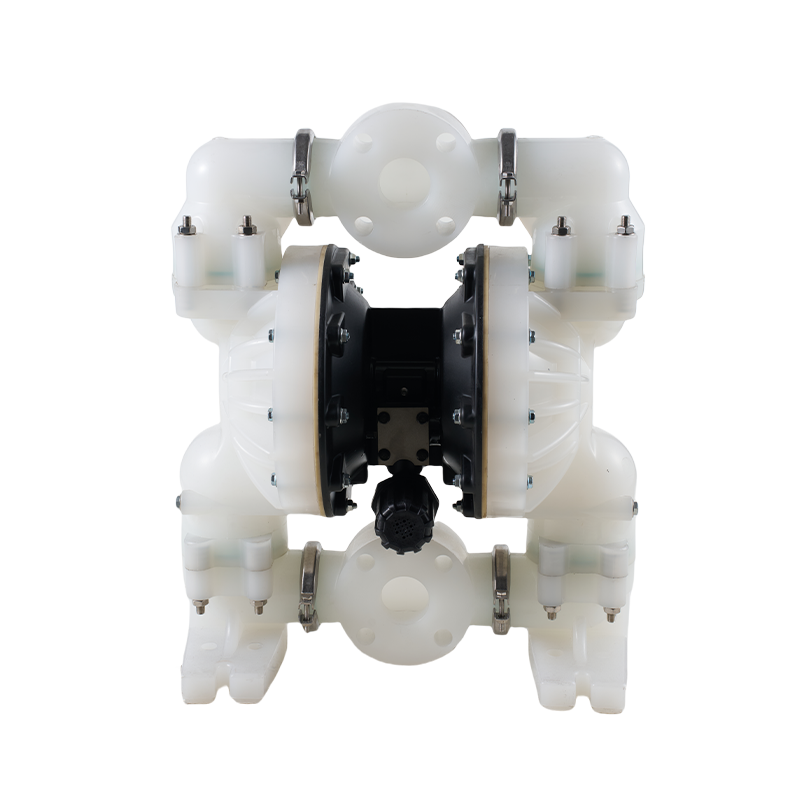
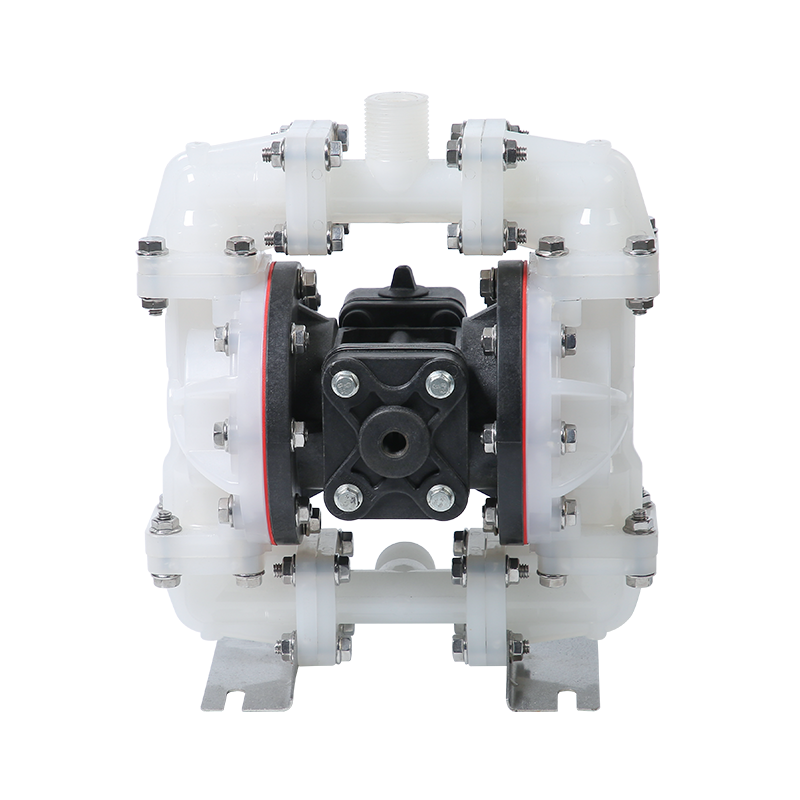
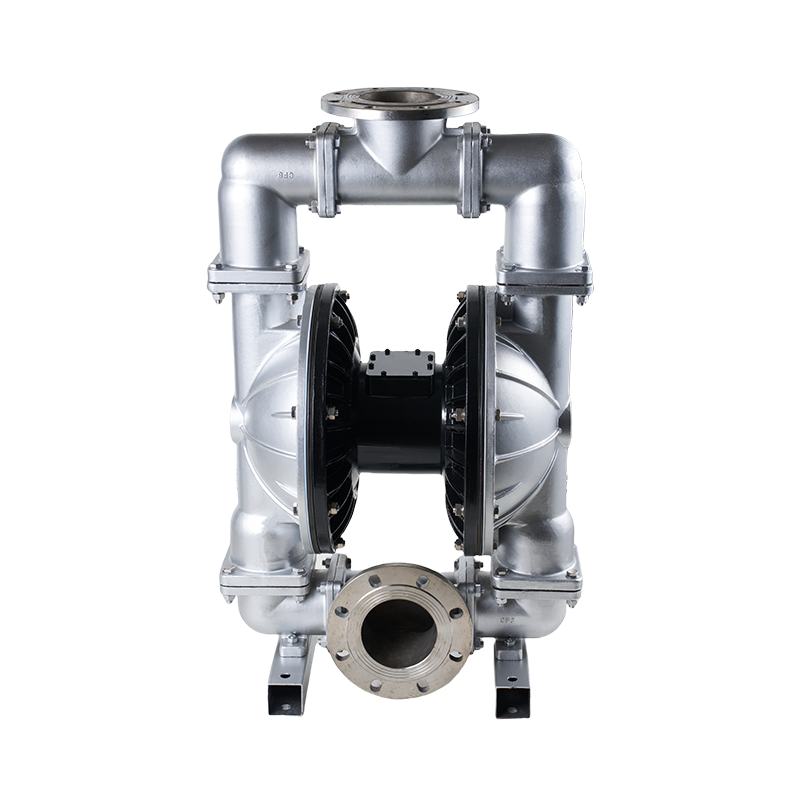
The flow path is wide and the valves are designed for solids. A China diaphragm pump factory produces pumps that pass particles without clogging. Mining slurries, wastewater sludge, and chemical suspensions move through the pump without blocking. The valves are often ball or flap type, designed to open wide and let solids pass through. The pump body is selected based on the fluid: polypropylene for mild chemicals, PTFE or PVDF for strong acids, stainless steel for sanitary applications. The diaphragm is the wear part, and it is designed to be replaced quickly.
Common specs for diaphragm pumps:
- Flow rate: 5L/min to 400L/min
- Pressure: up to 8 bar
- Materials: aluminum, cast iron, stainless steel, polypropylene, PTFE
- Diaphragm materials: NBR, EPDM, PTFE, Neoprene
- Drive: pneumatic or electric
- Connections: threaded, flanged, sanitary
Chemical Processing and Wastewater Drive Demand
Aggressive fluids require compatible pump materials
Chemical plants need pumps for acids, caustics, and solvents. A China diaphragm pump factory supplies pumps with PTFE diaphragms and polypropylene bodies. The pump materials resist chemical attack. For strong acids, PTFE or PVDF is used. For mild chemicals, polypropylene is sufficient. Wastewater treatment plants need pumps for sludge and treatment chemicals. Sludge is abrasive and treatment chemicals are corrosive. A China diaphragm pump factory produces pumps that handle both. The pumps move sludge, dose chemicals, and transfer effluent. They are often installed outdoors, so the housing and seals must resist moisture.
Sanitary and mining applications need specialized designs
Mining operations need pumps for abrasive slurries. A China diaphragm pump factory supplies heavy-duty pumps with wear-resistant materials. The pump handles the abrasive solids without failing. Maintenance intervals depend on the solids content and the abrasiveness of the slurry. Food and beverage plants need sanitary pumps. A China diaphragm pump factory provides stainless steel pumps with hygienic design. The pump surfaces are smooth, and the connections are sanitary clamp fittings that can be disassembled for cleaning.
Buyers Focus on Material Compatibility, Diaphragm Life, and Air Consumption
The compatibility chart is the first document to request
Material compatibility must match the fluid. The pump materials contact the fluid. A China diaphragm pump factory provides compatibility charts. The buyer selects the material based on the fluid and operating temperature. A pump that is compatible with water may fail with a solvent. The compatibility chart is the first document the buyer should request.
Diaphragm life and air consumption affect operating cost
Diaphragms wear out over time. A China diaphragm pump factory offers diaphragm materials that last longer in specific fluids. PTFE lasts longer in aggressive chemicals. EPDM works well in water-based fluids. NBR is suitable for oils and hydrocarbons. Air consumption affects operating cost. The pump uses compressed air. A China diaphragm pump factory specifies air consumption for each model. Lower air consumption means lower operating cost.
China Diaphragm Pump Factories Serve Export Markets
Certification and custom configuration are part of the offering
Export markets need certified products. A China diaphragm pump factory provides pumps with CE, ISO, and other certifications. The certifications confirm compliance with local regulations. Custom configurations are available. The buyer specifies connections, materials, and control options. The factory builds the pump to the specification.
Volume production keeps costs competitive
China factories produce at scale. A China diaphragm pump factory supplies pumps at competitive prices without sacrificing quality. The factory's production volume keeps unit costs low.
Copyright © Zhejiang Zhanbo Diaphragm Pump Manufacturing Co., Ltd.

OEM/ODM Diaphragm Pump Manufacturer