

 русский
 Español
 عربى



Diaphragm Pump Spare Kits: Which Version Are You Actually Buying?
 2026.11.06
 Industry News
A pump model number is a useful starting point for a spare-parts order. It is rarely a complete description of every component inside the machine. A maintenance team may have several pumps with similar bodies but different diaphragm or check-ball materials, and an older unit may not match the current catalogue illustration.
For distributors and plant buyers, the objective is to connect each spare kit to an identifiable installed assembly. That requires more than asking for a standard repair set. The supplier and maintenance team need a shared description of the pump, the parts being replaced and the service conditions that influenced the original selection.
Identify the installed assembly first
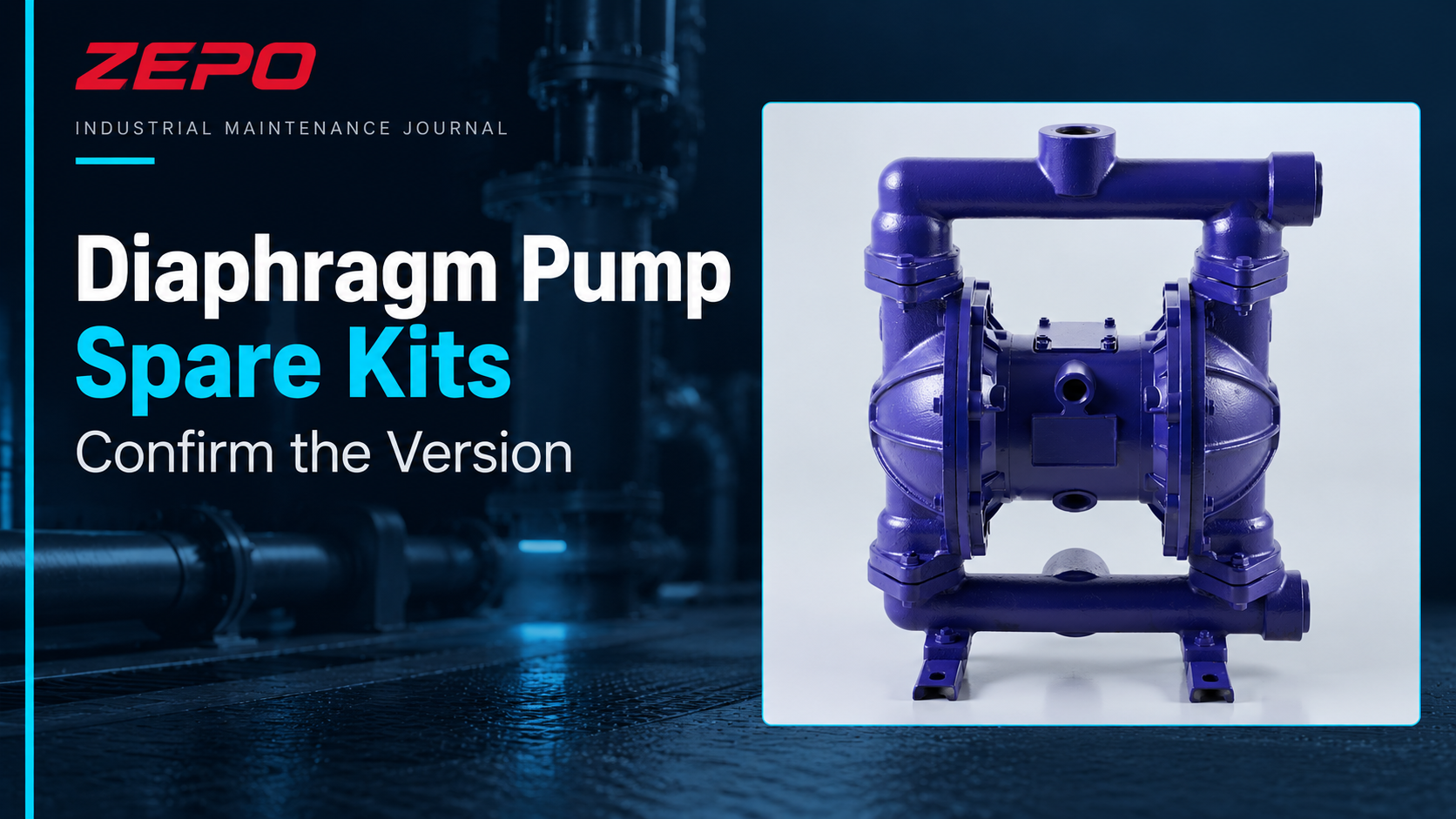
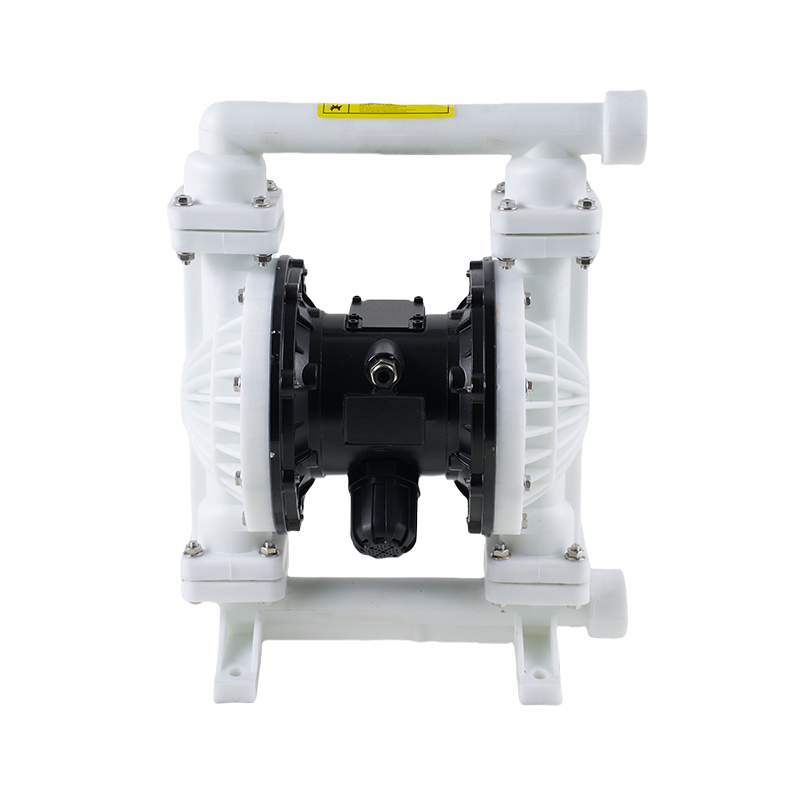
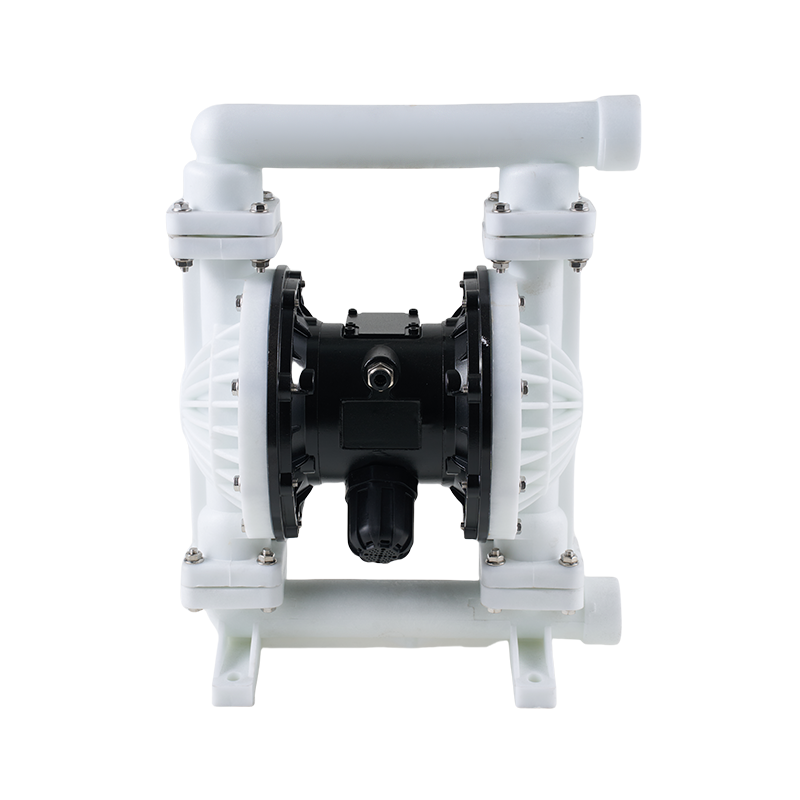
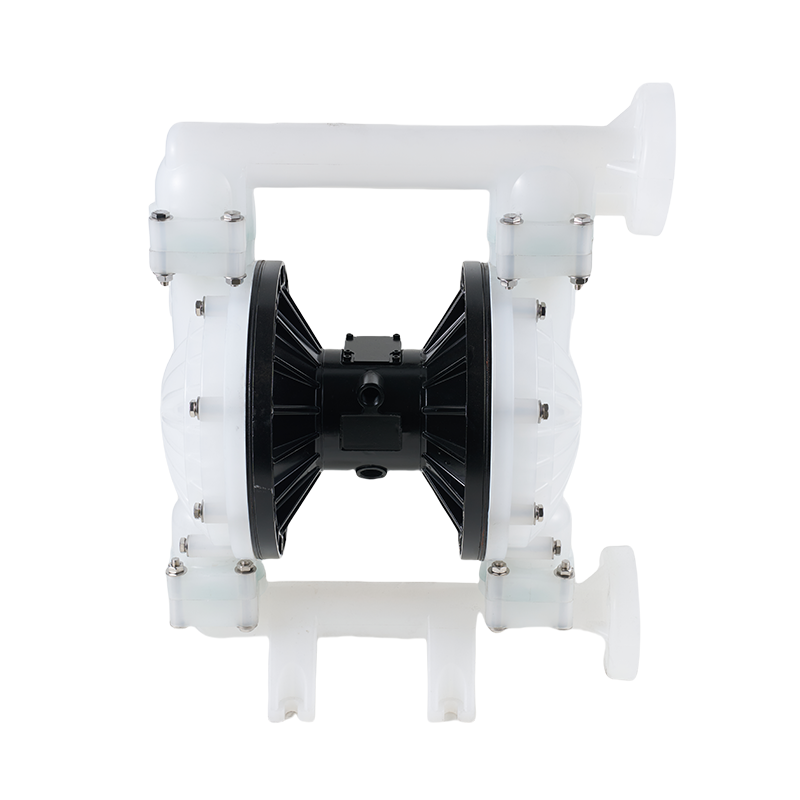
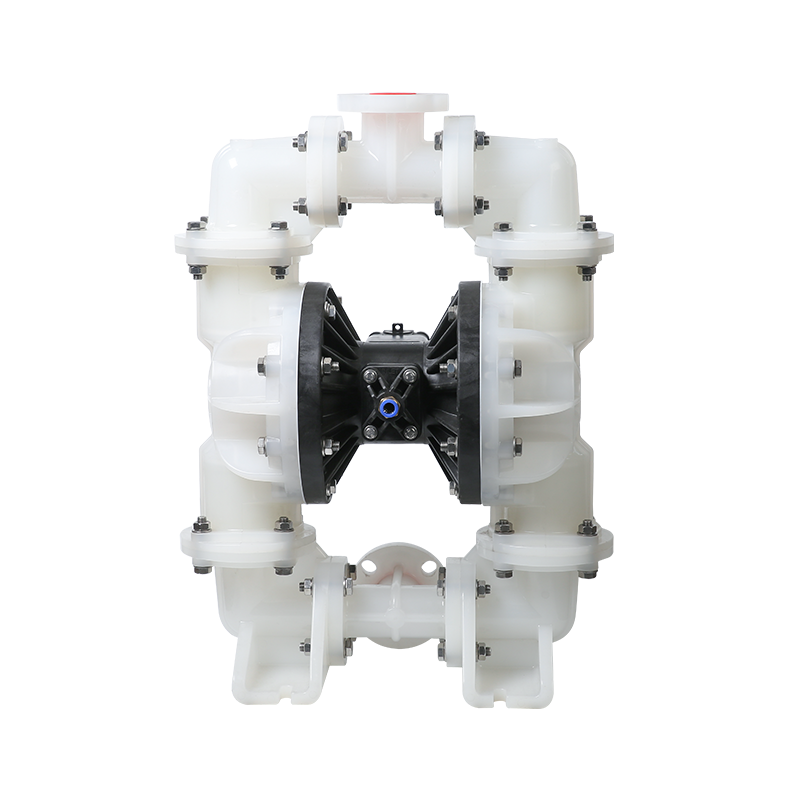
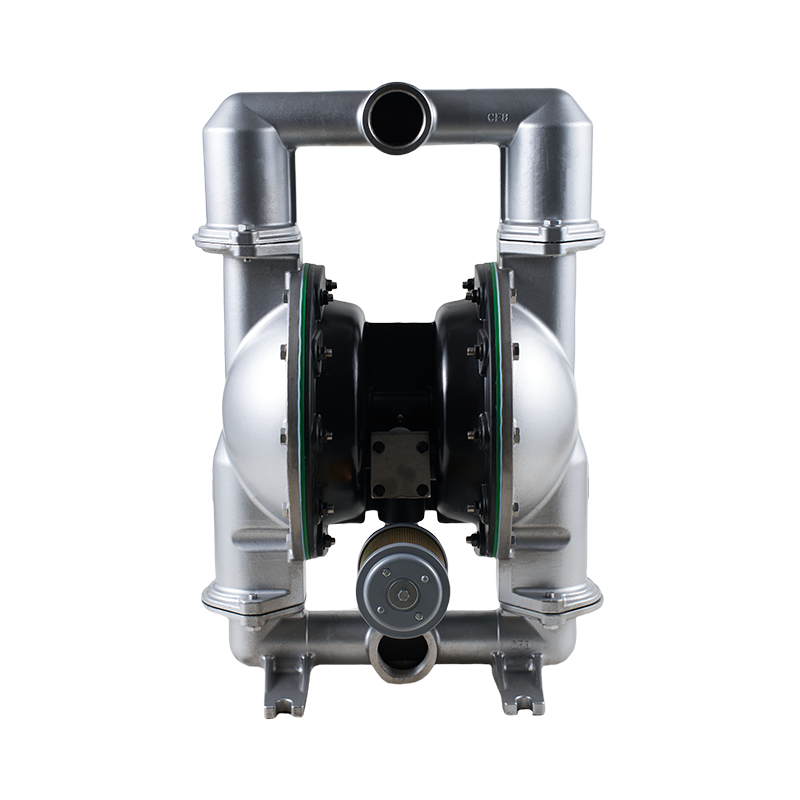
The cast iron diaphragm pump provides a useful product reference, but a catalogue page is not a substitute for the nameplate and actual assembly record. Photograph the identification plate, both fluid connections and the air distribution section. Include any purchase order or serial reference available from the original delivery.
Check whether the pump has been modified since installation. A replacement manifold, an alternative connection or a previous elastomer change can make the installed configuration different from the first invoice. Describe those changes explicitly. Guessing from body colour risks matching the appearance while missing a service-critical material.
If identification remains uncertain, ask the supplier which photographs, dimensions or part markings will distinguish the alternatives. Do this before ordering a large stock quantity. A kit that fits one pump in a fleet should not automatically be recorded as suitable for all pumps carrying the same broad series designation.
Separate the wear parts from the kit label
Terms such as diaphragm kit, wet-end kit and complete repair kit can describe different combinations. Request an itemised list with quantities. Establish whether seals, check balls, seats, diaphragm backing components or air-side parts are included, and which items must be ordered separately.
A photograph of the unopened package can support identification, but the parts list should remain the controlling record. Packaging appearance can change without a technical revision. Conversely, two packages can look similar while containing different materials. Give each approved combination its own purchasing reference so a substitute is visible rather than silently accepted.
| Purchasing field | Detail to agree | Why it matters |
|---|---|---|
| Pump identity | Model, identification reference and installed revision | Connects the kit to the actual machine |
| Wetted parts | Material and part number for each relevant component | Prevents an appearance-based substitution |
| Contents | Item description and quantity | Makes missing components visible before maintenance |
| Service documents | Exploded drawing and applicable instructions | Supports correct part identification |
| Storage | Supplier instructions and identification method | Keeps unused stock traceable |
Materials follow the fluid and operating conditions
Do not select a diaphragm material by its familiar name alone. Give the supplier the liquid composition, concentration, temperature range, solids description and cleaning chemicals. Changes in cleaning practice can matter even when the normal process liquid is unchanged. Where several fluids share the same pump, list them individually.
Ask for confirmation for the intended service rather than treating a general compatibility chart as a guarantee. Chemical resistance, flexing behaviour and temperature limitations need to be considered together. A body material description does not establish the material of the diaphragm, ball or seat. Record each relevant component separately.
A spare part should also match the intended mechanical arrangement. Thickness, shape, mounting detail and backing configuration affect assembly compatibility. Do not assume that a visually similar diaphragm from another model is interchangeable. Any proposed alternative needs supplier review and a clearly documented approval before it enters the maintenance stock.
Make the service package usable on site
A parts order becomes more useful when the maintenance team receives the relevant drawing and instructions with it. Confirm the applicable isolation procedure, disassembly guidance, component orientation and tightening requirements from the manufacturer documentation. This article is a purchasing checklist, not a substitute for a pump-specific service procedure.
The site team should follow its established isolation and hazardous-fluid handling practices before opening equipment. Residual liquid and trapped pressure cannot be assessed from the outside appearance. Maintenance work belongs with trained personnel using the approved procedure and suitable protection for the actual process.
- Mark the kit with the internal equipment number and supplier part reference.
- Keep the contents list and revision with the receiving record.
- Separate unconfirmed alternatives from approved service stock.
- Record any supplier clarification before the planned shutdown.
- Retain removed-part identification until the repair has been reviewed.
A shutdown is a poor time to discover that a package contains two diaphragms but none of the seals required for the planned work. Compare the maintenance scope against the complete kit list in advance. Availability and scope are separate questions; a kit can be in stock yet still be incomplete for that particular job.
Receive, store and revise the record
At receiving, check labels against the purchase order before releasing parts to stores. Inspect for transit damage without unnecessarily exposing components to contamination. Follow the supplied storage instructions, including any restrictions on light, temperature, packaging or shelf life. Do not invent a standard storage period for all elastomers.
When a kit is issued, record the equipment identity and date alongside the part reference. If the supplier changes a part number, request the relationship between the old and new versions. A superseded number may describe an equivalent item, a revised item or a different assembly requirement; the meaning needs to be explicit.
For a mixed pump fleet, begin with one fully documented kit for each confirmed configuration. Use that record to build an organised replenishment list. The result is a spare-parts programme that follows real equipment and service conditions, giving purchasing and maintenance the same basis for the next order.
Copyright © Zhejiang Zhanbo Diaphragm Pump Manufacturing Co., Ltd.

OEM/ODM Diaphragm Pump Manufacturer