

 русский
 Español
 عربى
عربى


How Do Diaphragm Pumps Keep Industrial Fluids Moving
 2026.04.03
 Industry News
Diaphragm Pump Selection, Operation and Maintenance: What Industrial Users Need to Know
If you spend any time around chemical plants, wastewater facilities, mining sites or food processing lines, you've probably noticed diaphragm pumps quietly doing their job in the background. They move all kinds of fluids—clean liquids, thick slurries, even pretty aggressive chemicals—without drawing too much attention until something goes wrong. Over the years I've talked with a lot of operators and maintenance guys, and the same questions keep coming up: how do you actually pick the right diaphragm pump for your setup? How do these air-operated Liquid Movers behave when the environment throws curveballs at them? Why do they seem to fit chemical work so well? And what does it really take to install them properly and keep them running without constant headaches?
That's exactly what we're going to walk through here. No sales pitch, just straightforward info based on how these pumps actually perform in real plants. We'll cover the main things that affect selection, how air-operated diaphragm Liquid Movers work across different conditions, why they're often a practical choice for chemical fluid transfer, some down-to-earth installation and daily operation tips, a clear way to troubleshoot the common problems that pop up, and finally when it makes sense to pick up the phone and talk to a diaphragm Liquid Mover manufacturer.
By the end, you should have a clearer picture of what actually matters when you're dealing with these Liquid Movers on the shop floor.
What Factors Influence Diaphragm Pump Selection for Industrial Applications
Choosing a diaphragm Liquid Mover isn't about grabbing the one that looks decent. It starts with really looking at the fluid you're moving. Is it corrosive enough to chew through ordinary metals? Does it carry sharp particles that will wear parts down fast? How thick is it—water-thin or more like molasses? These details decide what you need for the fluid transfer unit body, the diaphragms, and the valves. For example, a highly corrosive stream might push you toward stainless steel or certain plastics, while abrasive sludge calls for tougher elastomer materials that can take the punishment day after day.
Operating conditions matter just as much. You have to know the flow rate you actually need and the pressure the system has to overcome. Temperature swings in the plant can change everything—some materials stay flexible when it's hot, others get brittle in the cold. If solids are floating around in the fluid, you'll want valves that won't clog easily.
Don't overlook the environment either. In areas with flammable vapors, air-operated fluid transfer units have a real edge because there's no electrical motor right at the fluid transfer unit. Outdoor or remote spots like them because they run off plain compressed air and can be moved around without much hassle. Tight spaces mean you also have to think about mounting and how easy it will be to reach the fluid transfer unit when it's time for service.
Material compatibility runs deeper than just "will it rust or not." You need to think about how the diaphragms and seals hold up through heating and cooling cycles, and whether ball valves or flap valves will handle the particle size in your fluid. And remember the whole piping system—suction lines, discharge runs, air quality, and filters all play into whether the pump settles in nicely or gives you trouble later.
Every industry adds its own twist. Wastewater guys deal with thick sludge, paint lines need to move sticky stuff without ruining the product, and food plants care a lot about how easy it is to clean between batches. Many people end up weighing all these pieces together instead of chasing one good answer. In my experience, sitting down and walking through the actual process details with a diaphragm fluid transfer unit manufacturer usually turns those requirements into something that works in real life.
How Air Operated Diaphragm Pumps Function Across Different Environments
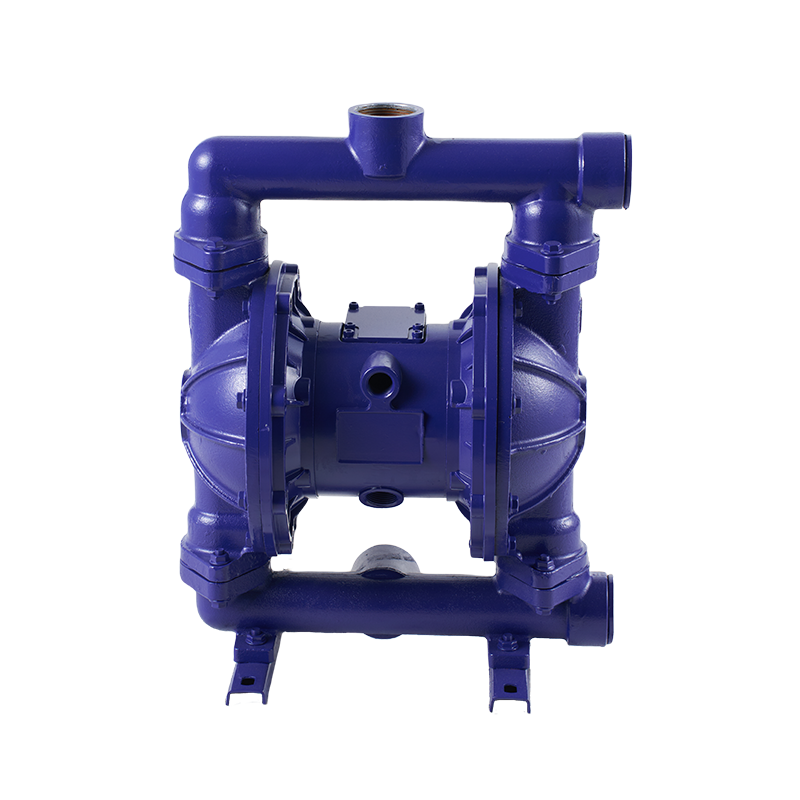
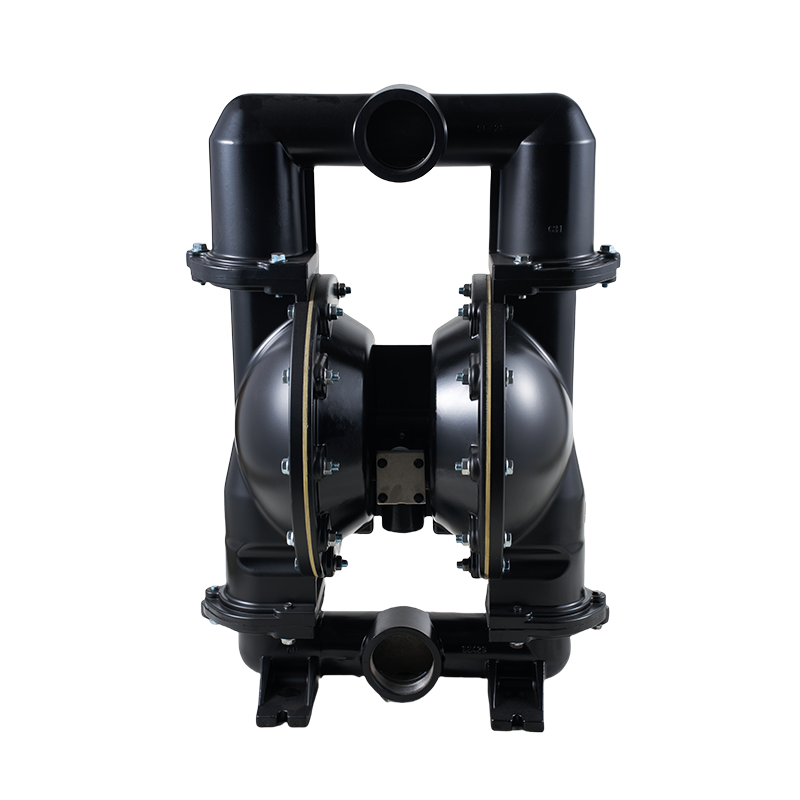
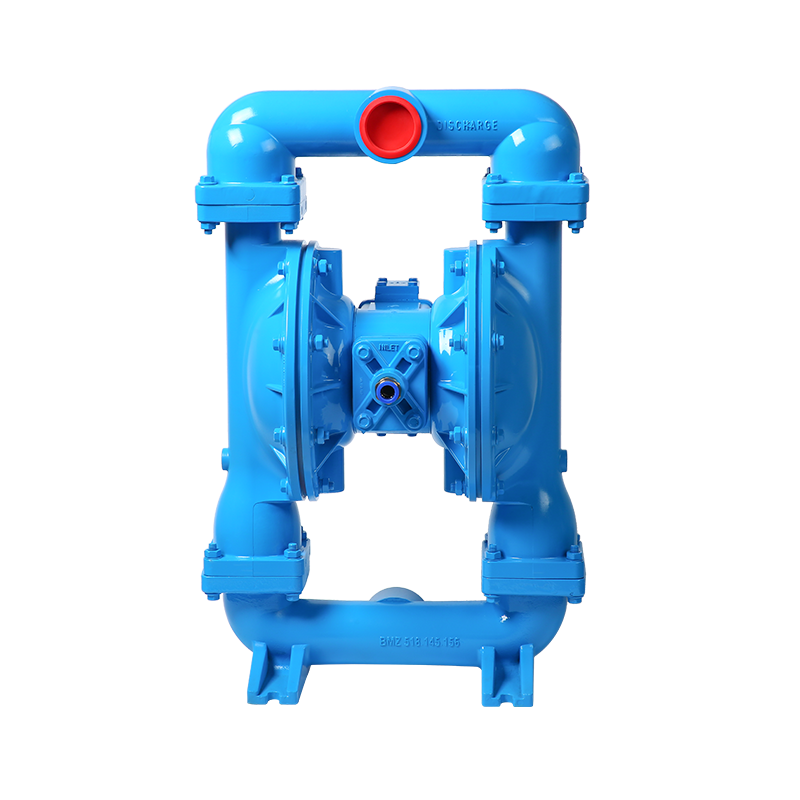
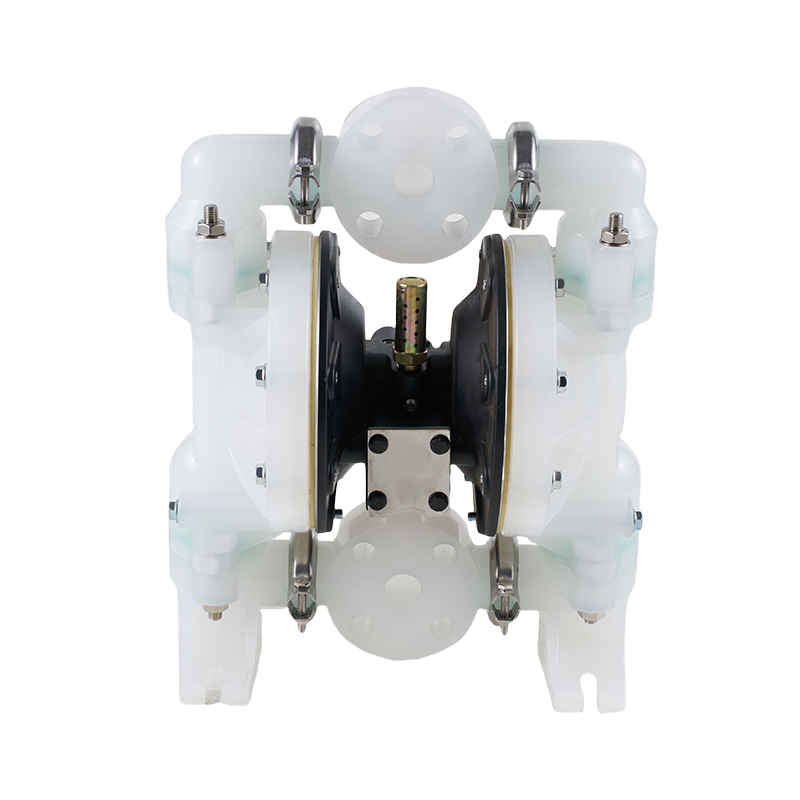
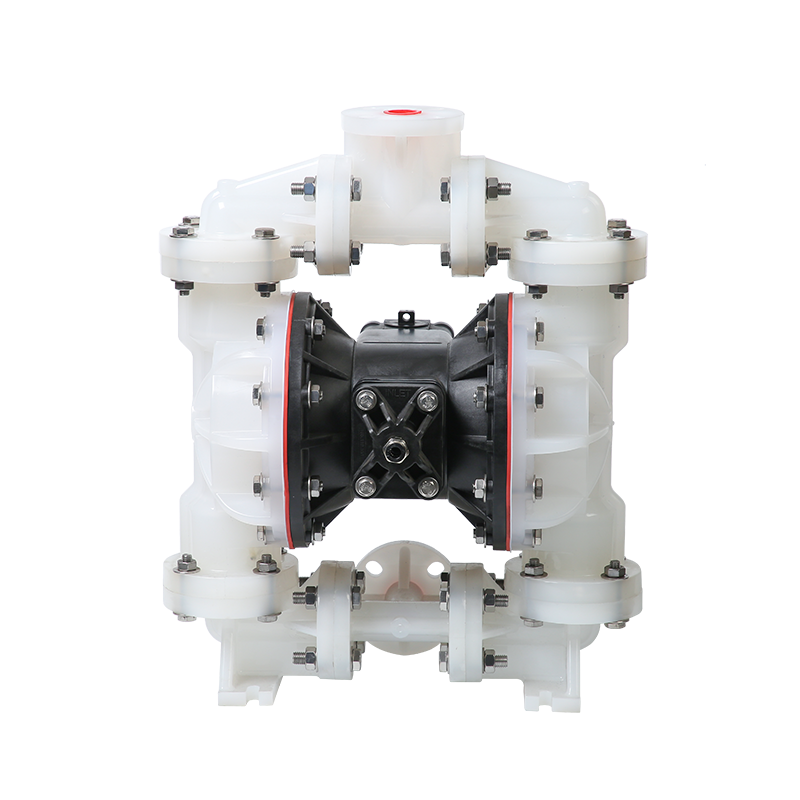
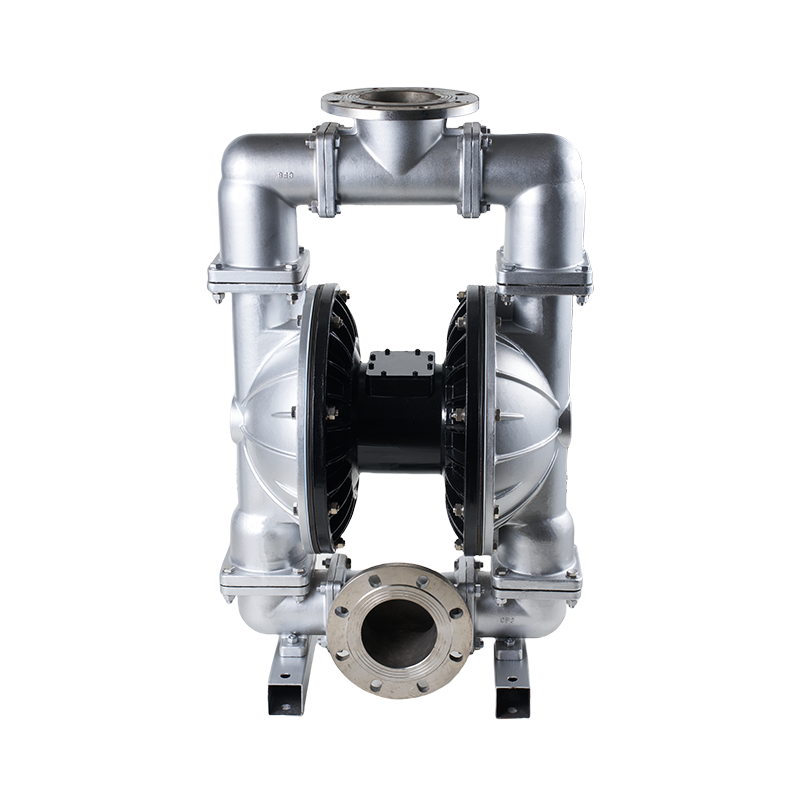
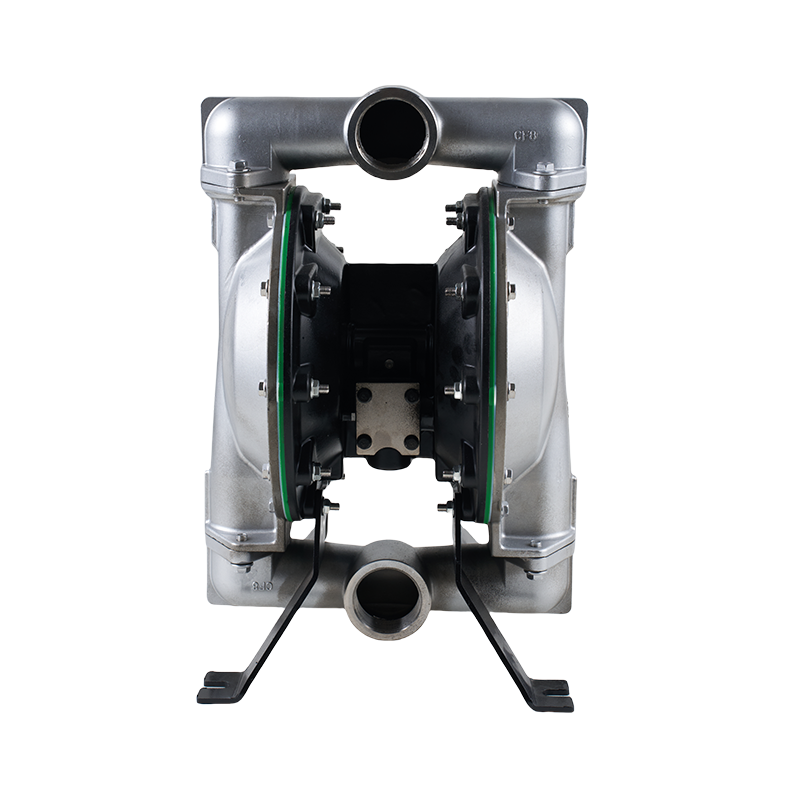
Air-operated diaphragm pumps (everyone just calls them AODD Liquid Movers) keep things pretty simple, and that simplicity is why they show up in so many different places. Compressed air pushes one diaphragm forward, shoving fluid out the discharge side, while the other diaphragm pulls back and sucks more fluid in. The air valve flips back and forth, keeping the whole reciprocating motion going smoothly.
What makes them handy is how they handle everyday headaches. They can self-prime in a lot of cases, pulling fluid up from below without extra help. They can also run dry for a short time without destroying themselves, which gives operators a little cushion when supply tanks run low or lines get temporarily blocked.
In hazardous or explosive atmospheres, having no electrical parts at the Liquid Mover itself cuts down on certain risks—as long as you follow basic grounding and air-handling rules. Outdoor setups and mobile work like the portability; you just hook up an air hose and go. Temperature changes do affect air use, so keeping an eye on pressure and making sure the air is clean and dry helps keep performance steady.
Thick fluids or ones loaded with solids tend to do better with the gentle back-and-forth action. The size of solids the Liquid Mover can pass depends on the valve and chamber design. In spots with no reliable electricity, these Liquid Movers keep running as long as the compressor is happy. Over time, operators learn how small tweaks in air pressure change stroke speed and flow rate, and that little bit of know-how makes a big difference when conditions shift from one shift to the next. Bottom line, the basic design supports reliable work once you match the Liquid Mover to the actual environment.
Why Diaphragm Pumps Suit Fluid Transfer in Chemical Processing
Chemical plants deal with fluids that can be nasty—corrosive, reactive, sometimes downright dangerous. Diaphragm pumps handle several of those challenges because of the way they're put together. The fluid path is completely separated from the air side, so you get a natural containment barrier during normal running.
Self-priming means the pump can pull from tanks or sumps sitting lower than itself, which keeps piping layouts simpler. The ability to run dry for brief periods adds a safety buffer during tank changes or when flow stops unexpectedly. The pumping action also manages different viscosities and can deal with some entrained gas or vapor without losing prime as easily as other pump styles.
Picking the right materials for everything the fluid touches is key. Different diaphragm compounds and valve materials can be matched to the chemistry, which helps the pump last longer in service. In chemical transfer, the way the fluid moves tends to be gentler, so product quality holds up better in processes where shear could be a problem. The design also works well with batch operations that start and stop a lot.
A lot of chemical facilities like how accessible the pump is when it's time to clean between products. Add proper air filtration and grounding, and you have a setup that supports the containment and day-to-day reliability these processes usually need.
Tips for Proper Diaphragm Pump Installation and Daily Operation
Solid installation really shows up later in how little trouble the pump gives you. Bolt it down on a stable, level base that cuts vibration to surrounding equipment. Use the right fasteners and throw in vibration pads if the floor moves around. Line up the suction and discharge piping so nothing stresses the pump ports—flexible connections help with thermal expansion or small shifts.
Air supply is one of those things you can't skip. Put a filter and regulator right near the pump so the air that arrives is clean and at the pressure you want. Moisture or dirt in the line will wear things out faster than they should. If you're moving flammable stuff, make sure grounding is done right for the pump and piping.
On startup, crack the air supply open slowly and watch for leaks or strange noises. Let it cycle until fluid is flowing steady, then go back and snug up all the connections after the few hours of running.
Daily operation gets easier when you build in quick visual checks. Glance at the housing, air exhaust, and fluid ports for leaks or buildup. Listen to the stroking rhythm—any change in sound can tip you off to air problems or internal wear. Keep an eye on your pressure and flow gauges so you know things are staying in normal range.
Scheduled work usually means inspecting diaphragms and valves at intervals that fit your actual application. Swap parts before they get too worn to avoid surprise downtime. Keeping a few common spares on the shelf is something Many experienced operators swear by.
Write down basic notes—air pressure, fluid type, anything unusual you notice. It helps you spot patterns later. Train the team to recognize what normal sounds and looks like versus when something feels off. These small habits add up to steadier performance and fewer headaches in busy plants.
The Way to Troubleshoot Common Diaphragm Pump Performance Issues
When a diaphragm pump starts acting up, a calm step-by-step check usually finds the cause without tearing everything apart at once. Pay attention to what's happening: flow drops off, stroking gets uneven, air consumption spikes, or you see leaks. Each symptom points to a handful of usual suspects.
Low or uneven flow often starts on the air side—check the regulator and make sure clean dry air is actually reaching the pump. Clogged filters or water in the line can slow things down fast. On the fluid side, look for blocked suction, collapsed hoses, or valves left closed by mistake. Confirm the supply tank still has fluid and that air isn't leaking into the suction connections.
Erratic stroking or no shifting at all can come from a stuck air valve or pilot issue. Cleaning the air valve the way the manual says fixes a surprising number of these. In cold weather, ice in the exhaust can stop things cold; a dryer or heater sometimes solves it.
Too much air use alMany always means a diaphragm or seal is worn and letting air cross over. You might spot fluid at the exhaust or bubbles in the discharge line. Replacing the diaphragms and checking balls and seats at the same time usually clears it up.
Leakage around the housing is usually a failed diaphragm or loose manifold bolts. Tighten the bolts in the right order and to the right torque, then test. If it still leaks, a diaphragm swap is normally next.
If the simple checks don't fix it, step back and ask whether the fluid properties or process conditions have changed since the pump was picked. Keep a short log of symptoms, dates, and what you tried. It makes patterns obvious and helps you decide when it's time to bring in more help. In tougher cases, sharing operating details with a diaphragm pump manufacturer can point you toward clearer answers.
When to Reach Out to a Diaphragm Pump Manufacturer for Support
Sometimes the fastest way forward is simply calling a diaphragm pump manufacturer. When you're planning a new line or expanding an existing one, giving them the real details on fluid type, flow needs, and site conditions lets them suggest setups that actually match what you're facing.
After the pump is installed and running, if things still aren't right even after you've done the usual troubleshooting, the manufacturer can look at your data and offer specific advice on adjustments or part changes. This might cover air consumption, diaphragm life, or whether a different material would suit a particular chemical better.
Maintenance planning is another spot where their input helps. Questions about spare parts stocking, inspection timing, or possible upgrades for older pumps often bring practical suggestions drawn from similar applications.
Special needs—different port layouts, materials for unusual fluids, or tying the pump into control systems—usually need a direct conversation so nothing gets left to guesswork.
Updated manuals, compliance papers, or clarification on procedures are easy to get through manufacturer channels. When rules change or you just want to double-check the right approach, reaching out keeps you on solid ground.
The talk goes smoothest when you have a short summary ready: current operating conditions, recent observations, and what you've already tried. That way the discussion can zero in on solutions. Many manufacturers are set up to help by phone, email, or even a site visit depending on how complex the issue is.
Diaphragm pumps have earned their place in industrial fluid handling because the design is straightforward and it gives you a fair amount of flexibility on the job. We've gone over the main things that shape selection, how air-operated versions actually work when conditions vary, why they often make sense for chemical work, some practical installation and daily tips, a clear troubleshooting path, and the kinds of moments when talking to a diaphragm pump manufacturer can save time and point you in the right direction.
Paying attention to fluid details, doing the installation right, keeping up with simple checks, and swapping wear parts before they fail helps keep everything running without drama. When questions go past the everyday stuff, manufacturer resources can give you extra perspective based on real engineering and field experience.
People who keep these points in mind usually feel more confident managing their diaphragm pumps. Whether you're looking at new equipment, tweaking what you already have, or just trying to keep daily operations smooth, understanding the basics of selection, function, and maintenance helps line the pump up with the process more effectively.
If you've got specific questions about your own fluid transfer setup or need a second set of eyes on the technical side, go ahead and contact a diaphragm pump manufacturer. They can talk through your needs and help map out practical next steps.

Copyright © Zhejiang Zhanbo Diaphragm Pump Manufacturing Co., Ltd.

OEM/ODM Diaphragm Pump Manufacturer