

 русский
 Español
 عربى
عربى


How Do Pneumatic Diaphragm Pumps Improve Fluid Handling
 2026.03.27
 Industry News
How to Choose a Pneumatic Diaphragm Pump for Your Application: A Complete Guide from China Pneumatic Diaphragm Pump Factory
You know how it goes in industrial fluid handling. One day everything is running smooth, the next you're dealing with a pump that's not keeping up, or worse, causing leaks and downtime that eat into your schedule. Pneumatic diaphragm pumps have turned into a real workhorse option for places like chemical plants, wastewater treatment sites, pharmaceutical setups, and food production floors. They use nothing but compressed air, so there's no electricity touching the fluid directly. That simple fact opens up a lot of doors when safety or tricky liquids are involved.
Here at China Pneumatic Diaphragm Pump Factory we've been building these pumps for a long time and talking with operators every week about what actually works on the floor. This guide pulls together the questions we hear often. We'll cover how to pick the right pump for your job, what the main parts really do, why these pumps make sense for safe fluid transfer, some down-to-earth troubleshooting tips, where they usually show up in food processing lines, and the main things that actually control flow rate.
If you're the one buying equipment, fixing it, or running the process, you'll find straight talk here that comes from real shop-floor experience. No fancy claims, just the kind of information that helps you make decisions without second-guessing later. Stick with me and by the end you'll have a clearer picture of how these pumps fit into your operation. Let's get into it.
How to Choose a Pneumatic Diaphragm Pump for Your Application
Choosing the right pneumatic diaphragm pump isn't rocket science, but it does take a few minutes of honest assessment. Start by looking hard at the liquid you're moving. Is it thick like sludge or thin like solvent? Does it eat away at metal? Are there chunks or grit floating in it? Write all that down because those details decide everything else. A pump that handles heavy slurry will need different internals than one pushing clean water-like chemicals.
After the fluid, think about how much you need to move and how far. Measure the run, note any lifts, and count the elbows in the pipe. That tells you what air pressure you'll need to keep things steady. If your process sometimes loses suction for a minute or the flow has to change during the shift, the self-priming side of these pumps gives you a bit of forgiveness without extra gear.
Don't forget the spot where the pump will sit. Hazardous zones love the air-driven design because there's no spark risk from motors. Check the air pressure available on site, the temperature swings, and how humid it gets. I always suggest a quick checklist: fluid name and properties, target flow in gallons or liters per hour, pipe sizes on both ends, and any rules your industry makes you follow. Keeps things from slipping through the cracks.
Material picks matter more than people think. Housings might be cast iron for everyday stuff, stainless for cleaner lines, aluminum when weight counts, or plastic when chemicals are rough. Diaphragms usually come in rubber blends, PTFE, or special elastomers. Match them right and you won't be pulling the pump apart every few months.
We build pumps at China Pneumatic Diaphragm Pump Factory with these everyday realities in mind. When customers ask, we send drawings or even a test unit so they can try it in their own setup. A short run under real conditions usually shows if it's going to work or not. Teams that do this step tell us later they had way fewer headaches after installation.
Bottom line, picking the pump comes down to matching what the pump can do with what your line actually needs. Take the time upfront and you'll spend a lot less time fixing things later.
What Are the Main Components of a Pneumatic Diaphragm Pump
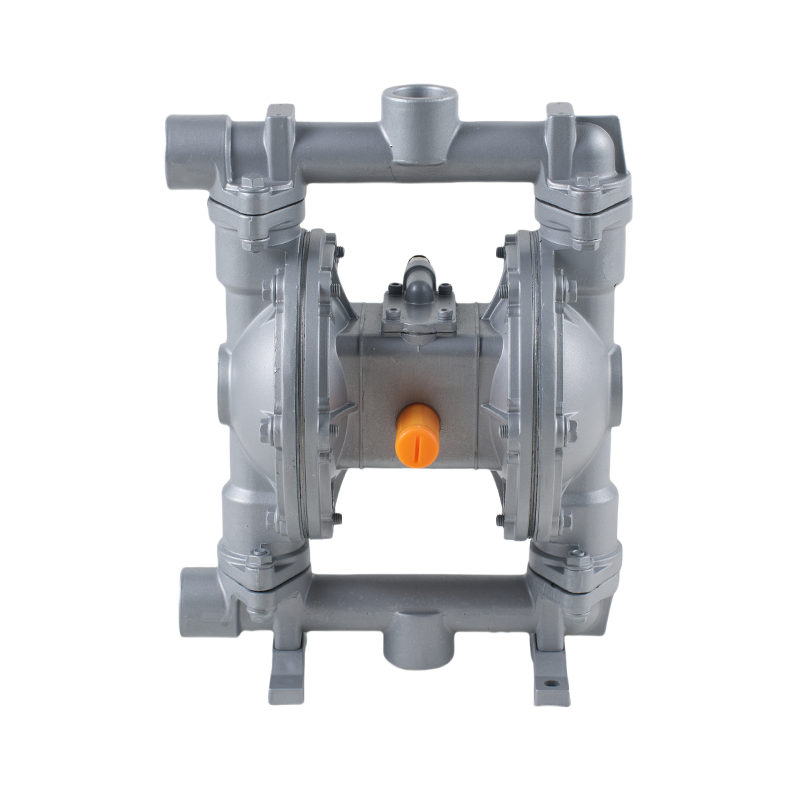
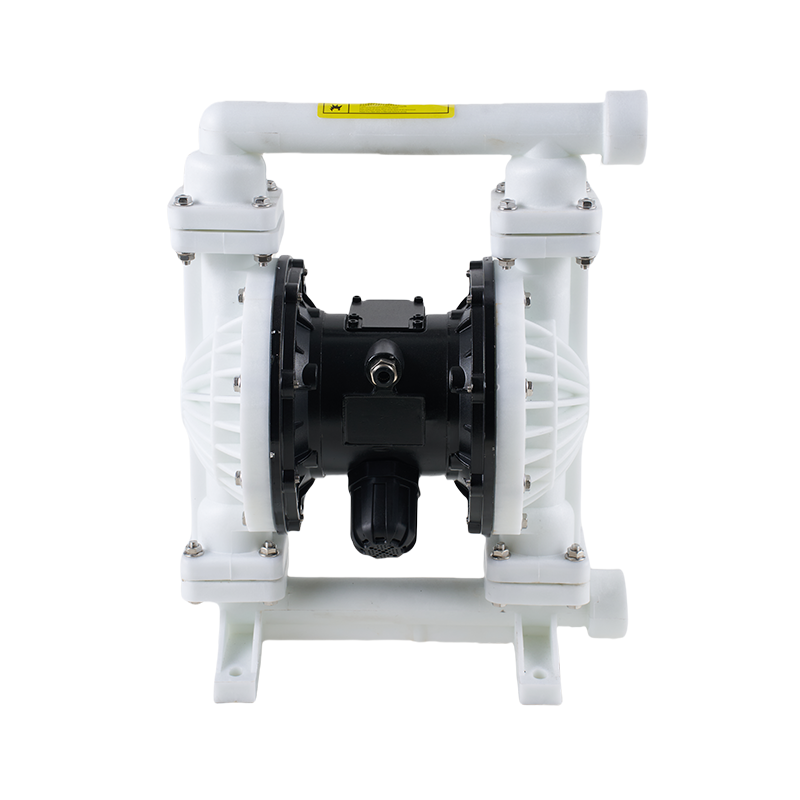
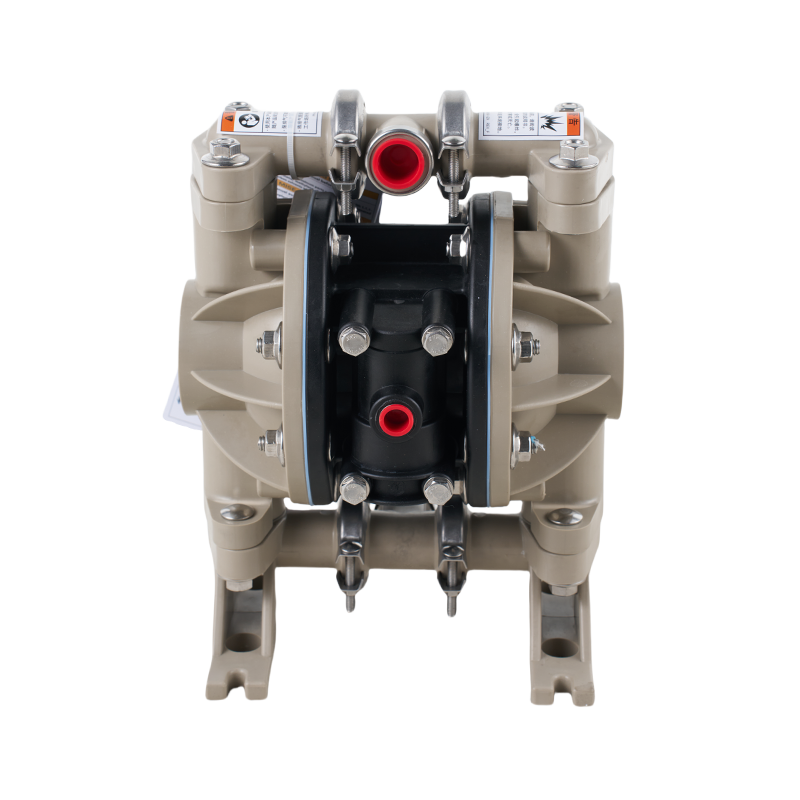
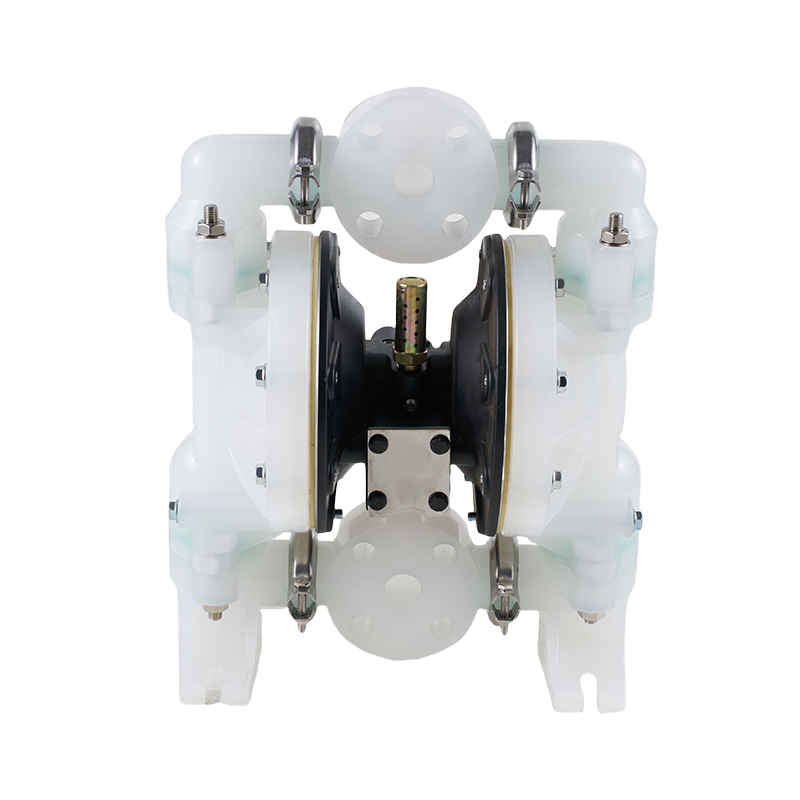
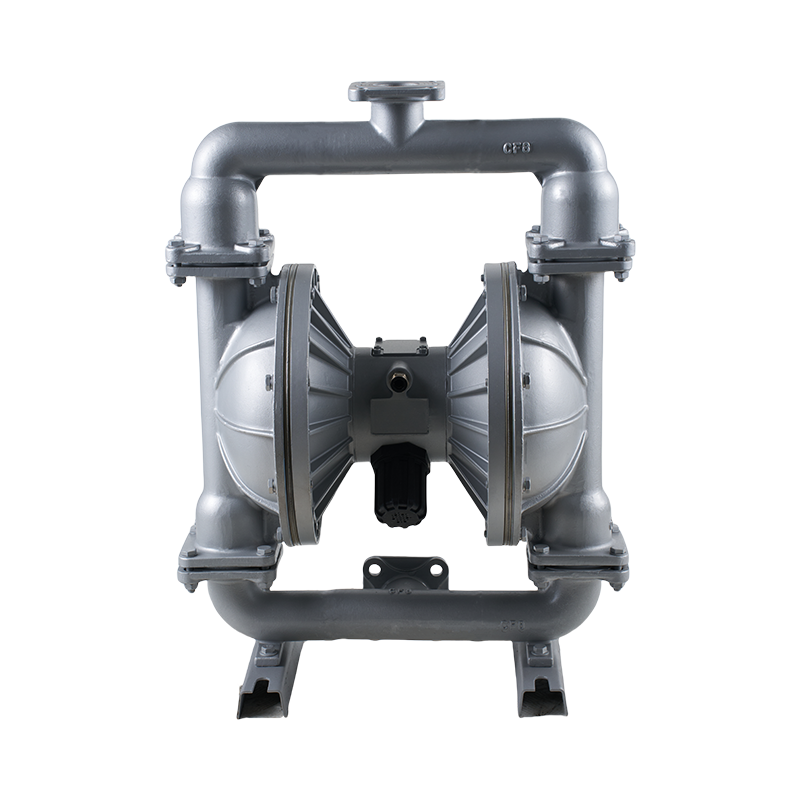
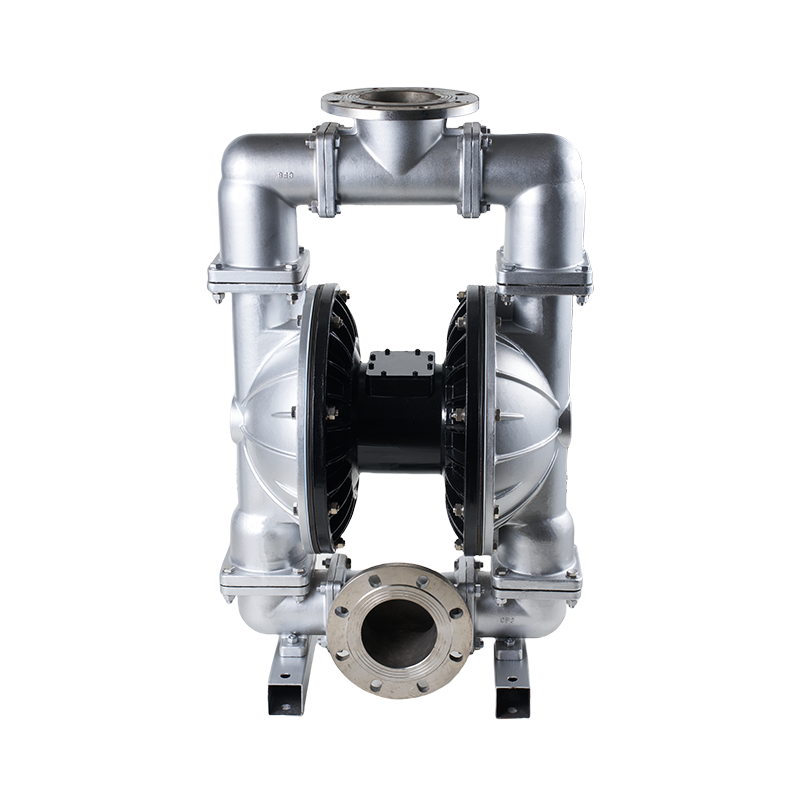
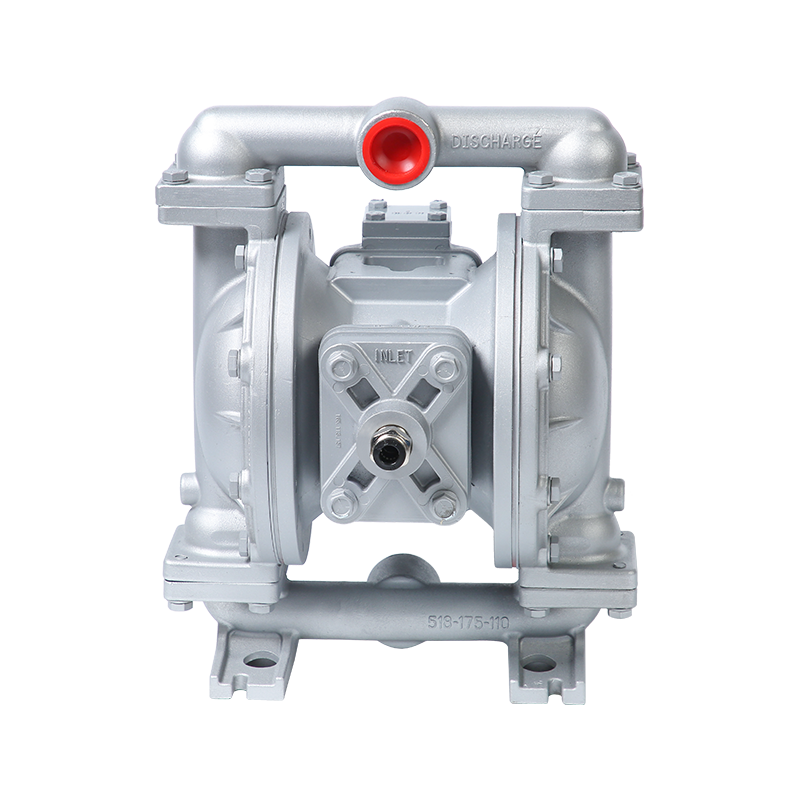
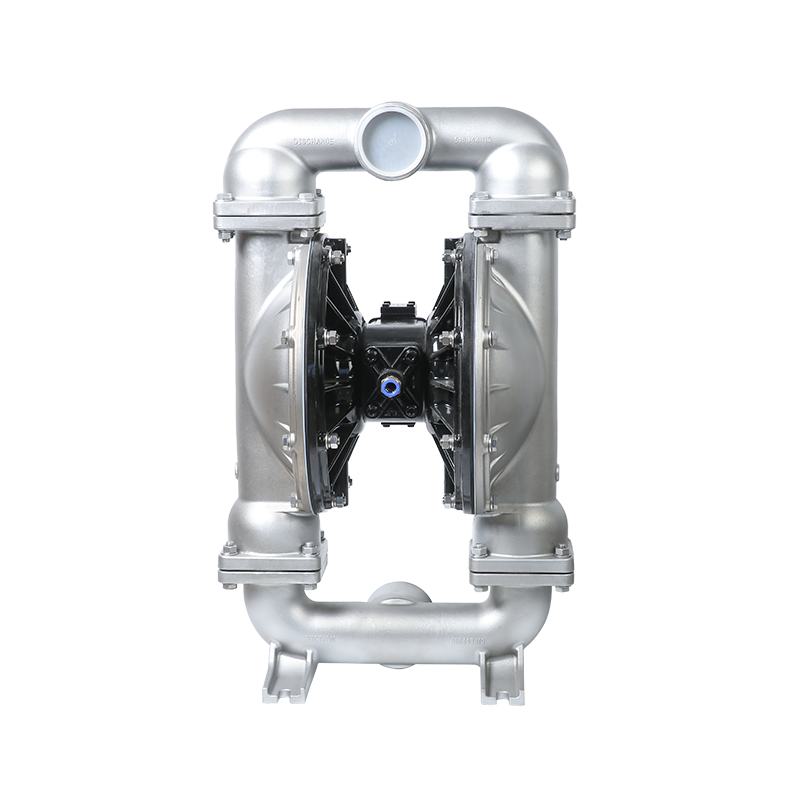
Once the pump is in, it helps a ton if you know what's inside. That way you can spot small problems before they stop the whole line. The heart of it is the diaphragms—those flexible sheets that push the liquid back and forth. Air pressure moves them, so one side is air, the other is fluid. Pick the wrong diaphragm material for your chemical and you'll be replacing it sooner than you want.
Next you have the air valves that flip the pressure from one side to the other. They keep the pump stroking steadily. When they get gummed up or worn, the rhythm goes off and you hear it right away. The pump body holds everything together and routes the fluid. It can be metal or plastic depending on what you're pumping. Ports on the sides hook up to your pipes, and the check valves (balls or flaps) make sure liquid only goes one way.
You'll also see the air filter on the inlet, a muffler on the exhaust to keep noise down, and the manifolds that connect the chambers. Each piece has a job. If the check valves don't seat right you lose prime and flow drops. During a shutdown we tell customers to open it up and look for cracks on the diaphragm or residue on the valves. Small stuff like that shows up early if you check regularly.
At China Pneumatic Diaphragm Pump Factory we pay close attention to how all these parts line up during assembly. It makes a difference when the pump has to run shift after shift. Knowing the layout also makes ordering spares easy. Maintenance guys can grab the exploded drawing, point to the part, and get the right one without guessing.
Why Use Pneumatic Diaphragm Pumps for Safe Fluid Transfer
Safety comes up in every conversation we have with plants handling flammable or nasty chemicals. These pumps run on air only, so there's no electric motor inside that could spark. That alone makes them a fit for areas with strict explosion-proof rules. They pull their own prime too, which means you don't have to stand there filling lines manually in tight spots.
They can run dry for a short time without burning up, which is handy when a tank empties unexpectedly. The way the fluid stays trapped between the diaphragms cuts down on leaks compared to pumps with mechanical seals. You control speed just by turning the air pressure up or down—no fancy drives needed.
When the liquid is thick or full of particles, the back-and-forth motion is easier on the product. It doesn't beat it up like some other pumps do. That's why you see them moving paints, inks, adhesives, or wastewater with solids. Plants like that they hook up to regular shop air with al no changes, and if power goes out the pump keeps going as long as air is there.
Regulations push for containment and low risk, and these pumps line up with those goals without extra gadgets. Operators tell us they sleep better knowing the pump isn't going to create a problem they didn't see coming.
Tips on Troubleshooting Common Issues with Pneumatic Diaphragm Pumps
When the pump starts acting up, issues are pretty straightforward once you walk through them. No flow at all? Check the air gauge first. Low pressure usually means a dirty filter or the compressor isn't keeping up. Muffler blocked? That can stop exhaust and kill the cycle.
Pump is stroking but barely moving liquid? Nine times out of ten the check valves have debris or are worn. Pull them, clean or replace, and flow usually comes back. Air sneaking into the suction line will break prime too—tighten hoses and make sure the inlet stays covered.
If it stalls or jerks around, look at the diaphragms. A tear lets air bleed across and stops the stroke. Open the ports or take the cover off and you'll see it. Replace on schedule and you avoid that surprise.
Leaks around the outside often come from loose bolts or old O-rings. Cross-tighten them and swap the seals. Loud banging or hissing? The air valve might need a quick look and maybe a drop of the recommended lube.
Prevention beats fixing every time. Walk by once a day and glance at lines and gauges. Clean the air filter weekly. Change diaphragms based on hours run, not when they fail. Keep a notebook with pressure numbers and cycle counts—it shows patterns before they become big problems.
When it's more than you can handle on site, give us a call at China Pneumatic Diaphragm Pump Factory. We keep records of the configurations and can guide you to the right spares fast. Writing down what you did also helps with any paperwork your plant needs.
Where Are Pneumatic Diaphragm Pumps Commonly Used in Food Processing
Food plants have their own set of rules—clean, gentle, and no chance of contamination. That's where these pumps fit nicely. At the start of the line they move raw juices, purees, or dairy from tanks into mixers. The motion is soft enough that it doesn't mash flavors or colors out of the product.
Later they push syrups, sauces, or batters to fillers. They don't mind bits of fruit or small particles, which is a plus. Everything inside stays smooth so cleaning crews can wash it fast during changeovers. Quick clamps make disassembly simple when the shift ends.
Dosing stations use them too because you can dial the air pressure and get steady drops of ingredients without complicated controls. In the back of the plant they handle wastewater with organic solids so it doesn't overload the drains.
Beverage and candy makers like mounting them on skids they can roll around when lines change. No electricity at the pump head means they can sit right next to wash-down areas without worry.
We supply food-contact versions with the right finishes and materials. Operators say the combination of steady running and easy cleaning is what keeps their lines moving all day.
What Factors Determine the Flow Rate of a Pneumatic Diaphragm Pump
Flow rate isn't a mystery if you watch a few things. Air pressure at the inlet is the biggest driver. Turn it up a bit and the diaphragms move faster, pushing more liquid each stroke. Keep the regulator steady and the rate stays even.
Diaphragm size and how far they travel also set the volume. Bigger ones move more per cycle but need more air. The model you picked at the beginning lines up with what you expect.
Thick liquids slow things down because the chamber fills slower. Hot or cold days can change that viscosity, so you might tweak pressure a little with the seasons. Pipe layout adds resistance—long runs, skinny pipes, or lots of bends all cut the final flow. A quick head-loss check gives you a decent idea what to expect.
Suction side matters just as much. Any lift or kink on the inlet reduces what the pump can pull. And of course, dirty valves or worn diaphragms quietly steal flow over time.
crews run a short test when the pump is new and write down the numbers. Any drop later sends them back to check the list above. Usually a pressure tweak or a quick clean brings it right back without tearing the whole thing apart.
We share these relationships based on how the pumps behave in normal service. It helps keep output where you need it day after day.
We've walked through six practical sides of pneumatic diaphragm pumps—how to choose them, what's inside, why they help with safe transfer, how to fix common hiccups, where they work in food lines, and what really controls flow. All of it comes from the questions we hear and the fixes we see on the floor.
These pumps stay popular because they solve real problems in moving all kinds of liquids without adding extra complications. Pay attention to the details we covered and you'll get steadier performance and fewer surprises.
If your operation needs more specifics or help matching a pump to your setup, reach out to China Pneumatic Diaphragm Pump Factory. Our team talks through requirements every day and can share what we've learned from building them. Use the points in this guide as a starting checklist when you review equipment or plan the next install.
Hope this gives you a clearer path forward. Fluid handling doesn't have to be a headache if you have the right information at hand. Come back to it anytime questions pop up.
Copyright © Zhejiang Zhanbo Diaphragm Pump Manufacturing Co., Ltd.

OEM/ODM Diaphragm Pump Manufacturer