

 русский
 Español
 عربى
عربى

 Home / Blogs / Industry News / How Do Stainless Steel Pneumatic Diaphragm Pump Support Fluid Transfer
 How Do Stainless Steel Pneumatic Diaphragm Pump Support Fluid Transfer
 2026.08.25
 Industry News
Fluid transfer genuinely shows up across a lot of industrial production processes. Liquids need to move between containers, production areas, storage systems, or processing equipment constantly. How that fluid gets handled genuinely shapes workflow organization, equipment maintenance, and production management overall.
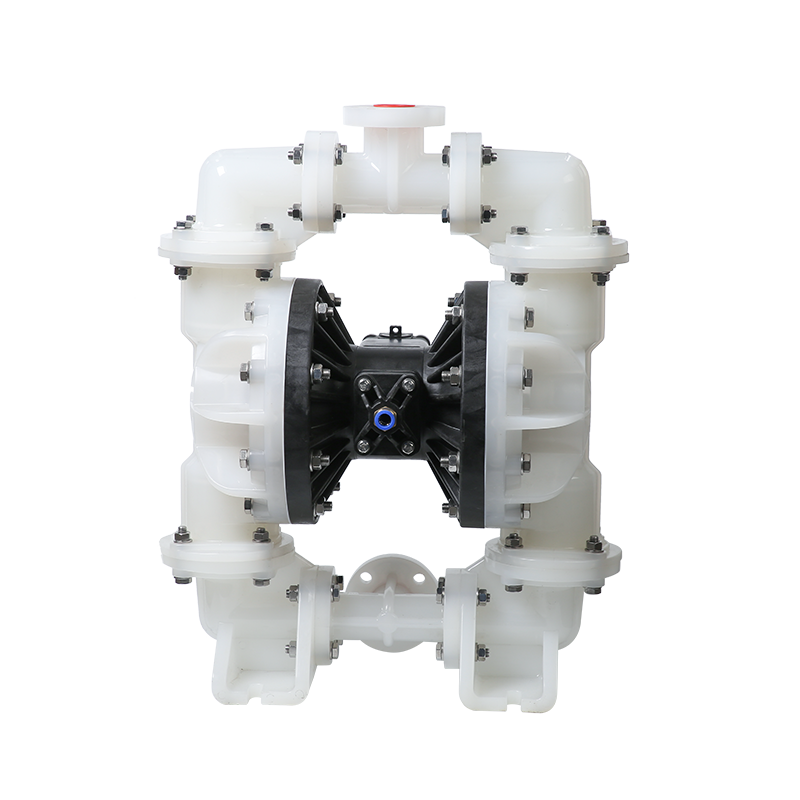
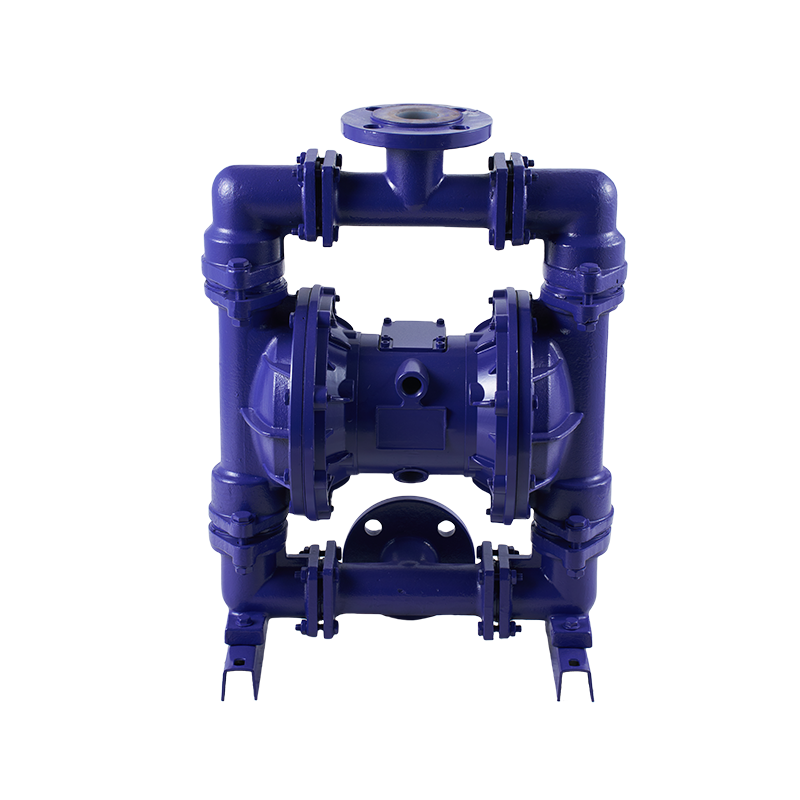
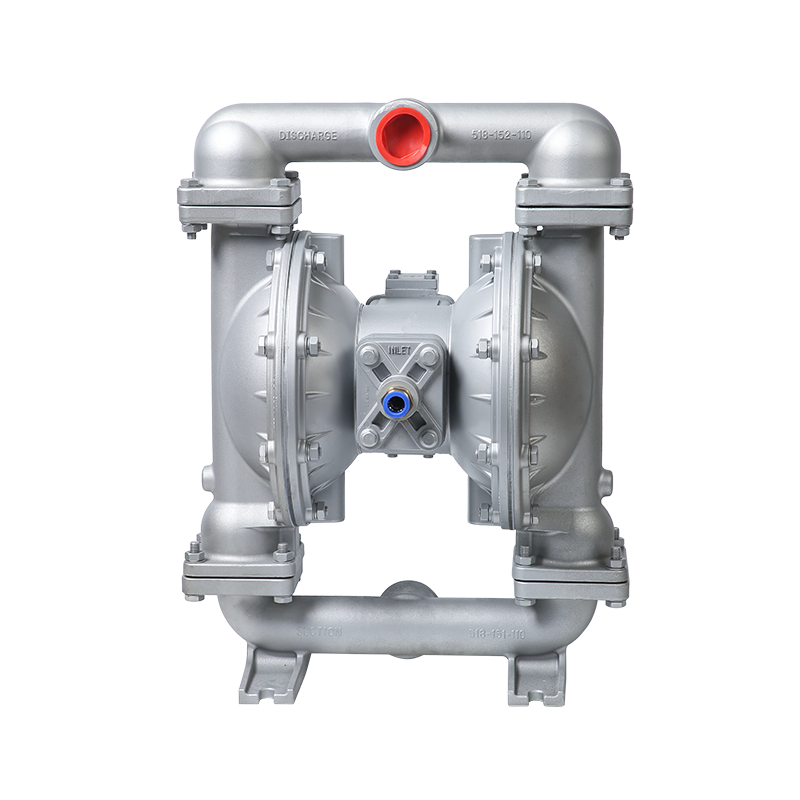
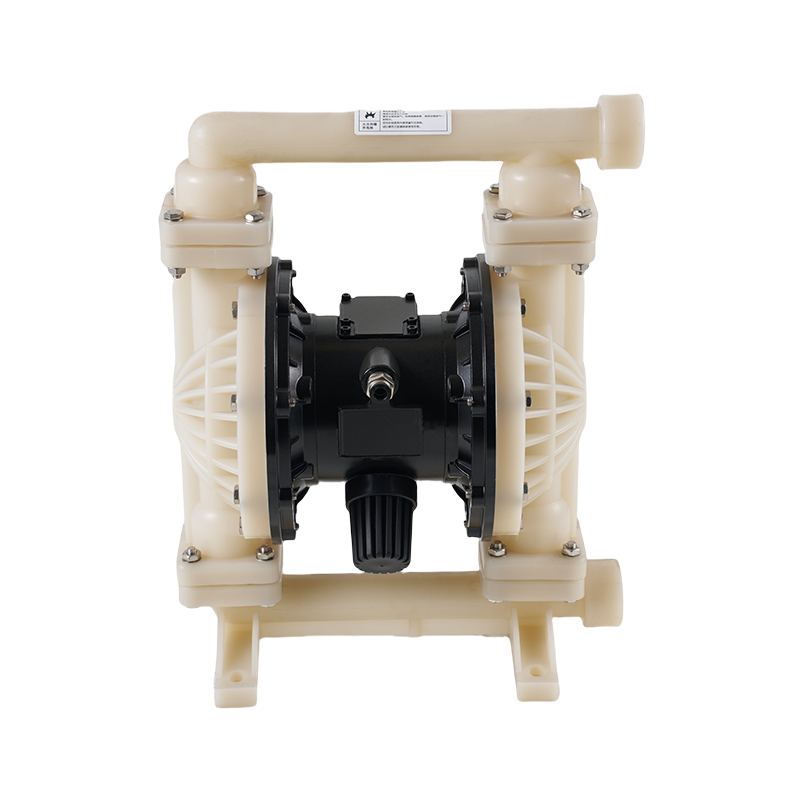
Stainless steel pneumatic diaphragm pump have been drawing genuine attention in applications where dependable fluid movement matters. They run on compressed air and lean on a flexible diaphragm to actually push liquid through the system. That working approach lets them handle a lot of different fluid transfer tasks without leaning on traditional electric drive methods.
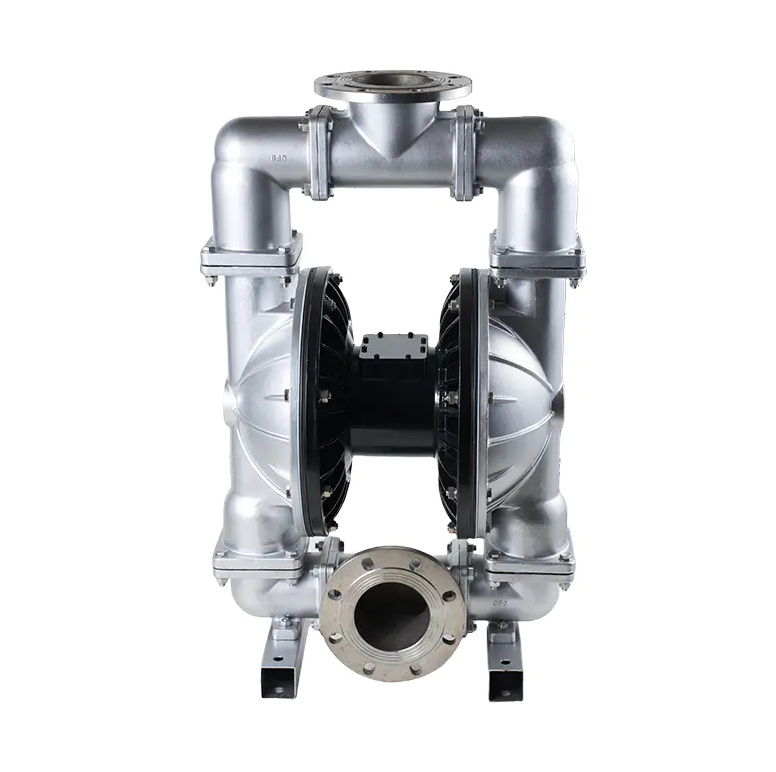
Building these pumps from stainless steel also makes them genuinely suitable for environments where cleanliness, durability, and easy maintenance all matter at once. Their applications show up across chemical processing, food production, water treatment, and general manufacturing.
As industrial fluid handling gets more varied, users are paying closer attention to equipment that can genuinely adapt across different working conditions. Stainless steel diaphragm pumps offer one solid option for building a genuinely more flexible fluid transfer process.
How Do Stainless Steel Pneumatic Diaphragm Pumps Move Fluids?
The basic idea behind a pneumatic diaphragm pump is genuinely simple. It moves fluid from one spot to another through a repeated pumping action.
Compressed air drives the whole thing. Inside the pump, a flexible diaphragm moves back and forth, creating a change inside the pump chamber. Fluid gets drawn in and then pushed toward the discharge side.
That process just keeps repeating as the diaphragm cycles, building a genuinely steady transfer flow that integrates into all kinds of industrial workflows.
Unlike equipment running on a direct electrical drive, pneumatic diaphragm pumps lean on air as their power source instead — giving manufacturers another genuine option when planning out a fluid handling system.
This pumping action works well when liquids need transferring in a controlled, organized way, and it also handles applications where the pump might need to work with a range of different fluids.
That simple working principle is really a big part of why pneumatic diaphragm pumps stay relevant in industrial fluid management.
Why Is Stainless Steel Important for Fluid Transfer Applications?
The material a pump is made from genuinely shapes how it performs on the job. Stainless steel gets picked a lot for fluid handling equipment because it combines durability, cleanliness, and resistance to a lot of common environmental conditions.
Production areas often expose equipment to moisture, cleaning chemicals, or all sorts of different fluids. Stainless steel genuinely helps the pump hold up under those conditions.
Cleanliness matters a lot here too. Some industries genuinely need equipment surfaces that are easy to clean and maintain, and stainless steel fits naturally into production environments where regular cleaning is just part of the daily routine.
The material also genuinely supports longer service life when the pump is properly selected and maintained — particularly useful in facilities where fluid transfer happens constantly.
| Stainless Steel Feature | Relevance to Fluid Transfer |
|---|---|
| Durable Surface | Supports regular industrial use |
| Easy to Clean | Helps maintain cleaner working conditions |
| Resistance to Common Environmental Conditions | Supports use in demanding workplaces |
| Suitable for Different Industries | Provides flexibility across applications |
Picking stainless steel really isn't about appearance at all. It's genuinely tied to the actual conditions the pump will operate under.
How Do Pneumatic Diaphragm Pumps Support Flexible Production Workflows?
Industrial production rarely follows the exact same pattern from one facility to the next. Different liquids demand different handling methods, and production areas often have genuinely different equipment layouts.
Pneumatic diaphragm pumps bring genuine flexibility because they aren't locked into just one type of fluid transfer task. They can slot into systems moving liquid between different parts of a facility with ease.
Their air-powered design also genuinely helps in workplaces where compressed air is already part of the infrastructure, letting manufacturers work the pump into an existing setup rather than building something entirely new.
The compact, adaptable nature of a lot of diaphragm pump designs makes them fit well across different installation arrangements too. Depending on the job, they might transfer liquid from storage containers, feed processing equipment, or move fluid through the production line itself.
That flexibility genuinely helps manufacturers manage workflow needs as they shift.
A production process might involve:
- Moving liquid from storage
- Supplying fluid to a processing area
- Transferring material between containers
- Removing or moving wastewater
- Supporting cleaning and maintenance operations
The same basic pumping concept ends up serving genuinely different purposes across a facility.
Where Are Stainless Steel Pneumatic Diaphragm Pumps Commonly Used?
Stainless steel diaphragm pumps show up across a range of industries, with applications shaped by fluid type, working environment, and production process.
Chemical processing
Chemical facilities often move liquids between different areas, and pumping equipment genuinely needs to fit both the fluid's nature and the surrounding environment.
Stainless steel diaphragm pumps support these operations by offering a genuinely practical way to move liquids through production and handling.
Food and beverage production
Cleanliness matters a lot in food-related production specifically. Equipment needs to be easy to manage and suitable for regular cleaning.
Stainless steel surfaces make these pumps genuinely useful wherever clean working conditions are part of the normal production routine.
Water treatment
Water treatment facilities move water and other liquid materials through multiple stages, and pneumatic diaphragm pumps genuinely support transfer activities within those systems.
Their flexible operation fits a wide range of water management tasks.
General manufacturing
A lot of manufacturing facilities use liquids during production, cleaning, or material handling, and a pneumatic diaphragm pump genuinely supports moving fluids between containers or process areas.
Industrial maintenance
Fluid transfer isn't always tied to the main production line, either. Maintenance teams often need pumps for cleaning, drainage, or other support tasks too.
The ability to run on pneumatic power genuinely adds flexibility across a lot of different industrial environments.
How Can These Pumps Help Manage Different Types of Fluids?
Part of why diaphragm pumps show up across so many industries comes down to how well they handle a range of fluid transfer situations.
Industrial liquids vary a lot. Some are relatively clean, others carry suspended material. Some run thicker than ordinary liquids, and others need genuinely careful handling because of the environment they're used in.
A well-matched diaphragm pump can offer a genuinely practical transfer method across a lot of these applications.
That said, the pump isn't a universal fix-all. Actual fluid characteristics still genuinely need consideration when picking equipment — fluid composition, cleanliness requirements, and operating conditions all shape whether a particular pump actually fits.
That's exactly why proper equipment selection genuinely matters here.
Worth understanding upfront:
- What type of fluid needs to be moved
- Where the fluid comes from and where it needs to go
- How frequently the pump will be used
- What environmental conditions surround the equipment
- What cleaning and maintenance practices are required
Matching the pump to the actual application genuinely builds a more stable fluid handling process.
Why Are Pneumatic Pumps Useful in Industrial Environments?
Industrial environments often run on different energy sources with different equipment arrangements. Pneumatic systems genuinely fit well in facilities where compressed air already exists as part of the production infrastructure.
A pneumatic diaphragm pump can run without leaning on a conventional electric motor as its primary drive, which genuinely gives facilities another option when planning their fluid transfer systems.
The air-powered design also offers genuinely practical advantages in certain working environments. Users often value being able to control fluid movement through pneumatic operation while keeping the pump plugged into an existing setup.
Operational flexibility matters here too. Pneumatic pumps can move around to different areas of a facility depending on the job, helping manufacturers adapt their fluid handling without building an entirely separate system for every single task.
The end result is a genuinely more flexible approach to industrial fluid management overall.
What Should Users Consider When Choosing a Stainless Steel Pneumatic Diaphragm Pump?
Picking a pump should really start with the actual application. The look or general design of the equipment matters a lot less than whether it genuinely fits the working conditions.
Fluid type genuinely matters here. Users should understand what they're actually dealing with before picking a pump — the materials that come into contact with the fluid need to genuinely suit the application.
The working environment counts too. A facility running frequent cleaning cycles has genuinely different requirements than a dry manufacturing area. Temperature, surrounding materials, and general workplace conditions all shape equipment selection.
Maintenance deserves thought as well. A pump that's genuinely easy for staff to inspect and clean makes routine management a lot more convenient.
| Selection Consideration | Question to Ask |
|---|---|
| Fluid Type | Is the pump suitable for the liquid being transferred? |
| Working Environment | Does the material fit the surrounding conditions? |
| Cleaning Needs | Can the equipment be cleaned and maintained conveniently? |
| Installation | Can it fit naturally into the existing workflow? |
| Usage Pattern | Is it suitable for the intended daily operation? |
Good planning upfront genuinely cuts down on unnecessary changes after installation. It also helps manufacturers build a fluid transfer system that genuinely fits their actual production needs.
How Does Proper Maintenance Affect Fluid Transfer Operations?
Even genuinely durable equipment still needs regular care. A pneumatic diaphragm pump works in an environment where fluids, air, and surrounding materials can all affect its condition over time.
Routine inspection genuinely helps catch changes before they turn into bigger operational headaches. Cleaning matters too, particularly when the pump handles fluids that might leave residue behind.
Maintenance work can include checking pump condition, keeping connection areas clean, inspecting components, and following the manufacturer's care guidance closely.
Staff should also stay alert to unusual changes during operation — unexpected noise, shifts in fluid movement, or visible wear can all signal the equipment needs attention.
A simple maintenance routine genuinely makes daily fluid transfer easier to manage. It also supports more stable operation and helps protect the wider production workflow overall.
Stainless steel pneumatic diaphragm pumps keep finding a home wherever industries need genuinely adaptable fluid transfer equipment. Their blend of pneumatic operation, diaphragm movement, and stainless steel construction gives manufacturers another genuine approach to managing liquids across production, processing, cleaning, and water handling work. As industrial workflows keep getting more varied, equipment that fits different fluid management needs remains a genuinely important part of modern production planning.

Copyright © Zhejiang Zhanbo Diaphragm Pump Manufacturing Co., Ltd.

OEM/ODM Diaphragm Pump Manufacturer