

 русский
 Español
 عربى
عربى

 Home / Blogs / Industry News / Lined Pneumatic Diaphragm Pump: The Backbone of Corrosive Chemical Transfer
 Lined Pneumatic Diaphragm Pump: The Backbone of Corrosive Chemical Transfer
 2026.07.24
 Industry News
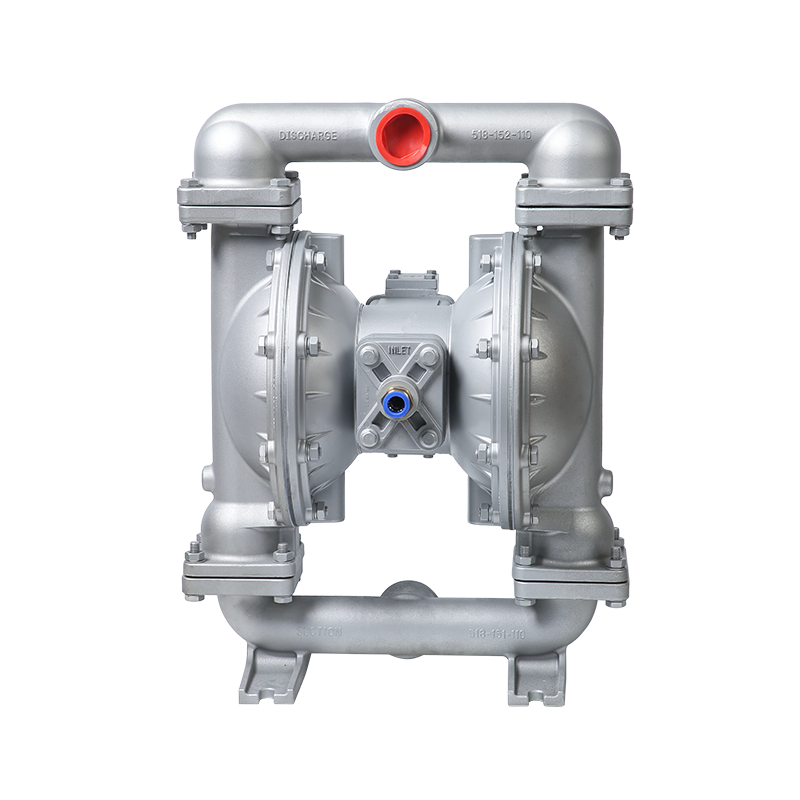
Chemical processing plants face a constant battle against corrosion. Acids. Caustics. Oxidizers. Solvents. Without proper fluid isolation, it is a premature pump failure. A lined pneumatic diaphragm pump addresses this challenge through a protective barrier. It separates aggressive media from the structural housing. It extends equipment life significantly. It makes replacement more economical and maintenance more predictable.
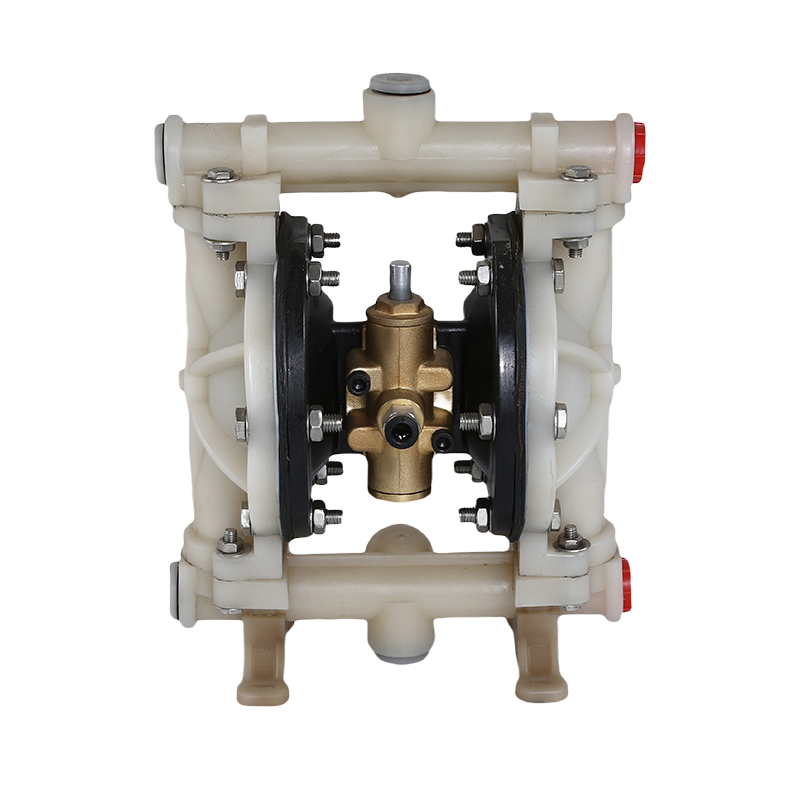
The Core Principle: Isolation Through Lining
The liner acts as a sacrificial barrier
The pump features two distinct material layers. The outer housing is cast iron or aluminium, providing mechanical strength. The internal surface carries a bonded liner of fluoropolymer, rubber, or polypropylene. The liner contacts the process fluid. The housing never sees the aggressive media.
The housing provides structural support at lower cost
Unlined pumps must be manufactured entirely from expensive alloys. A lined pneumatic diaphragm pump uses cost-effective base materials. The liner provides the chemical resistance. The housing provides structural integrity. The pump price is significantly more accessible.
Critical Components of the Lining System
Liner material selection determines chemical compatibility
PTFE and PFA handle bad acid resistance. EPDM and Neoprene suit mild chemicals and abrasives. Polypropylene works for intermediate applications. The liner is formulated for the specific operating temperature and pressure.
Bond integrity ensures long-term reliability
The liner is bonded using adhesives or moulded-in retention. The bond must withstand temperature and pressure cycling without delamination. Fluid does not seep between liner and housing. The pump maintains its integrity over years of service.
Here is what a typical lined pump configuration includes:
- Liner materials: PTFE, PFA, EPDM, Neoprene, Polypropylene
- Housing materials: cast iron, ductile iron, aluminium
- Liner thickness: 3mm to 8mm
- Temperature range: -40°C to +180°C depending on liner
- Pressure rating: up to 10 bar
Application Areas Where Lined Pumps Deliver Value
Mineral processing
Facilities transfer sulfuric and hydrochloric acids for leaching operations. A lined pneumatic diaphragm pump handles these aggressive media. The PTFE liner resists attack. The iron housing provides strength at low cost.
Water and wastewater treatment
Plants dose sodium hypochlorite, caustic soda, and ferric chloride. A lined pneumatic diaphragm pump prevents pitting and stress corrosion. The liner maintains its integrity over years of exposure.
Chemical manufacturing
Operations handle solvents and oxidizers. A lined pneumatic diaphragm pump adapts to changing process conditions. The liner material can be swapped without replacing the housing.
Selection Criteria for Plant Engineers
Verified bond strength
A lined pneumatic diaphragm pump should have documented bond strength testing. Peel strength or shear strength data confirms the integrity. The manufacturer provides these records with each pump series.
Permeation resistance data
Chemicals diffuse through liner thickness over time. A lined pneumatic diaphragm pump provides permeation data for the intended service. The liner material is selected for low permeability. Fluid does not reach the housing.
Field-replaceable design
A lined pneumatic diaphragm pump includes a documented procedure. The replacement liner is available as a spare part. The pump returns to service quickly. Maintenance teams complete the work without special tools.
A lined pneumatic diaphragm pump determines whether a chemical transfer system operates for years with predictable costs or fails within months. Choose a pump with proven bond strength, validated permeation resistance, and field-replaceable design. Your aggressive fluids will be contained. Your equipment investment will be protected. That is the purpose of a lined pneumatic diaphragm pump. To make corrosive transfer durable and cost-effective.
Copyright © Zhejiang Zhanbo Diaphragm Pump Manufacturing Co., Ltd.

OEM/ODM Diaphragm Pump Manufacturer