

 русский
 Español
 عربى
عربى


Small Air Diaphragm Pump Solutions for Flexible Fluid Handling
 2026.07.21
 Industry News
Fluid handling plays an important role in many industries, although it is often hidden behind the main production process. From moving liquids between containers to supporting different stages of manufacturing, pumps help keep daily operations running smoothly.
As working environments continue to change, the demand for flexible equipment has increased. Many facilities no longer follow a single fixed process. Different liquids may be used in the same area, production plans may change, and equipment may need to support more than one task.
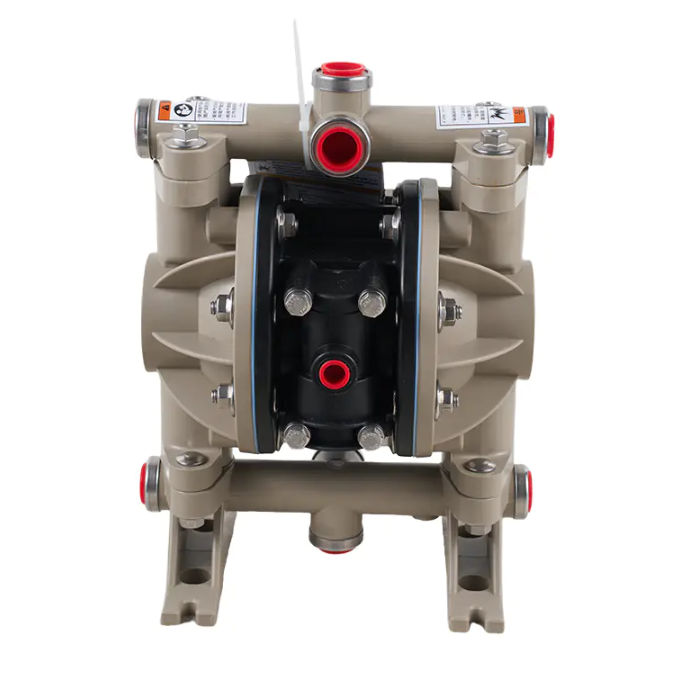
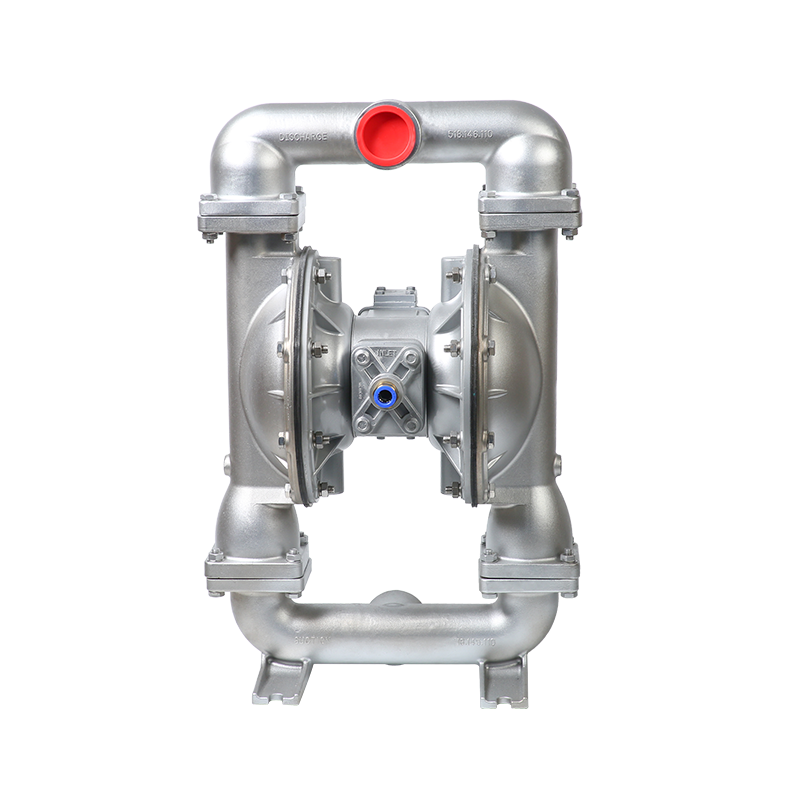
Small air diaphragm pumps have become a practical option for these situations. Their compact structure allows them to fit into different working spaces, while their operating method supports a wide range of fluid handling needs.
Rather than being limited to one application, these pumps are often used in places where adaptability matters. They can support transfer work, cleaning activities, production assistance, and other processes where liquid movement is required.
Why is small air diaphragm pump suitable for flexible working environments?
Factory work layouts shift constantly. A production zone's daily running needs rarely stay fixed long term. New raw materials, revised job sequences and shifting client orders all alter how machinery gets put to use.
Factory owners seek machinery that can shift alongside their changing workflows. Single-purpose pumps restrict operations once production steps get adjusted.
Small air diaphragm pumps fill this gap well. They are built for sites that require adaptable equipment. Their tiny frame lets workers set them up in various spots, and they handle many different liquid transfer jobs without extra modifications.
Work floors rarely have endless spare space. Large machinery demands careful layout planning before installation. Compact pump units slot into tight zones that need every inch of space put to good use.
This advantage stands out for small production workshops, repair bays and facilities that rearrange their machine setup regularly.
These pumps also draw interest for their multi-task capability. Operations teams skip buying separate machines for each separate job, relying on one pump to cover multiple liquid handling work.
This setup lightens daily equipment management and lets staff arrange their work routines without rigid limits.
How does the compact structure improve practical use?
The overall size of pumping gear changes how well it fits around existing work setups. Smaller pumps leave more room to pick installation spots without heavy compromises.
Most fluid transfer spots sit in tight corners. They sit next to storage racks, production lines or regular work benches. Compact pump units mount right beside the spot liquid needs to move from.
Work sequences run far smoother this way. Staff do not have to rearrange the whole work zone just to fit pumping hardware.
Their small build also makes moving them around simple. Some liquid transfer jobs only run for a single production step. Gear that shifts and reposition easily works great for these short-term tasks.
Day-to-day upkeep plays a part too. All key parts sit easy to reach, so regular inspections and minor tweaks take less time. This cuts down unplanned pauses during regular shifts.
A smaller frame does not restrict what the pump can handle. Shops across many fields choose compact pumping tools because they fit changing jobs without wasting valuable floor space.
How do small air diaphragm pumps support different fluid handling tasks?
Different industries have different fluid movement requirements. Some processes involve simple transfer, while others require equipment that can support changing conditions.
Air diaphragm pumps are used in many situations because they can assist with various types of fluid movement.
Common applications include:
| Application Area | Common Usage |
|---|---|
| Liquid transfer | Moving liquids between containers or storage areas |
| Cleaning processes | Circulating washing and rinsing fluids |
| Surface treatment | Supplying coating or treatment materials |
| Production support | Helping deliver liquids during processing |
| Water handling | Supporting movement in related systems |
These applications show how flexible pumping solutions can support different industries. The same type of equipment may be used for different purposes depending on the needs of each facility.
For some businesses, reducing the number of different machines required is an important consideration. Equipment that can handle multiple roles may help make operations easier to organize.
How do these pumps handle different types of liquids?
Liquids can vary greatly during industrial processes. Some are easy to transfer, while others may have different textures or require more careful handling.
A flexible pump needs to respond to these differences without making operation difficult.
Small air diaphragm pumps are commonly used in environments where fluid conditions may change. Their working method allows them to support different liquid movement requirements.
| Fluid Situation | How the Pump Typically Reacts |
|---|---|
| Light liquids | Provides smooth and continuous movement |
| Thick mixtures | Maintains transfer with adjustments |
| Mixed fluids | Handles changes in consistency during operation |
| Sensitive fluids | Reduces direct interaction with internal components |
This ability helps users manage changing processes more easily. Instead of changing equipment whenever the liquid type changes, businesses can continue using a suitable pumping solution.
The result is a more flexible working process where equipment can follow operational needs.
What role does air-driven operation play in daily use?
How a pump gets powered shapes its performance across different work areas. Air-powered pumping units move liquid unlike most electric alternatives on the market.
Compressed air fuels the pump, letting users tweak flow to match on-site needs. Output shifts freely to fit tasks that change from one shift to the next.
Liquid never touches the pump's core driving hardware. This physical divide lets the unit process many liquid types without wearing down key internal parts quickly.
People running the equipment spend less time correcting issues mid-process across different production steps.
Basic air control rules make training new staff quick. Once crew members learn how air pressure alters flow, they handle the pump without second-guessing each adjustment.
Why are these pumps useful for changing production demands?
No factory runs on fully fixed production requirements. Factories shift run times, swap raw materials, or roll out brand-new processing steps on a regular basis.
Machinery able to keep up with these shifts delivers more real value to every operation.
Small air diaphragm pumps fit work zones that constantly shift their daily tasks. They work across multiple production phases without forcing full overhauls of existing piping and setups.
A single unit might move liquid materials for one production step, then get repurposed to flush and clean equipment later on. This capacity to switch roles fits facilities that do not stick to unchanging processing routines.
Versatile pumping gear also grows alongside expanding operations. As output scales up, the demand for multi-use machinery grows stronger. Tools that switch between different jobs stay functional even after site layouts and material lines get reworked.
How do small air diaphragm pumps fit into modern industrial trends?
Modern industries are paying more attention to flexibility, space use, and easier management. Equipment is expected to support changing needs without adding unnecessary complexity.
Air diaphragm pumps match this direction because they provide a practical approach to fluid handling.
Their compact structure helps save working space. Their adaptable operation supports different applications. Their ability to fit into existing systems makes them suitable for many environments.
Another important trend is the search for simpler workflows. Businesses often prefer equipment that can support several tasks instead of requiring separate solutions for every situation.
This helps reduce management pressure and allows teams to focus on daily operations.
As industries continue to develop, flexible fluid handling equipment will remain an important part of many processes. Small air diaphragm pumps represent a practical choice for workplaces that need reliable support while maintaining the ability to adjust.
Copyright © Zhejiang Zhanbo Diaphragm Pump Manufacturing Co., Ltd.

OEM/ODM Diaphragm Pump Manufacturer