

 русский
 Español
 عربى
عربى

 Home / Blogs / Industry News / Pneumatic Diaphragm Pump Factories Connect Pump Design With Fluid Handling Needs
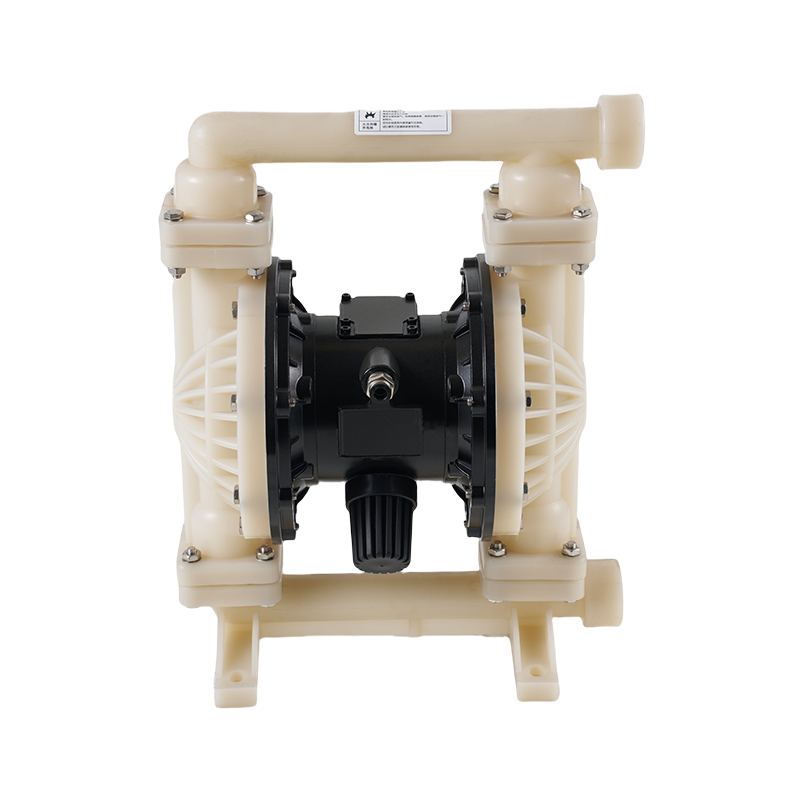
 Pneumatic Diaphragm Pump Factories Connect Pump Design With Fluid Handling Needs
 2026.09.08
 Industry News
Industrial fluid handling rarely follows a simple pattern. A factory may need to move a clean liquid in one area and handle a thicker or more difficult material somewhere else. Different production lines can also place different demands on the same type of pump.
This is where the relationship between a Pneumatic Diaphragm Pump Factory and the end user becomes important. Pump design cannot be separated from the fluid being handled. The condition of the liquid, the working environment, the movement route, and the way operators use the equipment can all influence the choice of pump.
A pump may look suitable from a product catalog, yet the actual application can tell a different story. A fluid may contain particles. A material may change in consistency during production. A process may require frequent starting and stopping. A factory environment may also make certain operating methods more practical than others.
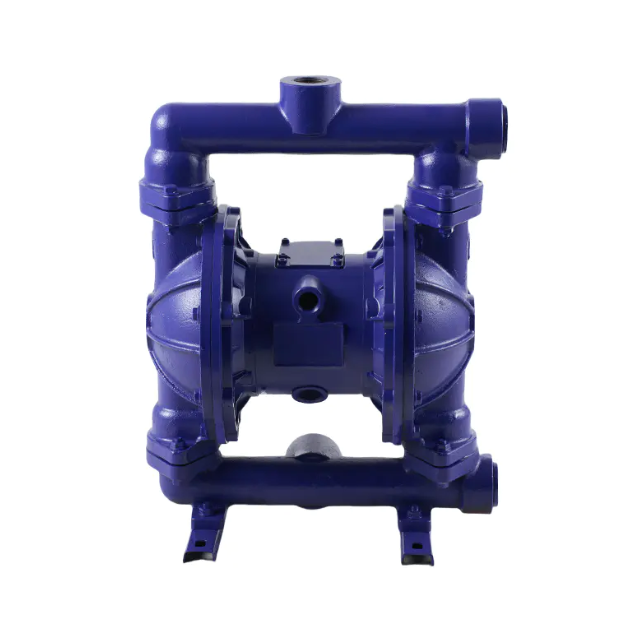
Pneumatic Diaphragm Pump Factories are therefore taking a broader view of pump development. Instead of focusing only on the pump itself, manufacturers can consider how the equipment fits into a complete fluid handling task.
This shift creates more room for communication between manufacturers, engineers, purchasing teams, and operators. The conversation becomes less about choosing a product name and more about understanding what the pump needs to do.
Why Does Pump Design Need to Reflect Fluid Handling Needs?
Every fluid has its own behavior. Some liquids move easily. Others may be thick, contain suspended material, or need careful handling. The same pump design may not be suitable for every situation.
A Pneumatic Diaphragm Pump Factory can consider these differences when discussing a project with a customer. Instead of starting with a fixed product, the manufacturer can begin with questions about the material and the working process.
The application may determine several important design considerations:
- Fluid condition: The manufacturer needs to understand what type of material will be transferred.
- Handling environment: The surrounding conditions can influence material and component choices.
- Transfer purpose: Moving material between containers may create different needs from feeding a production process.
- Operating routine: Frequent operation changes may require a different approach from occasional use.
- Maintenance expectations: Easy access and practical servicing can matter during long-term use.
- Installation space: The available working area can influence how equipment is positioned.
These details help manufacturers connect the pump with the actual job.
The result is a more application-oriented approach. Rather than asking only whether a pump can move a fluid, users can ask whether the overall design fits the way their operation works.
How Can a Pneumatic Diaphragm Pump Factory Understand Different Fluid Applications?
A useful pump discussion starts with the fluid. The material being transferred is not just something that passes through the equipment. It is part of the design decision.
For example, a chemical processing facility may handle liquids that require careful material selection. A wastewater operation may deal with fluid containing unwanted particles. A food processing facility may have different requirements related to product handling and cleaning.
A factory that understands these differences can communicate more effectively with customers.
| Fluid Handling Application | Common Concern | Possible Pump Design Focus |
|---|---|---|
| Chemical Processing | Material compatibility | Consider suitable materials for the application |
| Wastewater Handling | Fluid may contain suspended material | Consider a pump arrangement suited to the fluid condition |
| Paint and Coating Production | Material consistency can vary | Focus on controlled and practical fluid transfer |
| Food Processing | Product handling and cleaning | Consider application-specific product requirements |
| Ceramic Processing | Slurry may be difficult to move | Consider suitable components and pump structure |
| General Manufacturing | Different fluids may be used across production | Support flexible application planning |
| Liquid Transfer | Material needs to move between locations | Consider connection, placement, and operating needs |
| Industrial Cleaning | Fluids and cleaning routines may vary | Consider material and maintenance requirements |
This does not mean manufacturers can make one universal design for every fluid. Each application still needs proper evaluation.
The value comes from understanding the differences. A manufacturer that asks about the actual material, working environment, and process can offer more useful guidance than one that treats every request in the same way.
Can Pump Design Adapt to Different Industrial Environments?
Industrial environments are rarely identical. A pump used in a production workshop may face different conditions from equipment installed near a wastewater treatment area.
Space can be limited. Operators may need quick access to equipment. Some work areas may involve frequent cleaning. Others may have heavy production activity around the pump.
These conditions can influence how the equipment should be arranged.
Pneumatic Diaphragm Pump Factories can discuss installation and operating conditions before production. This allows the manufacturer to understand where the pump will be placed and how workers will interact with it.
Several practical factors can be considered:
Available space
The pump should fit naturally into the intended working area.
Connection layout
Fluid lines and related equipment need to work together without creating unnecessary difficulties.
Operator access
Workers may need to inspect or service the equipment during normal operations.
Working environment
The surrounding area can influence material and product selection.
Cleaning requirements
Some applications require regular cleaning, making accessibility an important consideration.
These factors may seem separate from pump performance. In practice, they are part of the same conversation.
A pump that fits the fluid but creates problems for installation or daily handling may not be a practical choice. Product design therefore needs to consider the complete working environment.
What Role Does Material Selection Play in Pump Development?
Material selection is closely connected with fluid handling. A component that comes into contact with a particular fluid needs to be considered carefully.
The right choice depends on the application. Chemical fluids, cleaning agents, food-related materials, wastewater, and industrial liquids can create different requirements.
Pneumatic Diaphragm Pump Factories can help customers compare material options based on the intended use. This discussion can include the fluid itself, operating conditions, expected service routine, and maintenance practices.
Material selection may influence:
- Contact with the transferred fluid.
- Resistance to the surrounding working conditions.
- Expected service requirements.
- Cleaning and maintenance routines.
- Product durability.
- Compatibility with the intended application.
It is important to avoid treating material selection as a simple purchasing decision. A lower initial cost does not automatically make a material appropriate for a particular application.
At the same time, manufacturers should avoid making broad claims that one material is suitable for every situation. Proper application review remains necessary.
This is another reason why communication between the customer and the factory matters. The more clearly the application is explained, the easier it becomes to discuss suitable choices.
How Can Manufacturers Support More Application-Specific Pump Design?
Customization does not always mean creating an entirely new pump. It can involve adjusting selected parts of a product or developing a configuration that better matches the user's working conditions.
A Pneumatic Diaphragm Pump Factory may receive requests from different industries with different fluid handling needs. One customer may care about compact installation. Another may need a design that fits an existing production system.
The development process can therefore include several stages:
Application Discussion → Product Review → Material Selection → Design Adjustment → Sample Evaluation → Production Planning
This approach allows the customer and manufacturer to communicate before the final production stage.
The application discussion is especially useful. Customers can explain what they are transferring, where the pump will be installed, how often it will operate, and what difficulties they have experienced with existing equipment.
Manufacturers can then identify areas that may need closer attention.
This type of cooperation can also help avoid unnecessary customization. Not every project needs a completely different product. Sometimes the existing design is suitable once the application is properly understood.
The goal is to match the equipment with the real task rather than add changes simply for the sake of customization.
Could Better Communication Improve Pump Selection?
Pump selection is often treated as a purchasing task. A buyer compares products and chooses one that appears to fit the requirement.
In industrial applications, the decision can be more involved. Purchasing teams may not always know every detail about the fluid handling process. Operators may understand the daily problems better. Engineers may focus on system integration. Manufacturers may understand the production side.
Bringing these perspectives together can improve communication.
A useful discussion may cover:
| Question | Why It Matters |
|---|---|
| What fluid will be transferred? | Helps identify application requirements |
| Where will the pump be installed? | Supports practical installation planning |
| How will the pump be used? | Helps match the design with the operating routine |
| Who will operate the equipment? | Helps consider handling and maintenance needs |
| What problems exist with current equipment? | Can reveal areas for improvement |
| What materials will contact the fluid? | Supports material selection |
| How will the equipment be cleaned? | Helps address maintenance considerations |
| What other equipment is connected to the pump? | Supports better system coordination |
This type of conversation can make pump selection more informed.
It also changes the role of the manufacturer. Instead of simply receiving an order, the factory becomes part of the technical discussion surrounding the application.
The customer still makes the final purchasing decision. The manufacturer provides information and production experience that can support that decision.
Where Can Pneumatic Diaphragm Pump Factories Add Value Beyond Manufacturing?
Manufacturing remains the central role of a factory, but customers may need more than a finished pump.
Product development, material selection, application discussion, prototype evaluation, production planning, and after-sales communication can all influence the customer experience.
A factory with a broader service approach may work with customers at different stages of a project.
For new equipment, the manufacturer may discuss the intended application before production. For an existing system, the manufacturer may review a replacement requirement. For a customized project, the factory may communicate with the design team about component changes.
This creates several possible areas of cooperation:
- Application consultation: Understanding what the pump needs to handle.
- Product development: Adjusting the design around specific application requirements.
- Material discussion: Reviewing material options for the intended fluid.
- Sample development: Allowing customers to assess a proposed solution.
- Production planning: Organizing manufacturing around the agreed design.
- Technical communication: Keeping product and application information clear.
- Maintenance support: Helping users understand routine care requirements.
Such services do not replace the responsibility of the end user to assess whether a product is appropriate. They create a clearer communication path.
This can be particularly useful when a pump is part of a larger production system.
Should Buyers Consider the Factory When Choosing a Diaphragm Pump?
The pump itself is only part of the purchasing decision. The manufacturer's ability to understand the application can also matter.
A customer may have a straightforward requirement and need only a standard product. Another customer may have a difficult fluid, an unusual installation area, or a developing production process.
The two situations call for different levels of supplier involvement.
When evaluating a Pneumatic Diaphragm Pump Factory, buyers can look at several practical areas:
Application understanding
Does the supplier ask relevant questions about the fluid and working environment?
Product range
Can the manufacturer provide suitable options for different fluid handling situations?
Customization ability
Can the factory discuss reasonable design adjustments when necessary?
Material knowledge
Can the supplier explain why certain material choices may suit different applications?
Communication
Can the manufacturer communicate clearly with purchasing, engineering, and operating teams?
Production support
Can the factory maintain communication when a design needs to change?
After-sales cooperation
Can users receive practical information about operation and maintenance?
These points can help buyers look beyond a simple product comparison.
The connection between pump design and fluid handling needs is becoming more important as industrial processes become more varied. A pump is expected to fit not only the fluid but also the working environment, installation arrangement, maintenance routine, and production goals.
For Pneumatic Diaphragm Pump Factories, this creates a wider role in the product development process. Understanding the application can influence material selection. Manufacturing experience can inform design decisions. Communication with users can reveal practical needs that may not appear on a product drawing.
The conversation is therefore moving from "Which pump should we buy?" toward a more useful question: "How should the pump be designed and selected for the work it needs to perform?"
Copyright © Zhejiang Zhanbo Diaphragm Pump Manufacturing Co., Ltd.

OEM/ODM Diaphragm Pump Manufacturer