

 русский
 Español
 عربى
عربى

 Home / Blogs / Industry News / China Aluminum Alloy Pneumatic Diaphragm Pump Manufacturer: Power Without Sparks, Weight Without Sacrifice
 China Aluminum Alloy Pneumatic Diaphragm Pump Manufacturer: Power Without Sparks, Weight Without Sacrifice
 2026.09.04
 Industry News
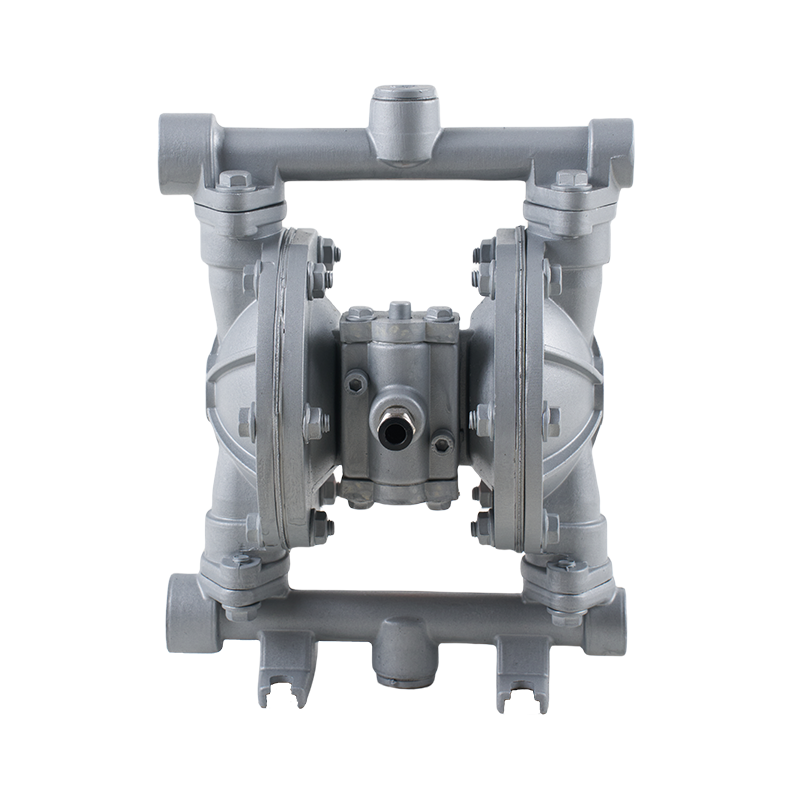
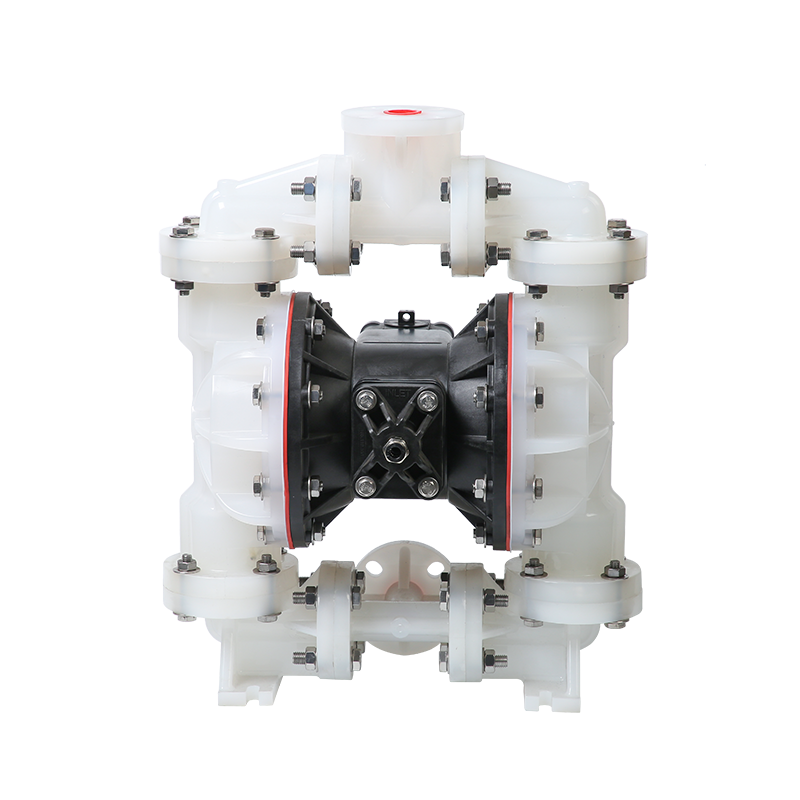
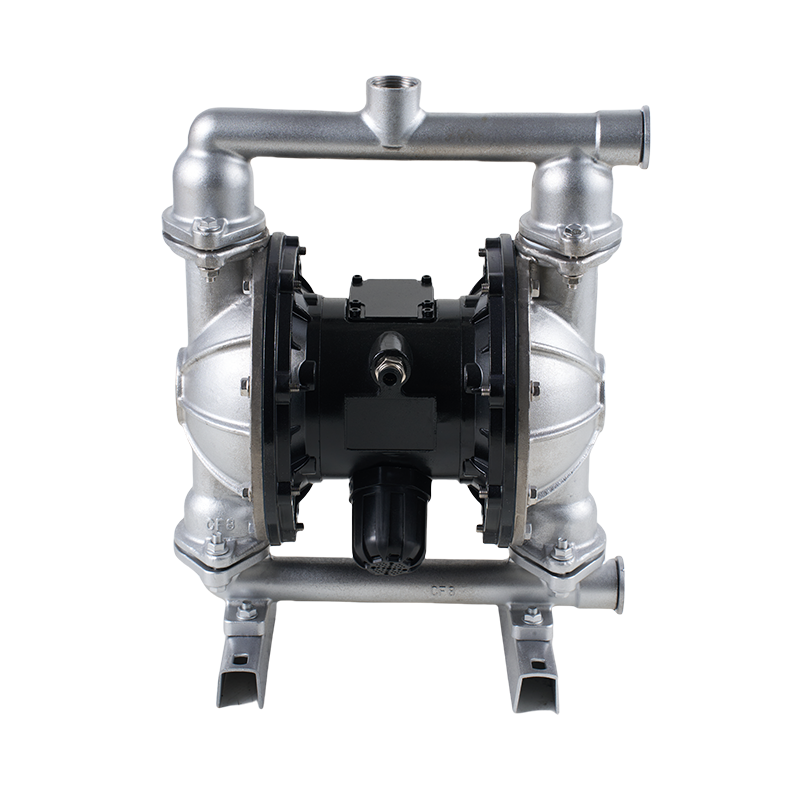
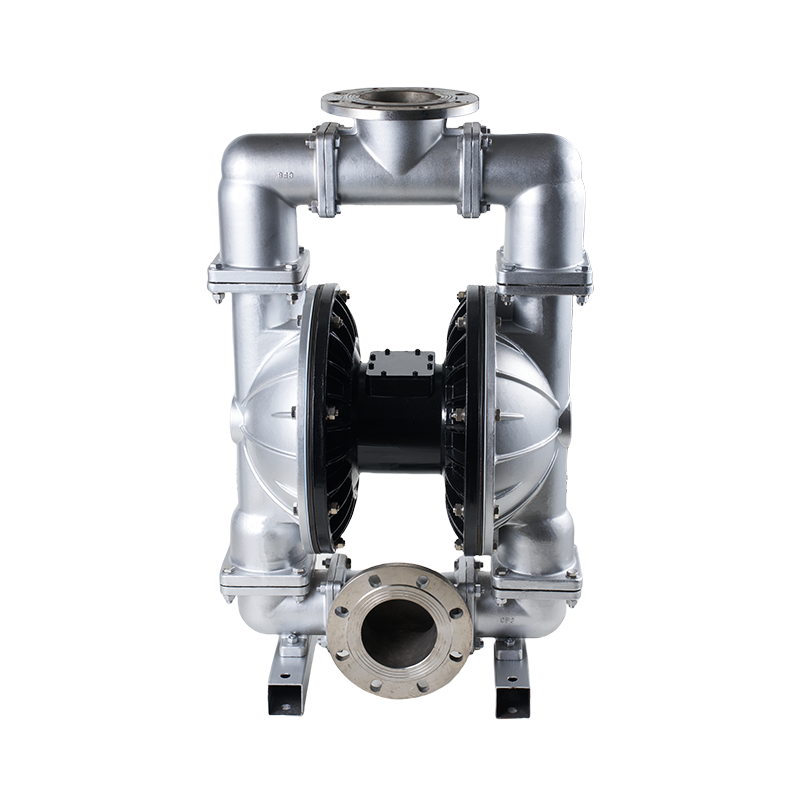
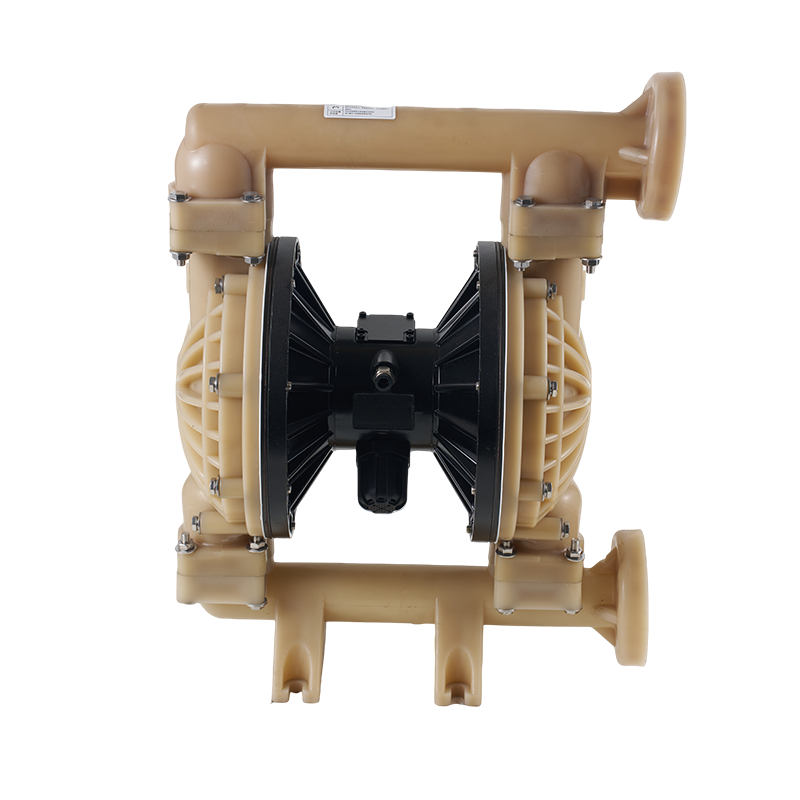
Walk into any paint booth, chemical plant, or wastewater facility. Look at the pumps moving solvents, slurries, or adhesives. They're running on compressed air—no electricity, no sparks, no seals to leak. And if they're lightweight and corrosion-resistant, they're cast from aluminum alloy. Behind every reliable unit stands a China aluminum alloy pneumatic diaphragm pump manufacturer, a shop that turns molten metal and machined parts into pumps that handle acids, paints, and sludges without motors, without ignition risks, and without shaft leaks.
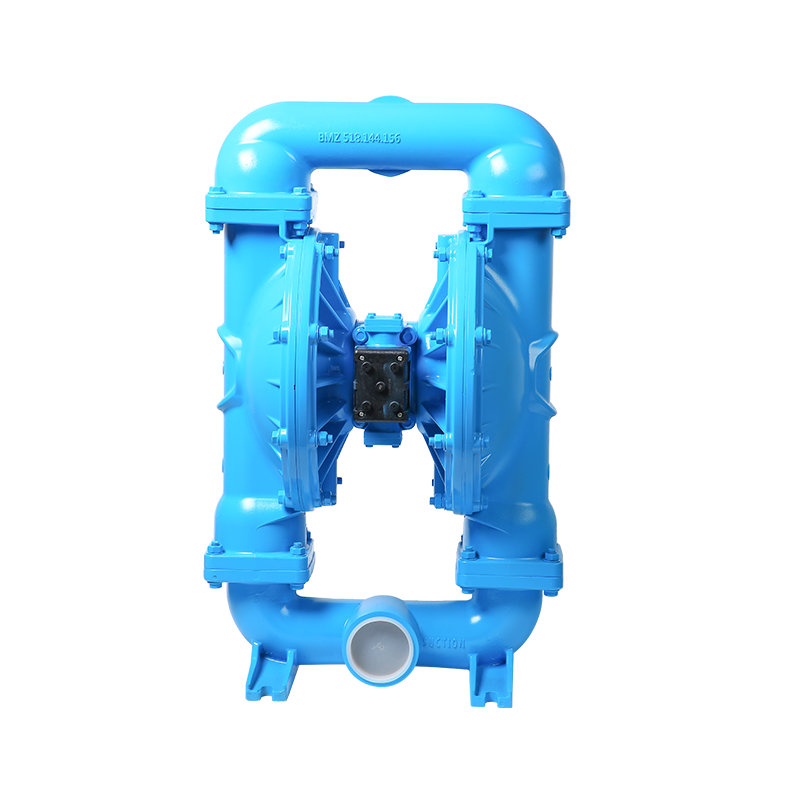
Why This Pump Design Wins Every Time
Electric motors spark—compressed air doesn't
In explosive environments—fuel depots, paint mixing rooms, solvent storage—one spark ignites vapors. Pneumatic pumps run entirely on air. No electrical connection, no arcing contacts, no ignition source. The pump keeps running while everything else is grounded and purged.
Centrifugal pumps choke on thick fluids
Slurries, adhesives, and pastes clog impellers. Shear-sensitive fluids degrade under high-speed rotation. A diaphragm pump moves fluid gently—two flexible membranes alternately suck and push, handling viscous materials without destroying their structure.
No rotating shaft means no seal to replace
Shaft seals wear, drip, and fail. A diaphragm pump has no shaft passing through the fluid chamber. The diaphragms isolate the fluid completely. No leaks, no drip pans, no environmental fines.
Aluminum Alloy: The Right Material for the Job
Light enough to carry, strong enough to hold pressure
Cast iron pumps weigh over 50 kilograms for a 1-inch model. Aluminum alloy drops that to under 20 kilograms. A China aluminum alloy pneumatic diaphragm pump manufacturer machines thinner walls while maintaining pressure ratings—technicians move these pumps between stations without forklifts or team lifts.
Rust-resistant without the stainless price tag
Aluminum forms a protective oxide layer. It handles water, oils, solvents, and mild acids. Stainless steel offers broader compatibility but costs triple. For paints, inks, coolants, and wastewater, aluminum does the job at a fraction of the cost.
Cooler running under continuous duty
Aluminum dissipates heat faster than iron or steel. Pumps running hot fluids stay cooler, extending diaphragm and valve life.
What Goes Inside the Pump
The diaphragms—made for your fluid
Diaphragms flex millions of times. A China aluminum alloy pneumatic diaphragm pump manufacturer offers:
- PTFE for aggressive solvents and acids;
- Neoprene for oils and petroleum;
- Buna-N for water and coolants;
- EPDM for hot water and steam condensate.
The check valves—keeping flow one-way
Each pump has four valve balls or flaps—two inlet, two outlet. Ceramic balls handle abrasive slurries. Stainless balls stand up to high pressure. Rubber-coated balls seal tightly against soft seats.
The air spool—shifting air back and forth
The spool directs air to one diaphragm while exhausting the other. It shifts every cycle—millions of times per year. A China aluminum alloy pneumatic diaphragm pump manufacturer hard-coats the spool and bore to prevent wear. Cheap versions stick and stop pumping.
The manifolds—threads that must seal
Inlet and outlet ports come in NPT, BSP, or flange. Threads must be machined clean and deep. Shallow threads cause fittings to leak or blow off under pressure.
Where You Find These Pumps Working
Automotive paint lines
Solvent-based paints transfer from drums to spray guns. Aluminum bodies resist the solvents. Air motors produce no sparks. Color changes are fast—flush the pump, switch drums, keep spraying.
Chemical batch reactors
Acids and caustics move from storage to mixing tanks. PTFE diaphragms and valves handle aggressive fluids. The aluminum body stays outside the tank, handling only splashes and fumes.
Wastewater treatment plants
Thick sludge and oily skimmings get pumped to settling tanks. Oversized fluid passages prevent clogging. Aluminum resists the humid, corrosive atmosphere better than steel.
Food processing lines
Juices, syrups, and liquid sugars move from mixers to fillers. FDA-compliant diaphragms and quick-disconnect fittings meet sanitary standards. Aluminum bodies don't rust, and polished surfaces clean easily.
What Separates Good from Bad
Casting quality
A serious China aluminum alloy pneumatic diaphragm pump manufacturer tests incoming alloy for silicon, magnesium, and copper content. Impurities cause porosity—leaks and cracks. Cheap factories skip testing and ship weak castings.
Machining precision
Diaphragm clamping surfaces and valve seats must be flat within hundredths of a millimeter. Poor machining means air bypass, reduced flow, and premature failure.
Diaphragm life
Good diaphragms last 12 months or more in continuous service. Mediocre ones crack in three months. Ask the manufacturer for cycle-life data. If they can't provide it, they don't know—or they don't want you to know.
Spare parts availability
A reliable manufacturer stocks diaphragms, valve kits, and spool assemblies for ten years. They provide drawings and rebuild videos. A bad one disappears after the sale, leaving you with an orphan pump.
Certifications
- ATEX or IECEx for explosive atmospheres;
- FDA compliance for food contact;
- CE marking for Europe;
- ISO 9001 for quality management.
An China aluminum alloy pneumatic diaphragm pump manufacturer isn't just pouring aluminum and bolting parts together. They're solving real problems—moving flammable fluids without sparks, transferring thick sludges without clogging, and keeping operations running without seal failures. The good ones control their alloy quality, machine tight tolerances, offer material options for every fluid, and provide long-term support. The bad ones cut corners on casting, skimp on testing, and disappear when you need replacement parts. Choose a manufacturer that treats every pump like it's going to run for a decade—because for many users, it will have to.
Copyright © Zhejiang Zhanbo Diaphragm Pump Manufacturing Co., Ltd.

OEM/ODM Diaphragm Pump Manufacturer