

 русский
 Español
 عربى
عربى

 Home / Blogs / Industry News / Where Can Small Air Operated Diaphragm Pumps Offer Practical Advantages in Industrial Workspaces
 Where Can Small Air Operated Diaphragm Pumps Offer Practical Advantages in Industrial Workspaces
 2026.09.01
 Industry News
Industrial workplaces often contain equipment that needs to move liquids from one place to another. The liquid may be part of a production process, a cleaning task, a transfer operation, or routine equipment handling.
The pump selected for this work can influence how easily a process fits into the available workspace. Electrical power, available floor area, the type of liquid being moved, and the surrounding working conditions can all affect the choice.
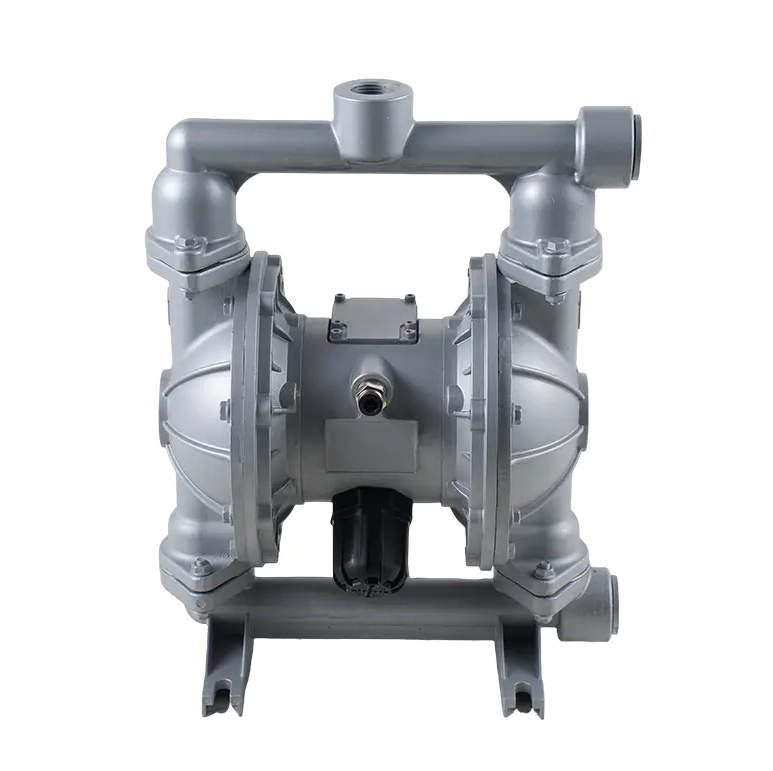
Air operated pumps are one option used in industrial fluid handling. They use compressed air as the driving source rather than relying directly on an electric motor. This can make them useful in work areas where electrical equipment is not the convenient choice.
The practical value of an air operated pump is not limited to one industry. Its usefulness depends on the work environment, the liquid being handled, and the way the equipment needs to fit into an existing workflow.
Where Can Air Operated Pumps Fit Into Industrial Workspaces?
Air operated pumps can be found in many areas where liquid transfer is part of routine work.
Their applications can include production areas, material handling spaces, maintenance zones, workshops, and process support areas. The pump may be used to move liquid between containers, feed a process, transfer material during cleaning, or support other equipment.
The following table shows several common workplace situations.
| Industrial Workspace | Potential Pump Application |
|---|---|
| Production Area | Moving liquid between process stages |
| Maintenance Workshop | Transferring fluids during equipment servicing |
| Chemical Handling Area | Moving suitable liquids between containers |
| Cleaning Area | Supporting liquid transfer during cleaning work |
| Material Handling Zone | Moving liquids from storage to another location |
| Processing Facility | Feeding or transferring suitable process liquids |
| Small Workshop | Handling liquid where installation space is limited |
| Utility Area | Supporting routine fluid movement tasks |
The actual suitability of an air operated pump depends on the product instructions and the characteristics of the liquid involved.
A pump should not be selected simply because it is powered by air. The application needs to be considered as a whole.
Why Can Air Power Be Useful in Certain Industrial Environments?
The power source is one of the main reasons air operated pumps attract attention.
Many industrial facilities already use compressed air for other equipment. When an air supply is available, a pump can potentially fit into the existing work environment without depending on a separate electrical motor.
This can be useful in workspaces where electrical equipment needs to be limited or where operators prefer to keep the pump arrangement simple.
The air-driven approach can also provide flexibility when equipment needs to be moved between different work areas.
For example, a maintenance team may work in different sections of a facility. A compact pump that can be connected to an available air source may be easier to integrate into changing tasks than equipment that requires a fixed electrical installation.
The benefit comes from the relationship between the pump and the workplace.
If compressed air is already part of the facility, an air operated pump may fit naturally into the existing workflow. If there is no suitable air supply, another pump arrangement may make more sense.
How Can Air Operated Pumps Help in Areas With Limited Electrical Access?
Some industrial spaces are not designed around convenient access to electrical equipment.
A production area may have machines arranged closely together. A maintenance space may be located away from fixed power points. A temporary work area may change from one task to another.
In these situations, the ability to use compressed air can offer practical flexibility.
An air operated pump does not need to rely on an electric motor at the pump itself. This can reduce the need to position the pump near a dedicated electrical connection.
That does not mean electrical considerations disappear from the workplace. The air supply system itself needs to be suitable for the equipment.
The important point is that the pump can be integrated into a different type of utility network.
This can be helpful in facilities where compressed air is already available throughout several work areas.
It can also support temporary fluid transfer tasks. Workers may be able to relocate the pump to the area where it is needed, provided the equipment and air supply arrangement allow this.
Which Industrial Tasks Can Benefit From Air Operated Pumping?
The usefulness of an air operated pump becomes clearer when looking at actual work tasks.
Liquid transfer between containers
Industrial facilities often need to move liquids from one container to another.
An air operated pump can support this type of work when the pump is suitable for the liquid and transfer process.
The pump can become part of a routine handling workflow rather than requiring workers to move containers manually.
Process support
Some production activities require liquids to move from a storage area into another part of the process.
An air operated pump can provide a controlled way to support this transfer.
The pump should be selected according to the intended application and the manufacturer's instructions.
Maintenance work
Maintenance teams often deal with fluids while servicing industrial equipment.
A portable or compact air operated pump may be useful when liquid needs to be moved during a maintenance task.
The ability to work with an air supply can be helpful when the maintenance area is not arranged around a fixed pump installation.
Cleaning operations
Industrial cleaning can involve moving water or other suitable cleaning liquids.
An air operated pump can support liquid transfer when its materials and intended use are suitable for the task.
The pump can therefore become part of a broader cleaning workflow.
Why Does Workspace Size Matter When Choosing a Pump?
Industrial equipment does not operate in isolation.
Every pump occupies some space. It also needs access for operators, connections, inspection, and maintenance.
In a crowded workspace, a large or complicated installation can interfere with normal movement.
This is one reason smaller air operated pumps may attract attention in compact industrial environments.
The goal is not simply to find the smallest pump available. The equipment still needs to match the intended task.
A useful selection process considers several questions:
- Where will the pump be positioned?
- How will the liquid reach the pump?
- Where will the transferred liquid go?
- Is there enough room for operators to work safely?
- Is a suitable air supply available?
- Can the equipment be inspected and maintained easily?
- Does the pump suit the liquid and application?
These questions connect pump selection with the wider workspace.
A compact pump can be helpful when space is limited, but compact size alone does not determine whether a pump is appropriate.
Can Air Operated Pumps Support Flexible Production Workflows?
Production environments can change.
A manufacturing line may be adjusted. A processing area may be reorganized. Maintenance tasks may take place in different locations.
Equipment that can adapt to these changes may be easier to integrate into the workplace.
Air operated pumps can provide a degree of flexibility when the facility already has access to compressed air.
For example, a Customized Diaphragm Pump may be used for one transfer task during normal production and later moved to another suitable area for maintenance or process support.
This type of flexibility can be valuable for smaller workshops as well.
Instead of creating a dedicated pumping station for every occasional liquid transfer task, a suitable pump may support different activities when the application allows it.
However, flexible use still requires proper planning. The pump must be suitable for each intended liquid and application. Connections should also be handled according to the product instructions.
What Types of Industrial Workspaces May Consider Air Operated Pumps?
Different workspaces have different reasons for considering air operated equipment.
| Workspace Type | Why an Air Operated Pump May Be Considered |
|---|---|
| Manufacturing Workshop | Can fit into existing compressed-air workflows |
| Processing Facility | Supports suitable liquid transfer tasks |
| Maintenance Area | Can be useful for temporary fluid movement |
| Chemical Handling Space | May suit compatible liquid transfer applications |
| Cleaning Area | Can support movement of suitable cleaning liquids |
| Small Industrial Workshop | May fit applications where space is limited |
| Mobile Work Area | Can offer flexibility when a suitable air source is available |
These are general application categories rather than guarantees of suitability.
The liquid, workplace conditions, pump materials, and intended task all need to be considered before use.
This is particularly important in industrial environments where different liquids may be handled in the same facility.
How Does Liquid Type Influence the Choice of Air Operated Pump?
The power source is only one part of pump selection.
The liquid being transferred is equally important.
Different liquids can have different handling requirements. Some may be relatively easy to move, while others may require equipment designed for a particular type of fluid.
The pump's wetted materials need to be appropriate for the intended liquid. The product documentation should provide guidance on suitable applications.
Other considerations may include whether the liquid contains particles, whether it needs careful handling, and whether the transfer process has specific workplace requirements.
This is why the same pump should not automatically be assumed suitable for every liquid in an industrial facility.
A better approach is to start with the application.
Ask what liquid needs to be moved, where it needs to go, how the transfer fits into the process, and what environmental conditions exist around the equipment.
The answers can help narrow down the appropriate pump type.
What Should Operators Consider When Using Air Operated Pumps?
An air operated pump may be straightforward to integrate, but proper operation still matters.
Operators should understand the equipment before using it. Product instructions can explain how the pump should be connected, operated, inspected, and maintained.
Several practical areas deserve attention.
Air supply
The available compressed air system should be suitable for the selected pump.
Connections
Air and liquid connections should be installed correctly. Loose or unsuitable connections can interfere with normal operation.
Liquid compatibility
The pump should be appropriate for the liquid being handled.
Workspace conditions
Operators need enough room to work around the pump and connected equipment.
Inspection
The pump and its connections should be checked according to the manufacturer's recommendations.
Maintenance
Routine care can help identify wear or other problems before they interfere with normal work.
These practices are part of responsible industrial equipment management.
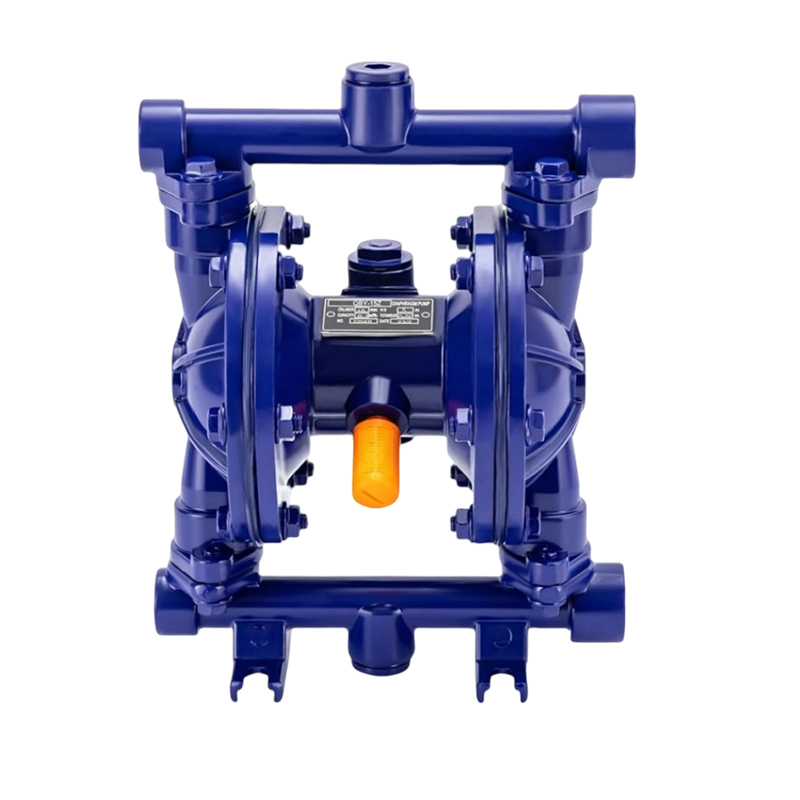
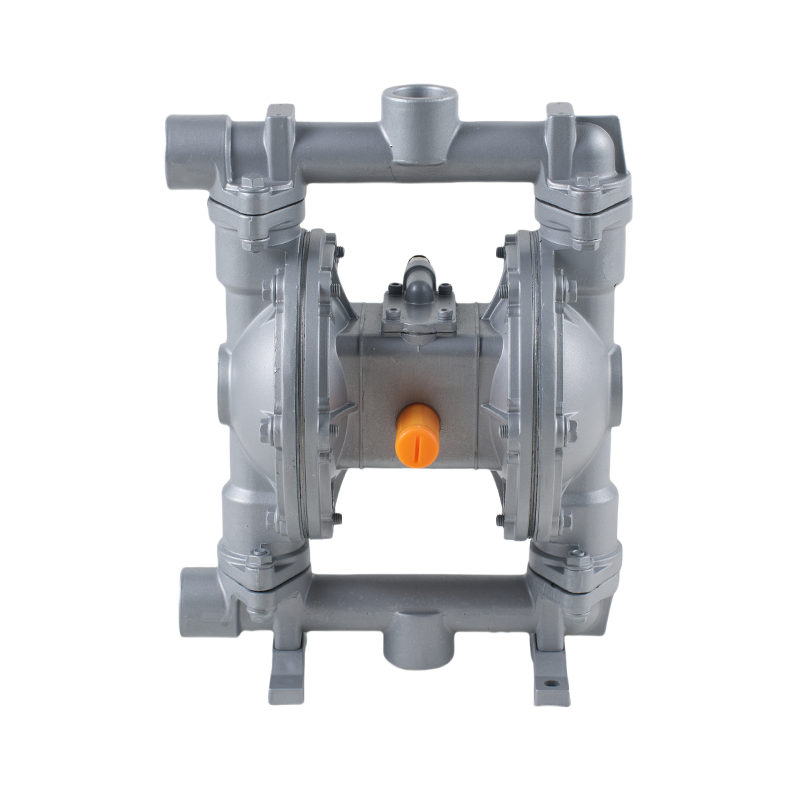
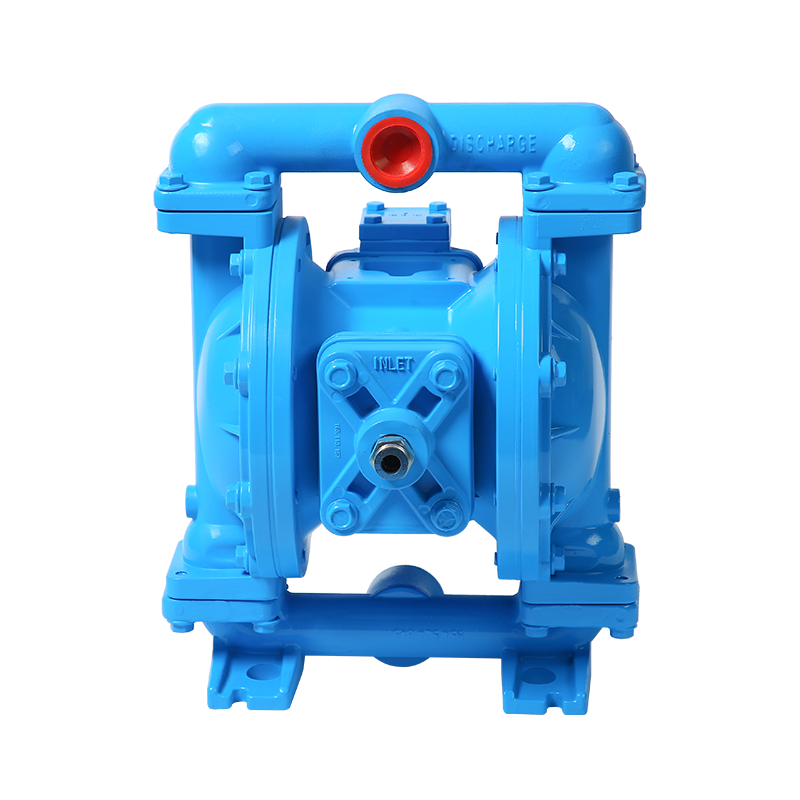
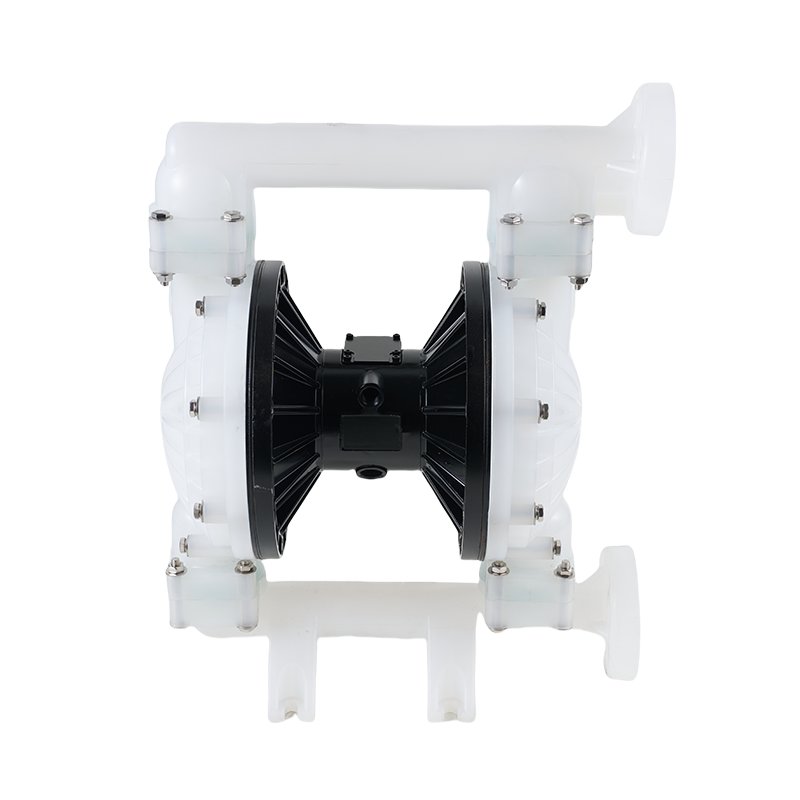
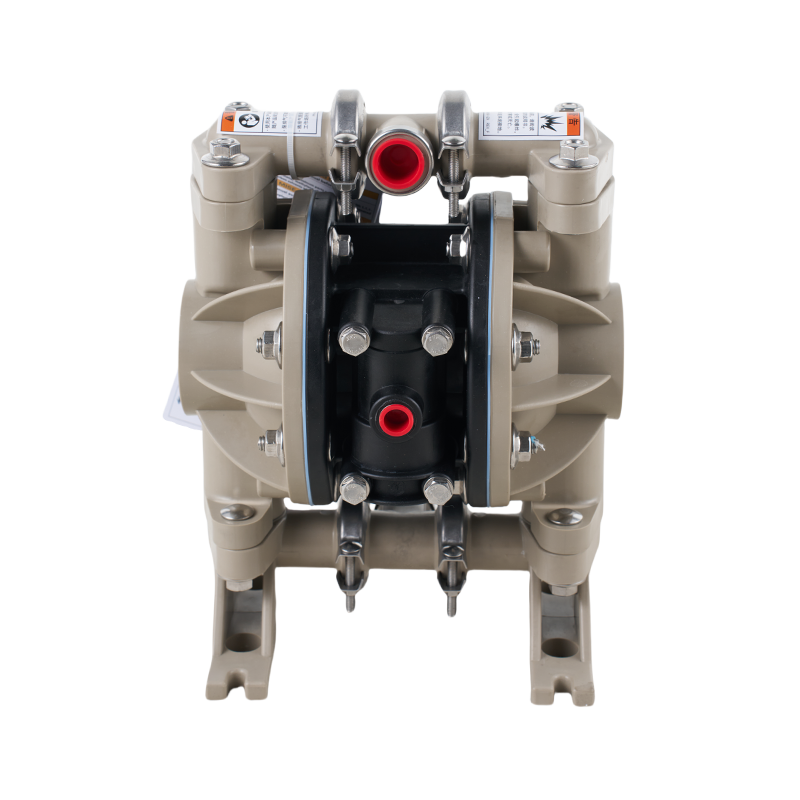
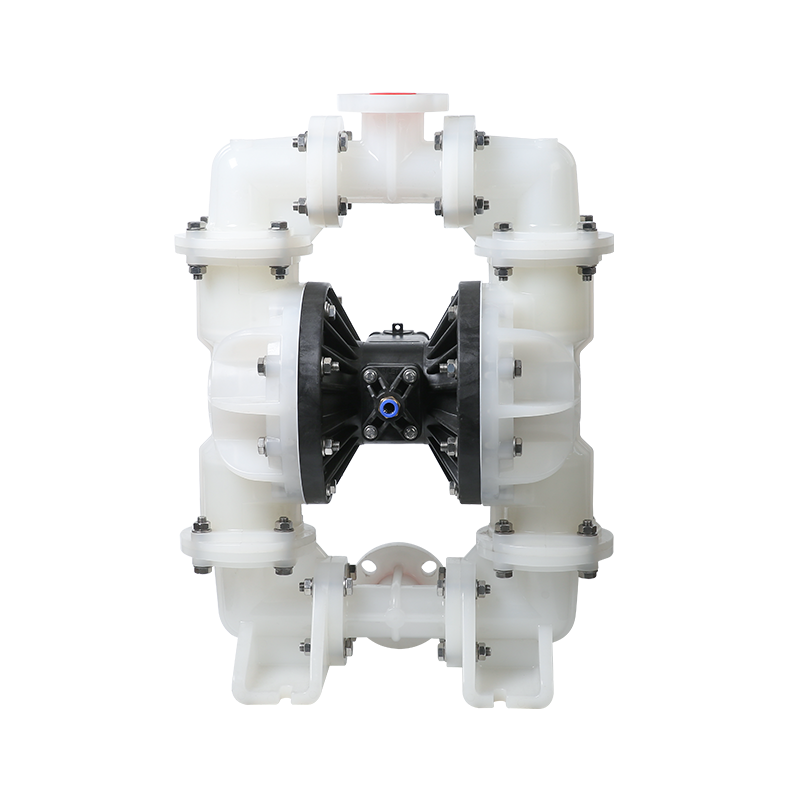
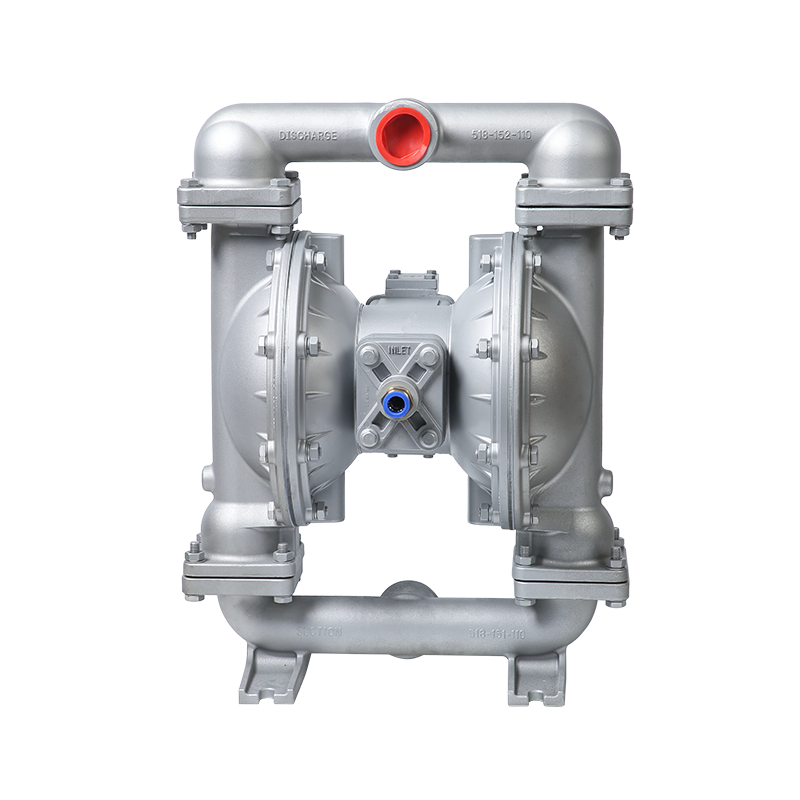
Why is Small Air Operated Diaphragm Pump Drawing Attention?
Small air operated diaphragm pumps are particularly relevant where space and flexibility matter.
A compact pump can be easier to position in a busy workspace. It may also suit applications where the amount of liquid being moved does not justify a larger pumping arrangement.
The diaphragm design can also support applications involving different types of industrial liquids, provided the pump is suitable for the intended medium.
For manufacturers and buyers, the focus is often moving away from pump size alone.
A small pump still needs to match the job.
Its usefulness comes from the combination of size, air operation, fluid compatibility, workplace conditions, and intended application.
This makes compact air operated diaphragm pumps worth considering for workshops, maintenance areas, production support tasks, and other industrial spaces where a flexible pumping solution is needed.
The growing interest in these pumps reflects a broader industrial preference for equipment that can fit existing workflows without unnecessarily complicating the workspace. Air operated pumps can offer practical value when their power source, application, and operating environment align with the needs of the facility.
Copyright © Zhejiang Zhanbo Diaphragm Pump Manufacturing Co., Ltd.

OEM/ODM Diaphragm Pump Manufacturer