

 русский
 Español
 عربى
عربى

 Home / Blogs / Industry News / Where Do Electric Diaphragm Pump Manufacturers Fit Into Modern Fluid Handling Systems
 Where Do Electric Diaphragm Pump Manufacturers Fit Into Modern Fluid Handling Systems
 2026.09.22
 Industry News
Fluid handling is part of many industrial activities, even when it receives little attention from people outside the production floor. Liquids need to move from one place to another. They may need to be transferred between containers, supplied to processing areas, or moved through a larger working system.
The pump is often the part that makes this movement possible.
Among different pump designs, the electric diaphragm pump has a particular place. It combines an electric drive with a diaphragm-based pumping structure. This arrangement allows the pump to handle fluid movement in applications where controlled transfer is part of everyday work.
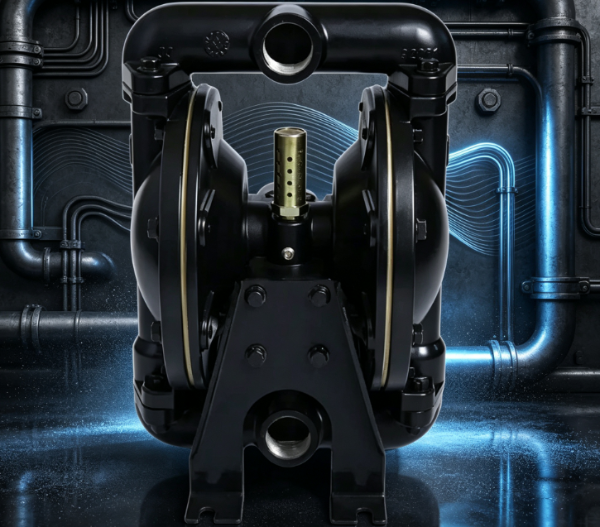
Behind these products are Electric Diaphragm Pump Manufacturers. Their role is not limited to producing a pump and placing it into a catalog. Manufacturers also have to consider how the equipment will interact with the fluid, the surrounding system, the working environment, and the expectations of the people using it.
This makes the relationship between pump manufacturers and fluid handling systems more interesting than it may appear.
Why Are Electric Diaphragm Pumps Part of Modern Fluid Handling?
A fluid handling system is rarely built around one piece of equipment. Storage containers, pipes, valves, filters, tanks, control components, and pumps may all work together.
The pump has to fit into this larger arrangement.
An electric diaphragm pump uses a flexible diaphragm to create the movement needed to transfer fluid. The diaphragm separates the pumped fluid from parts of the drive arrangement. This basic structure gives the pump a distinct operating approach compared with other pump types.
For manufacturers, this means the product needs to be considered from an application perspective.
A pump may be used to move water in one setting and another type of liquid in a different setting. The fluid may have different characteristics. The surrounding equipment may also vary.
The following factors can influence where an electric diaphragm pump fits within a system:
| Fluid Handling Factor | Why It Matters |
| Fluid type | Influences material and pump selection |
| Transfer purpose | Helps determine how the pump will be used |
| System layout | Affects how the pump connects with other equipment |
| Working environment | Influences installation and operating considerations |
| Maintenance needs | Shapes access and routine service planning |
| Fluid compatibility | Helps match pump materials with the intended application |
The pump is therefore not an isolated product. Its usefulness depends on how well it matches the system around it.
How Do Electric Diaphragm Pump Manufacturers Understand Application Needs?
The needs of a fluid handling system can be very different from one application to another.
A manufacturer may begin by looking at the type of fluid being moved. Material compatibility can become important when the liquid interacts with the wetted parts of the pump.
The manufacturer may also consider the way the pump will be installed. A compact production area can create different requirements from a larger open working space. A fixed installation may also be approached differently from equipment that needs to be moved between working areas.
These differences encourage manufacturers to think beyond the basic question of whether a pump can move liquid.
The more useful question is often whether the pump fits the way the system is actually used.
This application-focused approach can involve several areas:
- Fluid characteristics
The nature of the liquid can influence the materials selected for the pump and its internal components. Compatibility is an important part of avoiding problems during everyday use.
- System arrangement
The pump needs to connect naturally with the rest of the fluid handling system. Pipe routes, valves, storage areas, and other components can influence the overall arrangement.
- Operating habits
Equipment may be used continuously, intermittently, or as part of a particular production task. The expected working pattern can influence pump selection.
- Maintenance access
Routine inspection and care are part of equipment ownership. A design that allows practical access can make maintenance easier to organize.
Manufacturers that understand these relationships can create products around actual working situations rather than around specifications alone.
What Role Does the Diaphragm Play in Pump Design?
The diaphragm is one of the defining parts of this type of pump.
It moves back and forth within the pumping chamber. This movement creates changes in the chamber that allow fluid to enter and leave through the appropriate paths.
The basic idea is straightforward. A flexible barrier moves to create the pumping action while keeping the fluid separated from the drive side.
This arrangement can be useful in fluid handling because the diaphragm becomes an important part of the contact between the pump and the liquid.
Material choice therefore becomes closely connected with design.
Different fluids may require different material considerations. A manufacturer may need to think about how the diaphragm and other fluid-contacting parts will behave in the intended working environment.
This is one reason Electric Diaphragm Pump Manufacturers often treat material selection as part of application planning rather than as a minor product detail.
The design also needs to work with the electric drive. The movement created by the drive must be transferred to the diaphragm in a controlled way.
This relationship between the electrical side and the pumping side is what gives the equipment its particular place within modern fluid handling systems.
Where Can Electric Diaphragm Pumps Fit Into Industrial Systems?
Electric diaphragm pumps can be considered for many fluid transfer situations. The actual suitability depends on the application, fluid, system arrangement, and operating conditions.
Their role can range from transferring liquids between containers to supporting a larger process where fluid needs to move through different stages.
Some common application areas include:
| Application Area | Possible Pump Role |
| Water handling | Moving water between connected areas |
| Chemical handling | Supporting controlled liquid transfer |
| Food-related processing | Moving suitable fluids within a production system |
| Cleaning systems | Transferring cleaning liquids |
| Agricultural equipment | Supporting liquid movement in farming equipment |
| General industrial use | Connecting storage and processing stages |
The important point is that the same pump category does not automatically fit every application.
For example, a fluid handling system may involve a liquid that requires careful material selection. Another system may place more attention on ease of maintenance or installation space.
This gives manufacturers a broader role. They are not simply supplying equipment. They are helping buyers understand how a pump category may fit into a particular working environment.
That connection can make product information more useful when it explains application considerations in clear language.
How Does Pump Selection Connect With the Rest of the System?
Selecting a pump without considering the surrounding equipment can create an incomplete picture.
A fluid handling system works as a chain. The storage area connects to the transfer route. The transfer route connects to valves and other components. The pump sits within this route and helps move the liquid through it.
A change in one part can influence another.
For this reason, buyers may need to consider the pump together with the entire arrangement.
| System Element | Relationship With the Pump |
| Storage Tank | Provides or receives the fluid |
| Piping | Creates the route for fluid movement |
| Valves | Helps manage fluid direction and isolation |
| Filters | May form part of the fluid path |
| Pump | Creates the movement needed for transfer |
| Control System | May coordinate pump operation with other equipment |
This broader view also changes the role of the manufacturer.
A pump manufacturer needs to understand how the product will connect with other components. Buyers may need guidance about installation, material compatibility, maintenance, and system integration.
Clear communication can be especially useful here.
A product may look suitable on paper but still require closer consideration once the actual installation environment is examined.
Could Material Selection Change the Way Buyers Compare Manufacturers?
Material selection can become a significant part of pump purchasing.
The fluid does not simply pass through an empty machine. It comes into contact with specific internal parts. Those materials need to suit the intended application.
This is particularly relevant when the liquid has properties that could affect certain materials.
For buyers, this means comparing manufacturers may involve more than looking at product appearance or general pump type. They may also want to understand how the manufacturer approaches fluid-contact materials.
A useful comparison can include:
Materials used for fluid-contact parts
Diaphragm material options
Compatibility with the intended fluid
Design approach for different applications
Maintenance access
Installation considerations
Availability of application guidance
These points do not create a universal answer for every buyer. They simply provide a clearer way to connect the pump with its intended use.
For manufacturers, material knowledge can also influence product development. The goal is to create a pump that makes sense within the conditions where it will actually operate.
Why Is Manufacturer Experience Connected With Fluid Handling?
Fluid handling can involve very different working environments. A manufacturer that produces pumps for multiple applications may encounter a wide range of fluid and system requirements.
That experience can shape how manufacturers approach product design.
It can also affect the information they provide to buyers.
A useful manufacturer conversation may include questions such as:
What type of fluid will be transferred?
Where will the pump be installed?
How will the pump connect with the existing system?
What kind of daily operation is expected?
How will the equipment be accessed for maintenance?
These questions move the conversation away from the pump as a standalone object.
They place the equipment inside the working environment where it will be used.
This approach can also help buyers avoid focusing on a single product feature while overlooking other practical factors. Pump selection becomes a matter of matching several pieces together.
The manufacturer can provide product knowledge. The buyer provides information about the application. The resulting discussion can then focus on whether the pump design fits the actual system.
What Is Changing in the Role of Electric Diaphragm Pump Manufacturers?
The role of pump manufacturers is becoming more closely connected with system thinking.
Fluid handling equipment is no longer viewed only as a collection of separate machines. Pumps, pipes, tanks, valves, controls, and other components form connected working arrangements.
This creates new expectations for product manufacturers.
An Electric Diaphragm Pump Manufacturer may need to consider several questions during product development:
How will the pump interact with the fluid?
How can the design fit different system layouts?
How can maintenance be made more practical?
How should material choices relate to different applications?
How can product information help buyers understand the intended use?
These questions also create room for manufacturers to communicate more clearly with the market.
Instead of describing a pump only through technical language, manufacturers can explain where the product fits, what type of fluid handling task it addresses, and what application factors should be considered.
This makes the pump easier to understand from the buyer's point of view.
The position of Electric Diaphragm Pump Manufacturers within modern fluid handling systems is therefore connected with more than manufacturing. Their work sits between product design, material selection, application needs, and system integration.
As fluid handling continues to involve a wider range of working environments, this connection gives pump manufacturers an important role in helping equipment fit the systems around it.

Copyright © Zhejiang Zhanbo Diaphragm Pump Manufacturing Co., Ltd.

OEM/ODM Diaphragm Pump Manufacturer