

 русский
 Español
 عربى
عربى

 Home / Blogs / Industry News / Polypropylene Pneumatic Diaphragm Pump: The Backbone of Corrosion-Resistant Pumping
 Polypropylene Pneumatic Diaphragm Pump: The Backbone of Corrosion-Resistant Pumping
 2026.09.25
 Industry News
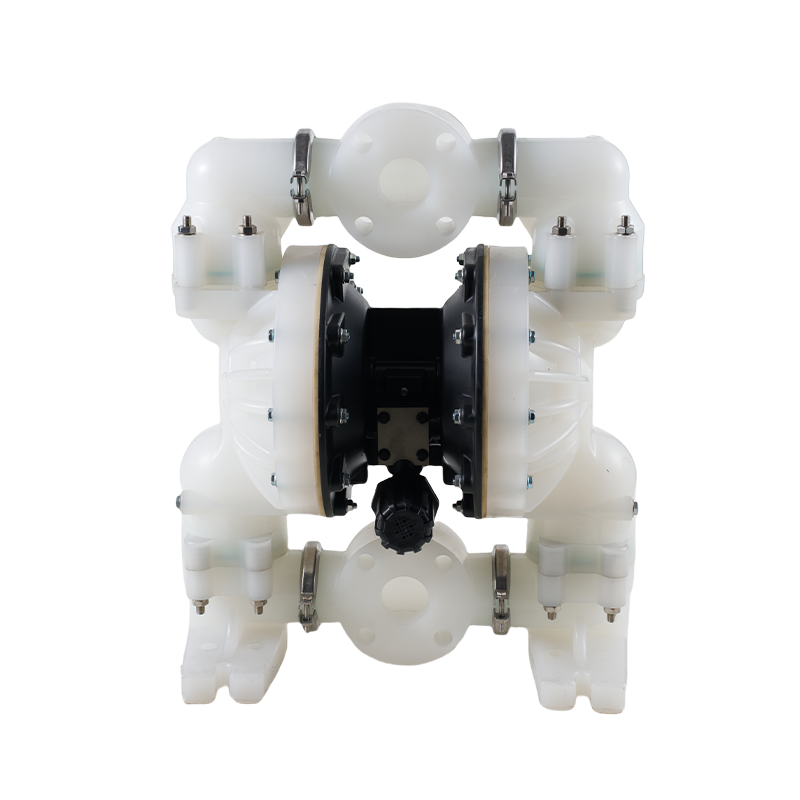
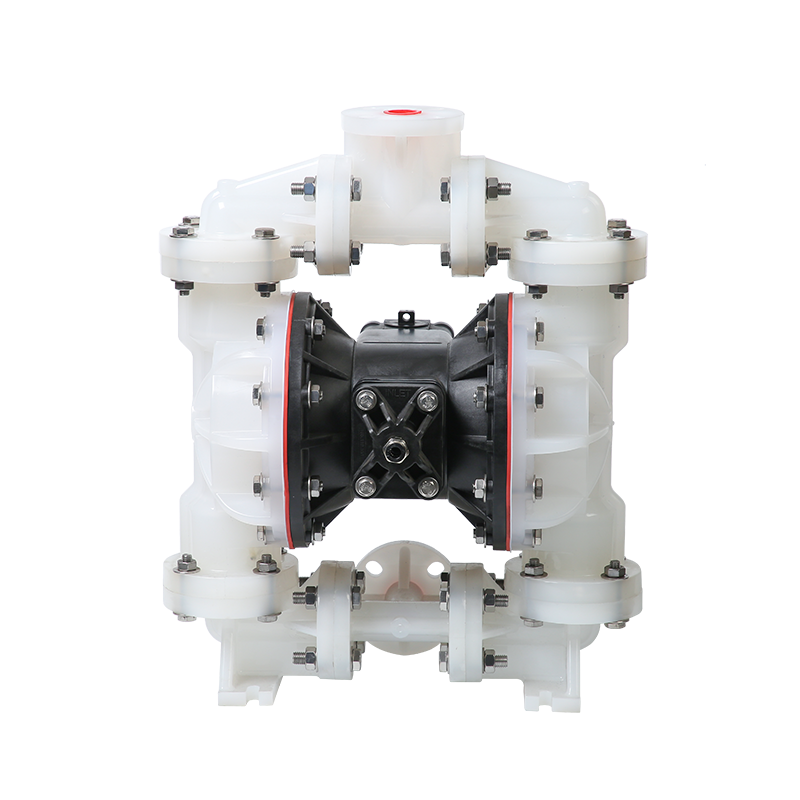
Some fluids destroy metal pumps. Acids, caustics, aggressive chemicals—they eat through cast iron and aluminum. A polypropylene pneumatic diaphragm pump handles these fluids. The pump body is made from polypropylene, a plastic that resists attack from many chemicals. The pump has no metal parts in contact with the fluid. Polypropylene pneumatic diaphragm pump manufacturers build these pumps for applications where corrosion is the main concern.
Why Polypropylene Handles Fluids Metal Can't
The material resists acids, caustics, and solvents
Polypropylene is chemically resistant. A polypropylene pneumatic diaphragm pump manufacturer uses material that withstands sulfuric acid, hydrochloric acid, sodium hydroxide, and many other aggressive fluids. The pump body doesn't corrode.
No metal parts in the fluid path
Corrosion happens when metal touches aggressive fluids. A polypropylene pneumatic diaphragm pump manufacturer uses polypropylene for all wetted parts—body, diaphragms, and valves. The pump is essentially corrosion-proof in many applications.
Polypropylene costs less than alloy pumps
Stainless steel and specialty alloys are expensive. A polypropylene pneumatic diaphragm pump manufacturer uses polypropylene to provide corrosion resistance at a lower cost. The pump costs less than an alloy pump.
The Pneumatic Drive That Eliminates Electrical Hazards
Compressed air powers the pump safely
The pump runs on air pressure. A polypropylene pneumatic diaphragm pump manufacturer designs the air distribution system for reliable operation. The pump runs on plant air or portable compressors.
No electricity means no sparks
The pump is safe for flammable and explosive environments. A polypropylene pneumatic diaphragm pump manufacturer builds pumps that don't use electricity. No spark hazard.
The pump handles aggressive fluids without corrosion
The fluid contacts only polypropylene and compatible elastomers. A polypropylene pneumatic diaphragm pump manufacturer ensures the fluid path is completely corrosion-resistant.
Common specs for polypropylene pneumatic diaphragm pumps:
- Flow rate: 5L/min to 400L/min
- Pressure: up to 8 bar
- Materials: polypropylene body
- Diaphragm materials: PTFE, EPDM, NBR
- Connections: threaded
- Temperature: up to 100°C
- Drive: pneumatic
Applications That Need Polypropylene Pumps
Chemical processing and transfer
Acids, caustics, and solvents need pumps that don't corrode. A polypropylene pneumatic diaphragm pump is used for transferring chemicals that attack metal pumps. The polypropylene body handles the fluid.
Plating and surface finishing
Plating solutions are aggressive. A polypropylene pneumatic diaphragm pump manufacturer supplies pumps for transferring plating baths and rinsing fluids.
Wastewater treatment chemical dosing
Treatment chemicals are often corrosive. A polypropylene pneumatic diaphragm pump manufacturer builds pumps that handle the aggressive nature of treatment chemicals.
Semiconductor and electronics manufacturing
Ultra-pure chemicals and aggressive cleaners. A polypropylene pneumatic diaphragm pump is used for chemical transfer in clean environments.
What Makes a Polypropylene Pump Reliable
Chemical compatibility with the fluid
Polypropylene resists many chemicals but not all. A polypropylene pneumatic diaphragm pump manufacturer should provide a chemical compatibility chart for the pump materials. Check before you buy.
Temperature limits matter
Polypropylene softens at higher temperatures. A polypropylene pneumatic diaphragm pump manufacturer should specify the big operating temperature for the pump. Exceed it and the pump fails.
Diaphragm material selection
The diaphragm contacts the fluid. A polypropylene pneumatic diaphragm pump manufacturer should recommend the diaphragm material based on the fluid. PTFE is standard for aggressive chemicals.
Performance data
The pump has to meet system requirements. A polypropylene pneumatic diaphragm pump manufacturer should provide pump curves and performance data.
Portability
Polypropylene pumps are lighter than metal pumps. A polypropylene pneumatic diaphragm pump manufacturer builds pumps that can be moved between applications.
Quality control
The pump has to work in demanding applications. A polypropylene pneumatic diaphragm pump manufacturer should have quality control processes that ensure reliability.
A polypropylene pneumatic diaphragm pump is a pump that handles aggressive fluids without corroding. The polypropylene body resists chemicals, the pneumatic drive eliminates electrical hazards, and the pump is cost-effective for chemical service. For chemical processing, plating, and wastewater treatment, it's the pump that does the job without failing. That's what the pump delivers. That's what the manufacturer provides.
Copyright © Zhejiang Zhanbo Diaphragm Pump Manufacturing Co., Ltd.

OEM/ODM Diaphragm Pump Manufacturer