

 русский
 Español
 عربى
عربى


Why Does Material Selection Matter for a Cast Iron Diaphragm Pump
 2026.09.29
 Industry News
A pump may look like a simple piece of equipment when it is sitting on a workshop floor. Once it becomes part of a fluid handling system, its material starts to matter much more.
The pump body comes into contact with the surrounding working environment. Some internal parts may also come into contact with the fluid being moved. These materials need to work together in a way that suits the application.
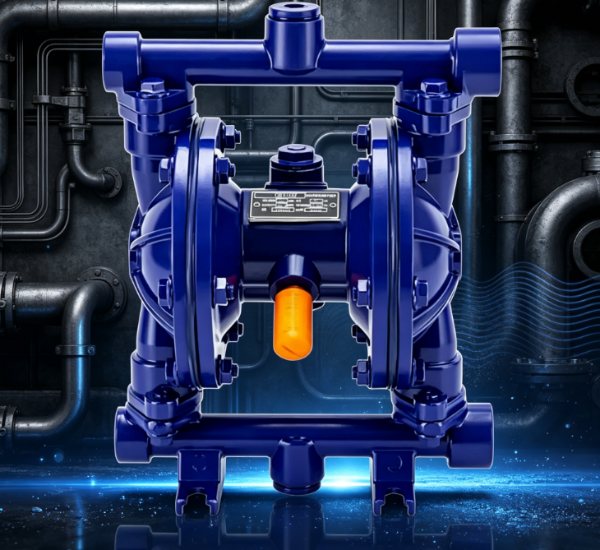
This is especially noticeable with a Cast Iron Diaphragm Pump. Cast iron gives the pump body a solid structural base, but the choice of cast iron does not tell the whole story. Other parts of the pump also have their own material requirements.
The fluid being transferred can be an important consideration. So can the working environment, cleaning routine, installation location, and expected use.
For buyers and manufacturers, material selection is therefore not simply a manufacturing detail. It is part of deciding whether a pump fits a particular fluid handling task.
Why Does Material Choice Matter in a Diaphragm Pump?
A diaphragm pump contains several parts that perform different jobs. The pump body provides the main structure. The diaphragm moves to create the pumping action. Other components guide the movement of fluid and connect the pump with the rest of the system.
These parts do not necessarily need to be made from the same material.
That is an important point when considering pump construction.
The outer body may need a material that provides suitable structural support. The diaphragm may need different properties because it repeatedly moves during operation. Fluid-contact parts may also require materials that suit the liquid being transferred.
Material selection can therefore be viewed as a relationship between different parts.
| Pump Part | Material Consideration |
| Pump Body | Structural needs and working environment |
| Diaphragm | Flexibility and repeated movement |
| Fluid-Contact Parts | Compatibility with the handled liquid |
| Connection Parts | Fit with the surrounding fluid system |
| Sealing Components | Suitable contact with fluid and surrounding parts |
This approach helps explain why simply choosing a pump based on its body material may not provide enough information.
A Cast Iron Diaphragm Pump is defined partly by its cast iron construction, but the complete product still depends on the materials used throughout the pumping system.
What Does Cast Iron Bring to Pump Construction?
Cast iron has long been used in industrial equipment where a solid and stable structure is needed. In a diaphragm pump, the pump body provides the housing around the working parts.
The material can give the body a substantial feel and help it maintain its form during normal use.
This matters because a pump does not work alone. It is connected to pipes, valves, tanks, and other equipment. The body needs to remain a reliable part of that arrangement.
At the same time, cast iron should not be treated as a universal material for every fluid handling situation.
The suitability of the material depends on the application.
A liquid may have properties that make material compatibility an important concern. The surrounding environment may also expose the equipment to conditions that need to be considered during selection.
This is why material choice should start with the intended use rather than the material name alone.
For manufacturers, this means understanding how the pump body will be used. For buyers, it means asking where the pump will operate and what kind of fluid it will handle.
The answer can help determine whether a cast iron construction makes sense for the application.
How Does the Handled Fluid Influence Material Selection?
The fluid is one of the important parts of any pump selection decision.
A pump may transfer water in one application and another type of liquid in a different one. The two situations can create different material considerations.
The fluid may come into contact with the diaphragm, valves, seals, and other internal components. Each of these parts needs to be considered according to the intended application.
This does not mean that the pump body and every internal component need to use the same material. In many pump designs, different materials are selected for different roles.
A useful way to look at the decision is to ask several basic questions:
- What liquid will be transferred?
The nature of the fluid can affect which materials are suitable for the parts that contact it.
- Which pump parts will contact the fluid?
The body may not be the only component that needs attention. Internal parts can have their own material requirements.
- Will the fluid remain consistent?
Some applications may involve different liquids at different stages. This can make material compatibility more important.
- How will the pump be cleaned?
Cleaning products and cleaning routines can also influence material considerations.
The purpose is not to create a complicated selection process. It is to make sure that the materials are considered in relation to the actual work the pump needs to perform.
Could the Diaphragm Material Be as Important as the Pump Body?
The diaphragm is central to the operation of a diaphragm pump.
It repeatedly moves inside the pump to create the action that transfers fluid. Because of this movement, the diaphragm has a different role from the cast iron body surrounding it.
This creates an interesting material relationship.
The pump body needs to provide structure. The diaphragm needs to move. The fluid-contact side needs to interact appropriately with the handled liquid.
These different demands mean that the diaphragm material deserves separate attention.
For example, a buyer considering a Cast Iron Diaphragm Pump may naturally focus on the cast iron housing. Yet the diaphragm can also influence whether the pump fits the intended application.
The same idea applies to seals and other fluid-contact components.
| Component | Main Material Question |
| Cast Iron Body | Does the body material suit the working environment? |
| Diaphragm | Is the diaphragm material suitable for repeated movement and fluid contact? |
| Seals | Can the sealing material work with the intended liquid? |
| Valves | Are the materials suitable for the fluid path? |
| Connections | Do the materials and connections fit the wider system? |
Looking at the pump as a group of connected materials can give buyers a clearer picture than focusing on one material label.
Why Does the Working Environment Matter?
Material selection does not stop with the fluid.
The environment around the pump can also influence the choice.
An industrial pump may operate indoors, outdoors, in a clean production area, or in a location where dust and moisture are part of normal working conditions. Each setting can create different concerns.
The installation area may also influence how easy it is to inspect and maintain the pump.
For example, a pump placed in a crowded equipment area may be harder to access than one installed in an open working space. This can affect how routine maintenance is planned.
The surrounding environment can also influence the condition of the pump body over time. This is one reason manufacturers and buyers need to consider the complete application rather than looking only at the liquid being transferred.
Several environmental factors can be considered:
| Working Condition | Material-Related Consideration |
| Indoor installation | Surrounding equipment and workspace |
| Outdoor installation | Exposure to the surrounding environment |
| Wet area | Contact with moisture and cleaning routines |
| Industrial workspace | Dust, handling practices, and nearby equipment |
| Cleaning area | Interaction between materials and cleaning products |
These points do not mean that one material is automatically suitable or unsuitable. They provide a framework for thinking about how the pump will live within its working environment.
How Can Material Selection Affect Pump Maintenance?
Maintenance is part of the everyday life of industrial equipment.
A pump needs to be inspected, cleaned, and cared for according to its application. Material selection can influence how different parts are handled during this process.
The diaphragm is a good example.
Because it is a moving part, it may receive attention during routine inspection. Seals and valves can also require checking depending on the application.
The pump body has a different maintenance role. It forms the main structure and may need inspection for changes caused by the working environment.
For a Cast Iron Diaphragm Pump, the body material can therefore be considered alongside the materials of replaceable or fluid-contact components.
Good maintenance planning begins with knowing which parts are exposed to the demanding conditions.
This can also affect purchasing decisions.
A buyer may want to understand how easily important components can be accessed. They may also want clear information about which materials are used in areas that contact the fluid.
A pump that is easy to understand can be easier to manage as part of a wider maintenance routine.
What Should Buyers Ask Before Choosing a Cast Iron Diaphragm Pump?
Material selection becomes more useful when it is connected with practical questions.
Instead of asking only whether a pump is made from cast iron, buyers can look at the complete application.
A short checklist can help:
What fluid will the pump handle?
Which parts will come into contact with the fluid?
What is the pump body made from?
What material is used for the diaphragm?
What materials are used for seals and other internal parts?
Where will the pump be installed?
How will the pump be cleaned?
How will routine inspection be carried out?
Does the pump fit the existing fluid handling system?
These questions can make discussions with manufacturers more focused.
They can also help separate two issues that are sometimes treated as one.
The first is whether cast iron is suitable for the pump body. The second is whether the complete pump is suitable for the application.
Those questions are related, but they are not identical.
A pump can have a cast iron body while using different materials for the diaphragm, seals, valves, and other components. The complete material combination needs to be considered.
How Are Manufacturers Approaching Material Selection Today?
Material selection is closely connected with product development.
For Cast Iron Diaphragm Pump Manufacturers, the challenge is not simply choosing a body material. The wider task is to create a pump that works as a coordinated product.
This involves thinking about the relationship between structure, fluid contact, movement, installation, and maintenance.
Manufacturers may therefore organize product choices around application needs. Different fluids may lead to different material combinations. Different working environments may also call for different design considerations.
This approach can make pump selection more practical for buyers.
It also changes how a manufacturer communicates with the market.
Rather than presenting cast iron as a stand-alone selling point, manufacturers can explain how the body material fits with the rest of the pump. They can describe which parts contact the fluid and why those materials matter.
That information helps buyers look at the equipment from the system level.
A Cast Iron Diaphragm Pump is not simply a cast iron product. It is a combination of materials working together inside a fluid handling system.
The body, diaphragm, seals, valves, connections, and surrounding equipment all have their own roles. When material selection is considered from this wider perspective, the choice of pump becomes more closely connected with the fluid, the working environment, and the way the equipment will be used.
Copyright © Zhejiang Zhanbo Diaphragm Pump Manufacturing Co., Ltd.

OEM/ODM Diaphragm Pump Manufacturer