

 русский
 Español
 عربى
عربى


Chemical Resistant Diaphragm Pump Materials and Performance Factors
 2026.06.19
 Industry News
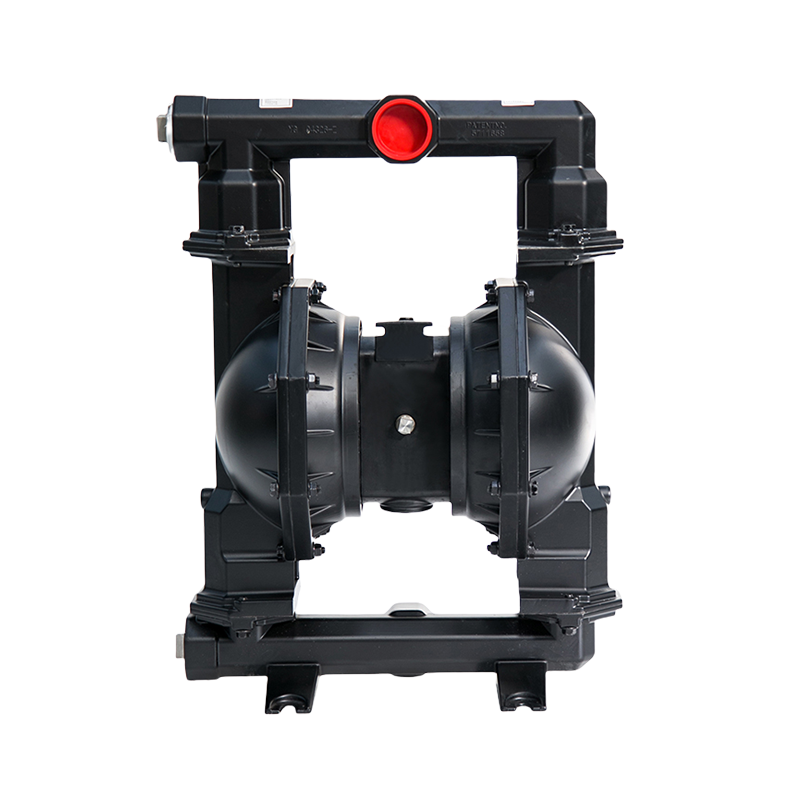
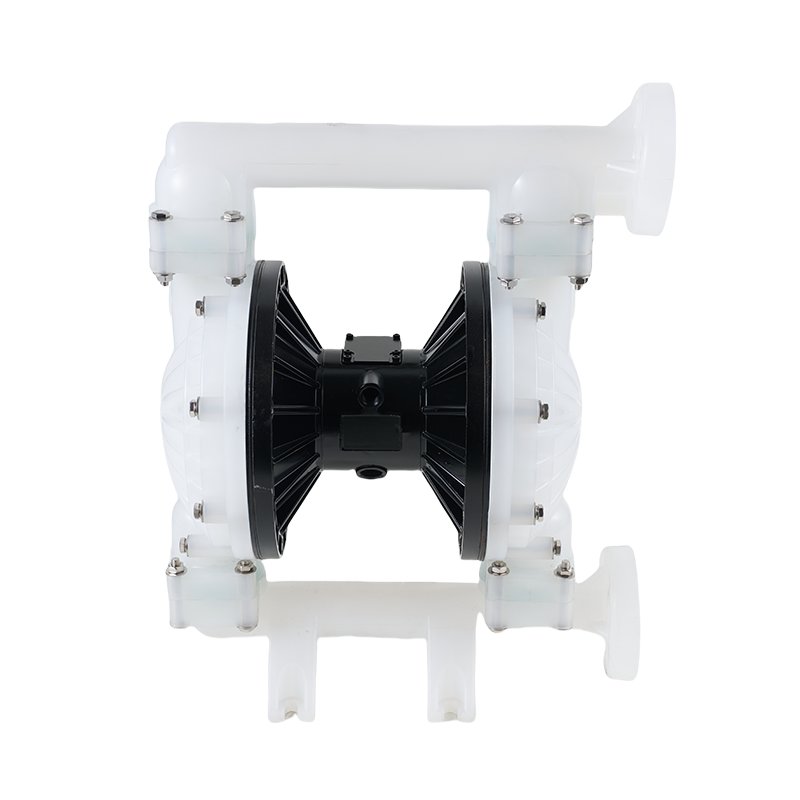
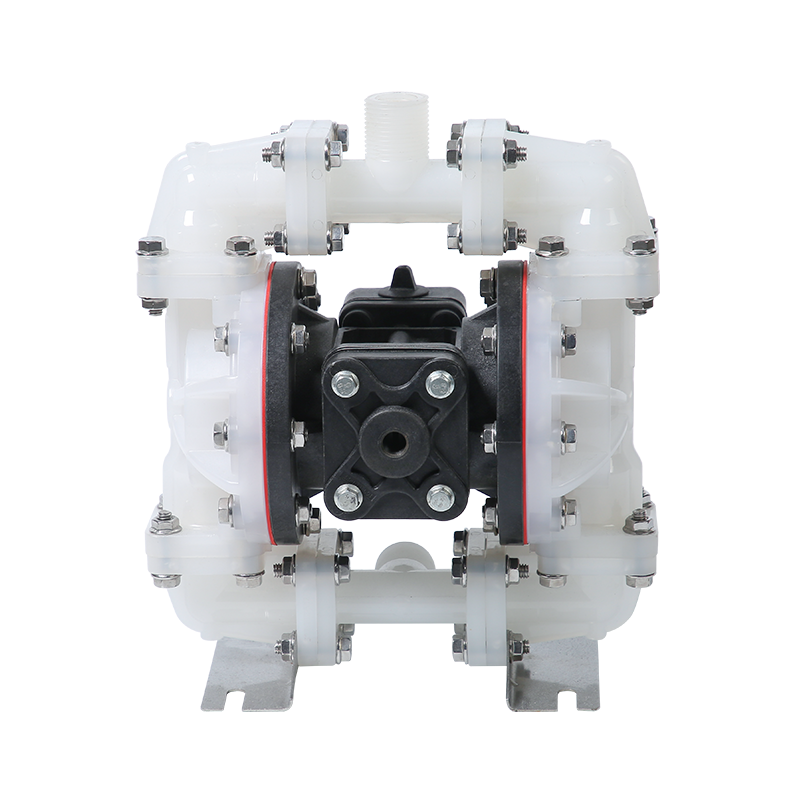
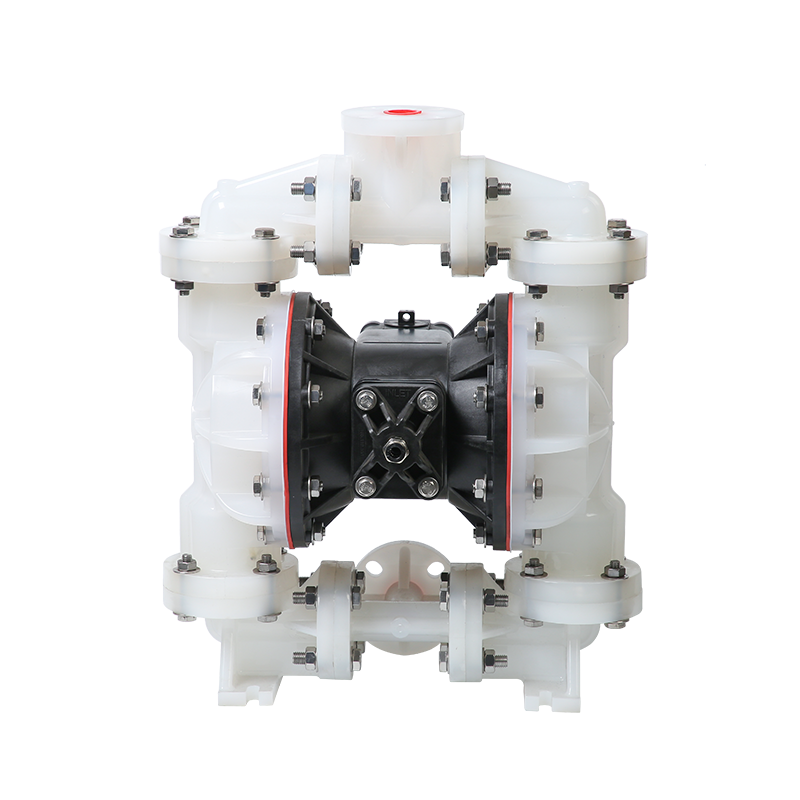
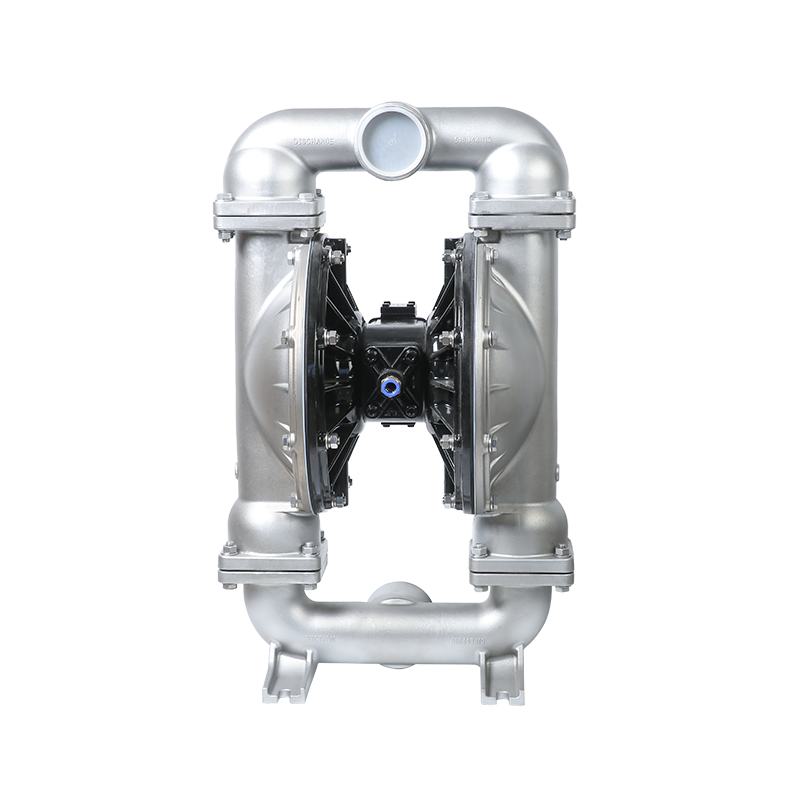
Chemical resistant diaphragm pump are widely used in fluid transfer systems where liquids may be aggressive, unstable, or sensitive to contamination. In many industrial environments, the pump is not just a moving component. It becomes part of a controlled process where safety, stability, and material behavior matter at the same time.
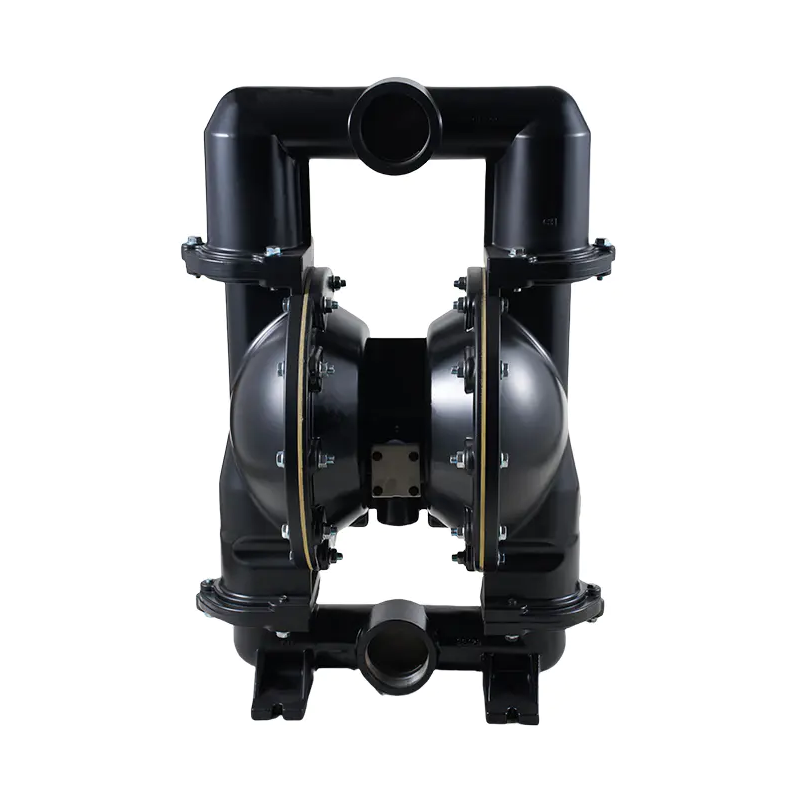
The discussion around this type of pump often starts with materials. Yet performance is never only about what the pump is made of. It is also about how those materials respond under changing conditions, how they interact with liquids, and how they behave during long periods of operation.
Why do materials matter so much in chemical resistant diaphragm pumps?
In chemical handling systems, liquids can vary widely in behavior. Some are mildly reactive. Others may react quickly when exposed to certain surfaces. Because of this, material selection becomes a core design decision rather than a secondary detail.
The wetted sections of a diaphragm pump are in direct contact with the fluid. This means the internal surfaces are constantly exposed. Any mismatch between liquid type and material can influence stability.
Material choice is often guided by compatibility. It is not only about resisting corrosion. It is also about maintaining structural consistency under repeated cycles of pressure and movement.
Some materials are chosen for their stability in harsh environments. Others are selected for flexibility or resistance to wear. In practice, a balance is often required instead of a single ideal option.
What types of materials are commonly used inside the pump body?
Chemical resistant diaphragm pumps often rely on a combination of materials rather than a single substance. Each part of the pump may serve a different role, and each role may require different characteristics.
| Pump Part | Material Focus | Functional Role |
|---|---|---|
| Pump housing | Chemical stability | Protect internal structure |
| Diaphragm | Flexibility and resistance | Control fluid movement |
| Valve components | Wear resistance | Maintain flow direction |
| Sealing sections | Tight isolation | Prevent leakage paths |
The pump housing is often designed to stay stable when exposed to corrosive or reactive liquids. It must maintain shape and strength without reacting to the fluid.
The diaphragm itself is more dynamic. It moves repeatedly during operation. This makes flexibility a key requirement. At the same time, it still needs resistance to chemical influence.
Valve parts experience continuous contact with moving fluids. This creates a need for surfaces that resist erosion caused by repeated flow cycles.
Sealing components are responsible for isolation. Even small gaps or deformation can influence overall stability. Therefore, consistency in sealing behavior is important across different operating conditions.
How does chemical compatibility influence performance?
Chemical compatibility is not only a material issue. It directly affects how the pump behaves during operation.
When materials are compatible with the handled fluid, movement inside the pump remains stable. Flow patterns stay predictable. Internal surfaces remain intact for longer periods.
When compatibility is weak, changes may appear gradually. These changes are not always immediate. They often develop through repeated exposure.
This is why compatibility checks are often done before system design. It is not just about avoiding damage. It is about maintaining consistent behavior over time.
Even small differences in fluid composition can influence outcomes. In industrial environments, fluids may vary slightly between batches. A stable pump design accounts for these variations.
What role does mechanical movement play in long-term stability?
Diaphragm pumps move fluid entirely relying on reciprocating motion, which is the fundamental working principle of this equipment. Yet constant cyclic movement will slowly bring recurring mechanical wear and stress on internal components.
The diaphragm stretches and retracts repeatedly with every working stroke, pressing force against adjacent inner parts each cycle. After long hours of running, these accumulated loads gradually leave lasting impacts on component structure.
The selected diaphragm material determines its real service performance. Some raw stock can keep original elasticity and shape amid endless reciprocation, while inferior options will harden or deform little by little over time.
Judging a pump's durability cannot only look at raw material hardness; the key lies in whether parts stay stable after countless cyclic motions.
Quality pumps keep steady stroke routes all through operation. Once the movement becomes irregular, fluid delivery volume will swing, making output flow hard to control.
How do temperature and environment influence pump materials?
Pumps are installed in all kinds of working scenarios. A large number work inside climate-stable workshops, whereas field units have to endure open-air and changeable ambient conditions.
Ambient temperature directly changes the flexibility of rubber and plastic fittings. Warm surroundings soften sealing materials, and low temperature makes them stiff and tough to bend.
Outdoor working sites also expose equipment to dust, damp air and fine suspended impurities. Such pollutants seldom penetrate into the inner fluid passage, but they erode outer shells and slowly damage the sealing effect of peripheral components.
Therefore, when designing pump structures, engineers need to take both internal conveying medium and actual external working environment into comprehensive consideration.
What performance factors matter beyond material selection?
Material selection is important, but performance depends on several connected factors.
One key factor is flow stability. A pump that maintains consistent movement tends to produce more predictable output behavior. This is especially important in systems where steady transfer is required.
Another factor is sealing behavior. Even small variations in sealing performance can affect efficiency. Sealing is not only about preventing leaks. It is also about maintaining internal balance during operation.
Operational smoothness also plays a role. A pump that runs with stable motion tends to reduce stress on internal parts. This may support longer service cycles.
Ease of maintenance is another consideration. Systems that allow simpler inspection and cleaning often support more consistent long-term use.
How do different materials influence wear patterns inside the pump?
Wear patterns inside a diaphragm pump are rarely uniform. They depend on both fluid behavior and material interaction.
Some materials show gradual surface smoothing. Others may develop uneven wear depending on flow direction or pressure distribution.
In chemical resistant systems, wear is often influenced more by chemical interaction than by mechanical force alone. This makes material stability under exposure an important factor.
Wear does not always to immediate failure. It often appears as slow changes in performance behavior. These changes may include reduced efficiency or slight variation in flow response.
Understanding wear patterns helps in planning maintenance cycles and replacement timing.
What should be considered when matching pump materials with application needs?
Different applications require different priorities. In some systems, chemical resistance is the main focus. In others, mechanical flexibility or flow stability may be more important.
A useful way to evaluate material suitability is to consider the operating environment, fluid characteristics, and expected usage duration together.
| Application Condition | Material Focus |
|---|---|
| Strong chemical exposure | High resistance stability |
| Frequent operation cycles | Mechanical durability |
| Variable fluid types | Broad compatibility |
| Sensitive transfer systems | Stable sealing behavior |
These conditions often overlap. A single system may require more than one performance requirement at the same time.
Material selection becomes a balancing process rather than a fixed decision.
How does system consistency affect real-world operation?
In real-world use, diaphragm pumps rarely operate under identical conditions every time. Flow demand may change. Fluid composition may vary. Operating cycles may shift depending on production needs.
A consistent system is one that adapts to these variations without major performance changes.
Material stability plays a role in this consistency. So does mechanical design and internal structure alignment.
When all elements work together smoothly, the pump behaves in a predictable way. This predictability is often more valuable than isolated performance strength.
What influences long-term operational behavior?
Long-term behavior is shaped by the interaction of material stability, movement patterns, and environmental exposure.
Small variations in any of these areas may accumulate over time. The result may not be immediate. Instead, changes appear gradually in system response.
Monitoring long-term behavior often focuses on subtle indicators. These include changes in flow smoothness, slight differences in operational sound, or variations in maintenance frequency.
A stable pump system tends to maintain similar behavior across extended use periods, even when external conditions fluctuate.
How do material choices connect with system design philosophy?
Material selection is often linked with broader system design thinking. Some systems prioritize adaptability. Others focus on controlled stability.
In adaptable systems, materials are chosen to handle variation. In stable systems, materials are selected for consistent behavior under fixed conditions.
This design philosophy influences not only material selection but also structural layout, maintenance planning, and operational expectations.
Chemical resistant diaphragm pumps often sit between these two approaches. They need both adaptability to handle different fluids and stability to maintain predictable operation.
What makes performance evaluation a continuous process?
Performance evaluation is not limited to initial selection. It continues throughout the pump's operational life.
As conditions change, performance expectations may also shift. This makes ongoing observation part of system management.
Material behavior, flow consistency, and operational stability all contribute to overall evaluation. None of these factors exist in isolation.
A diaphragm pump system is better understood as a connected structure where materials, motion, and environment interact continuously.
Copyright © Zhejiang Zhanbo Diaphragm Pump Manufacturing Co., Ltd.

OEM/ODM Diaphragm Pump Manufacturer