

 русский
 Español
 عربى
عربى

 Home / Blogs / Industry News / Pneumatic Diaphragm Pump Manufacturer In China: Finding Quality at the Right Price
 Pneumatic Diaphragm Pump Manufacturer In China: Finding Quality at the Right Price
 2026.06.19
 Industry News
China makes a lot of diaphragm pumps. Pneumatic ones run on compressed air. No electricity. No sparks. They handle dirty water, chemicals, and sludge. A pneumatic diaphragm pump manufacturer in China can be a good source. Prices are lower than European or American brands. But quality varies widely. Here is what buyers need to check before ordering.
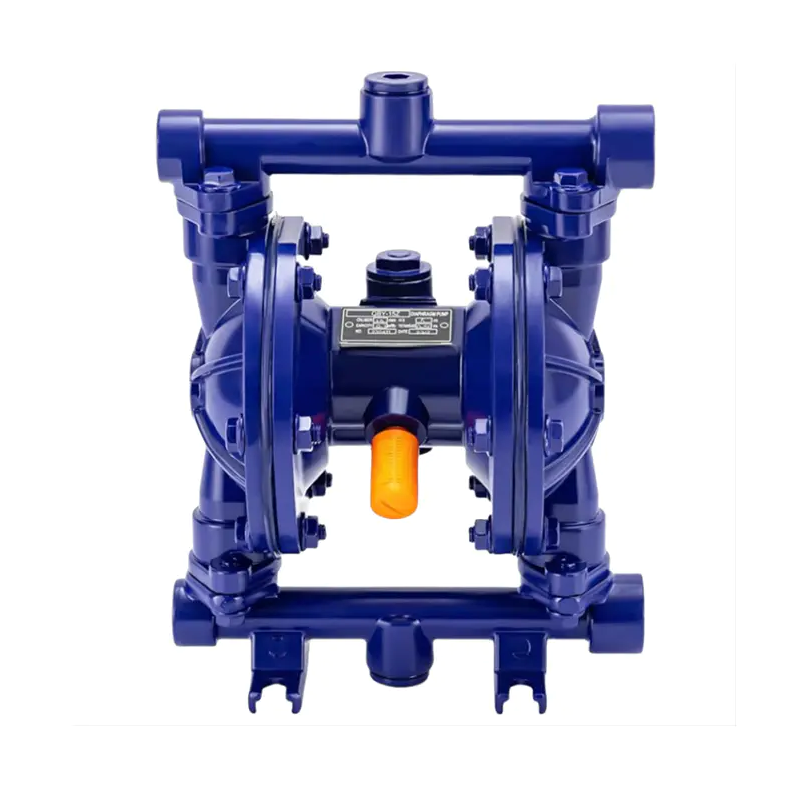
What a Pneumatic Diaphragm Pump Does
The pump uses compressed air to move fluid
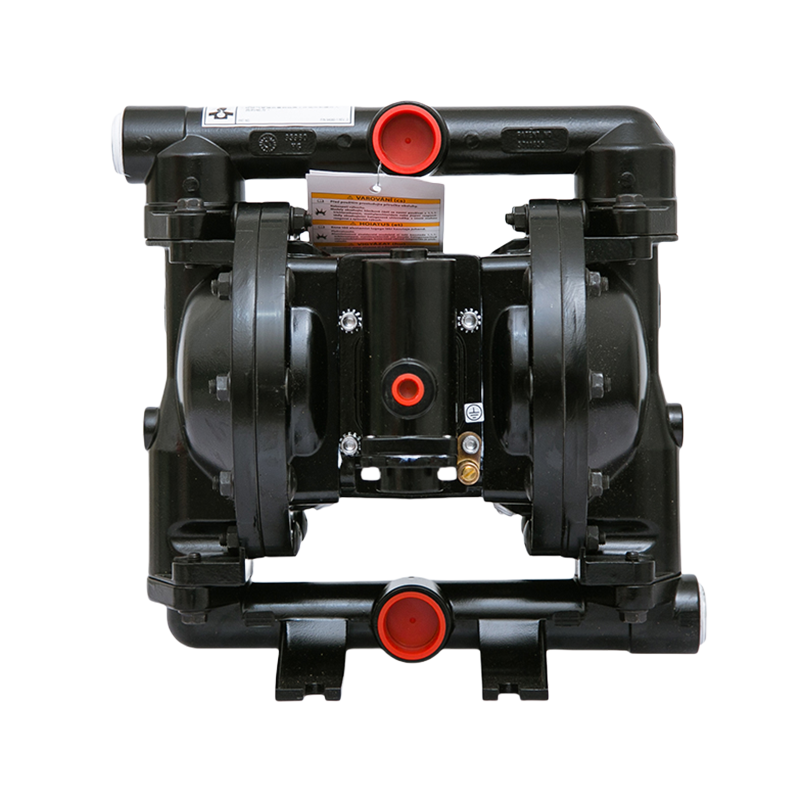
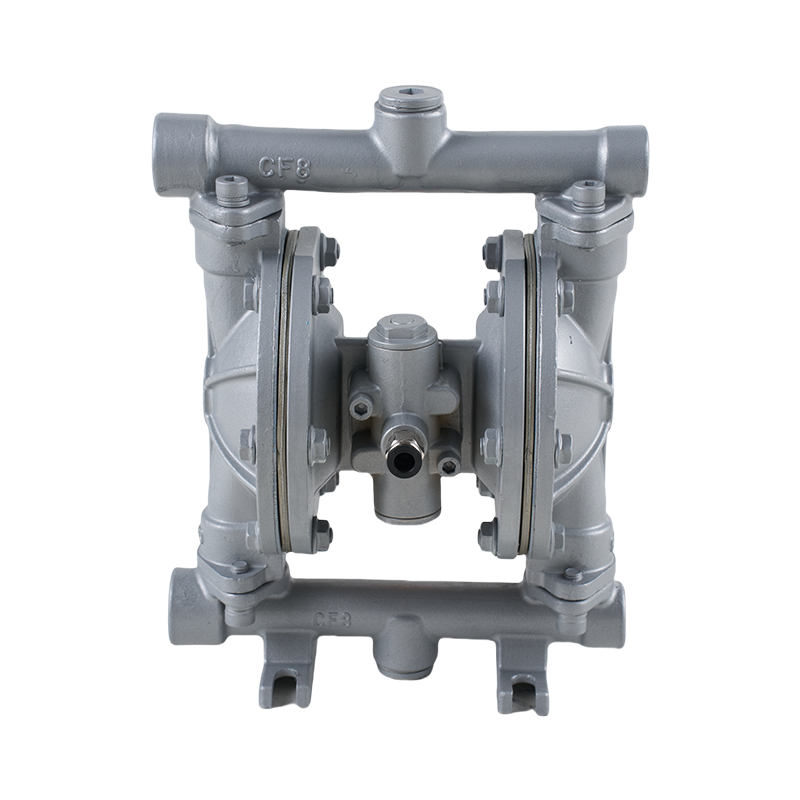
A pneumatic diaphragm pump has two chambers. Each chamber has a flexible diaphragm. Air pressure pushes one diaphragm. Fluid is pushed out of that chamber. At the same time, the other diaphragm pulls fluid in. The air valve switches. The cycle reverses. Fluid moves continuously.
The pump has no seals. No packing. The fluid only touches the diaphragm and the valves. That makes it good for dirty or abrasive fluids. Sand, mud, chemicals, and sludge pass through without damaging the pump.
The pump runs on compressed air, not electricity
No motor. No wiring. A pneumatic diaphragm pump manufacturer in China builds pumps that run on plant air or a portable compressor. The pump can run underwater. It can run in explosive atmospheres. No sparks. No shock risk.
Materials Determine What the Pump Can Handle
Housing material affects durability and chemical resistance
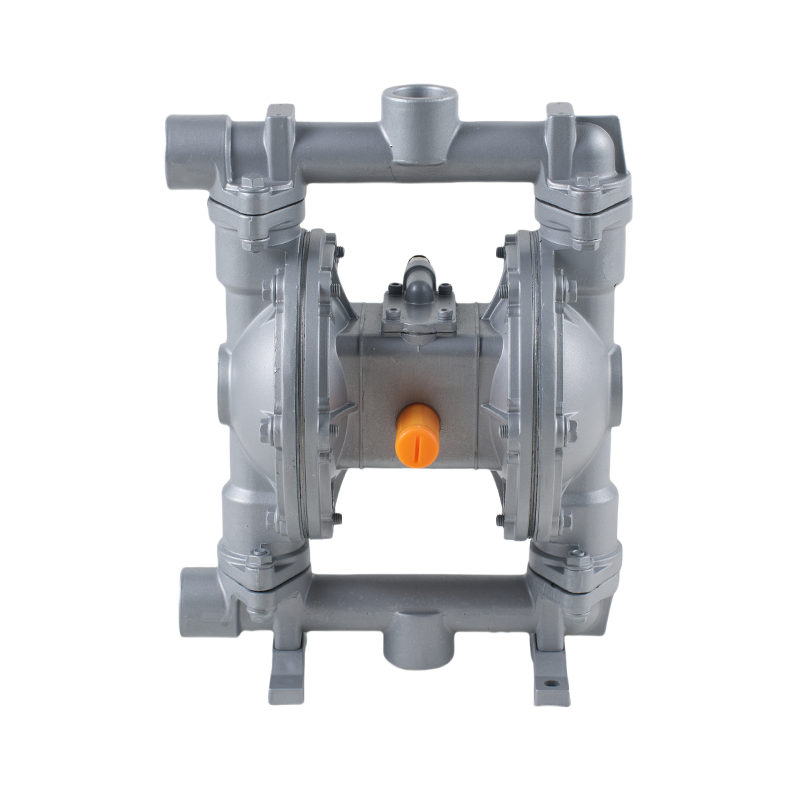
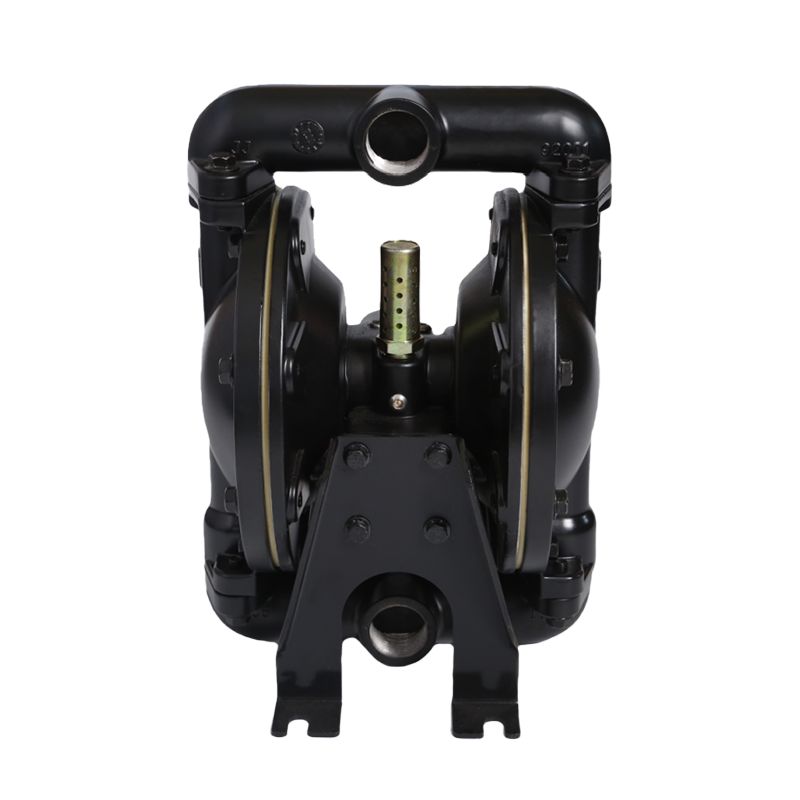
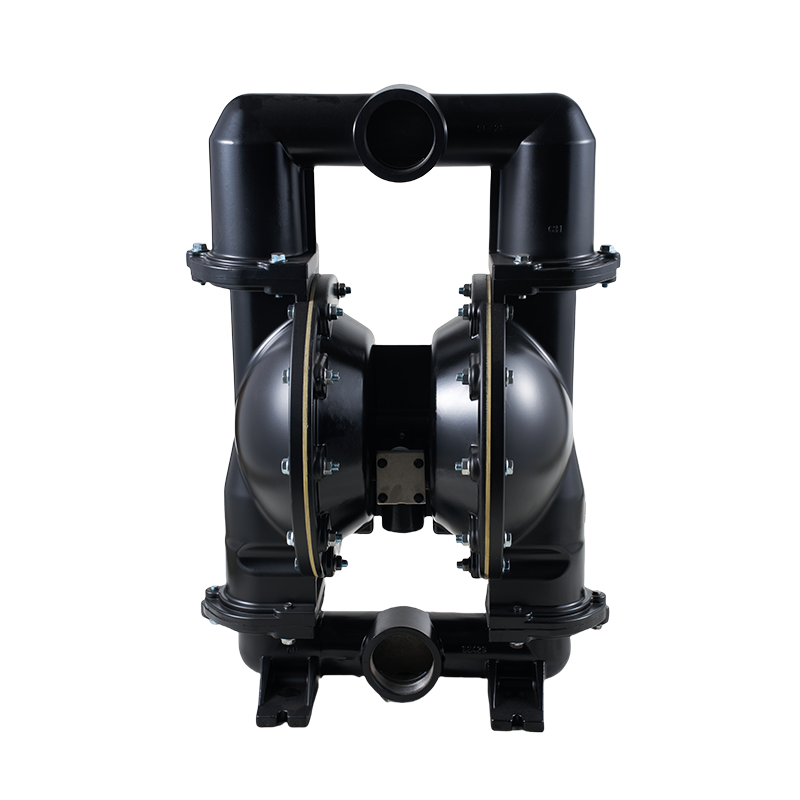
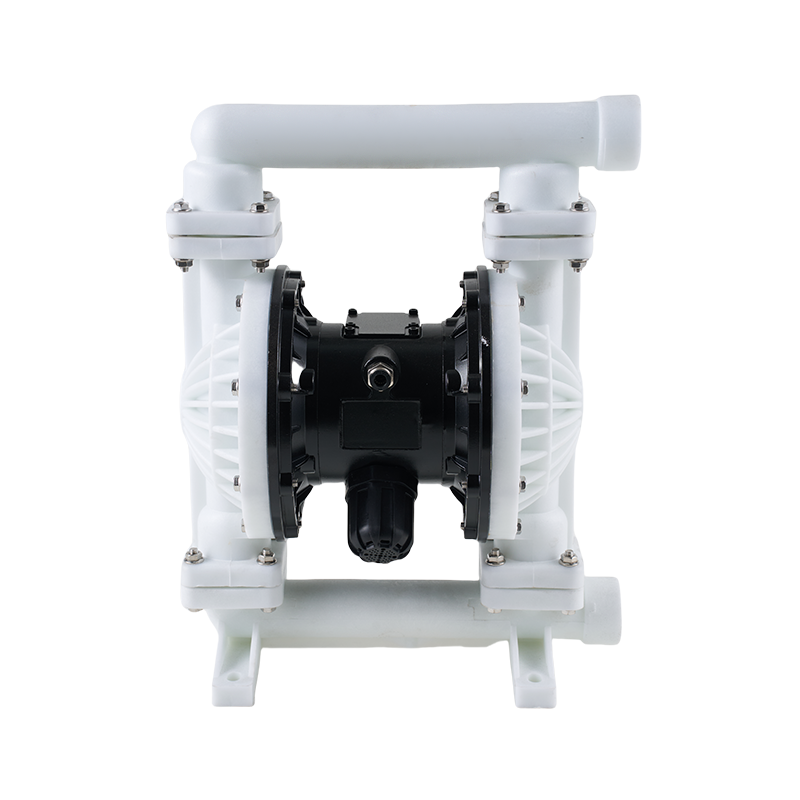
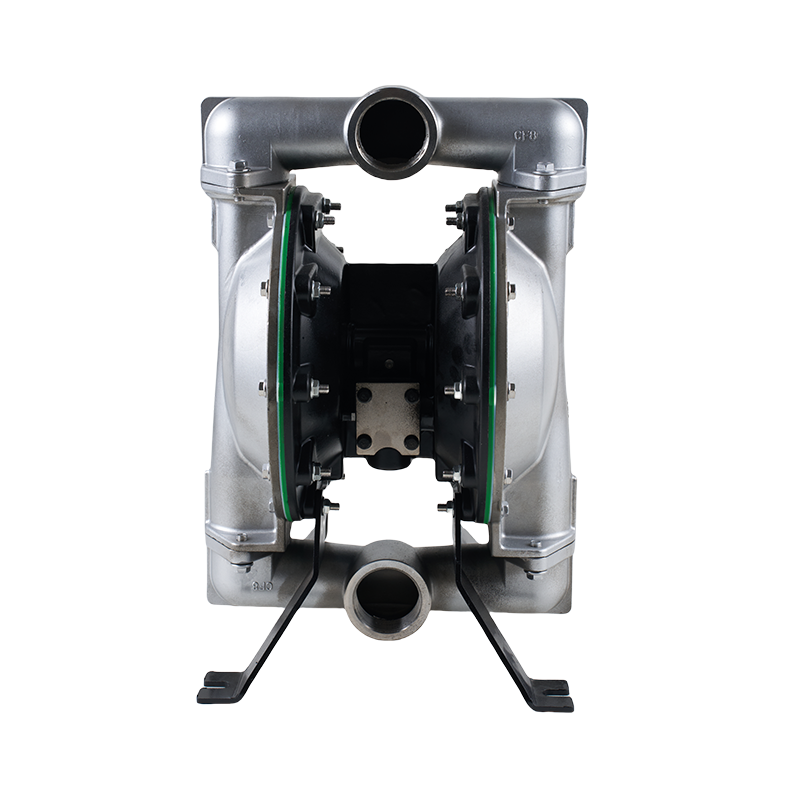
Aluminum housings are light. Good for portable pumps. Cast iron housings are heavy. They handle abrasion better. Stainless steel resists corrosion. A pneumatic diaphragm pump manufacturer in China offers all three.
Here is what housing materials are good for:
- Aluminum — water, light slurries, portable use
- Cast iron — sand, mud, heavy slurries, stationary use
- Stainless steel — food, chemicals, saltwater
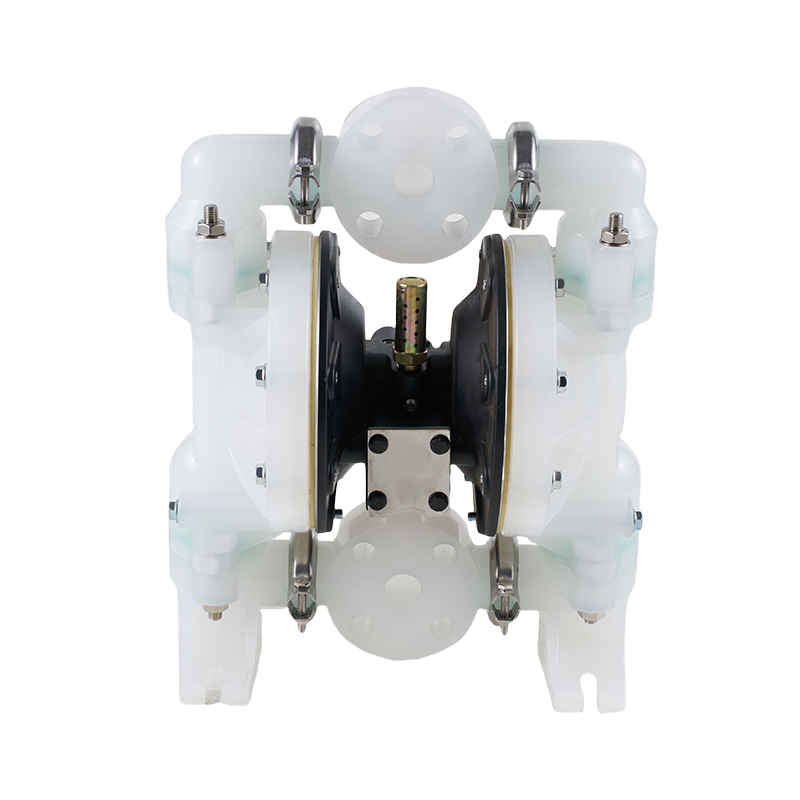
- Polypropylene — acids, caustics, aggressive chemicals
Diaphragm material is the heart of the pump
The diaphragm flexes millions of times. It needs to be tough. A pneumatic diaphragm pump manufacturer in China uses different materials for different fluids.
Santoprene is common. Good for water and mild chemicals. PTFE is for aggressive chemicals. Viton is for high temperatures and fuels. Buna-N is for oils and petroleum.
Cheap pumps use cheap diaphragms. They crack. The pump fails.
Here is what diaphragm materials handle:
- Santoprene — water, mild chemicals, general use
- PTFE — acids, solvents, aggressive chemicals
- Viton — high heat, fuels, oils
- Buna-N — petroleum, some chemicals
Valve type affects flow and durability
Small pumps use ball valves. A rubber ball seats against a ring. Fluid passes around it. Large pumps use flap valves. A rubber flap lifts. Fluid passes. The flap drops. It seals.
A pneumatic diaphragm pump manufacturer in China will recommend one based on your fluid. Solids need flap valves. Clean fluids work with ball valves.
Quality Control in a Chinese Pump Factory
Testing every pump or testing samples
A good manufacturer tests every pump before it ships. The pump runs on water. Flow is measured. Pressure is checked. Seals are inspected.
A factory that tests one pump per batch has a higher defect rate. You get the defective pump.
Material certifications matter
Ask for material certificates. The diaphragm should be genuine Santoprene or PTFE. The housing should be the specified grade of aluminum or stainless. A pneumatic diaphragm pump manufacturer in China that cannot provide certs is hiding something.
What to Check Before Ordering
Air consumption and flow rate
The pump needs enough air pressure to run. A pneumatic diaphragm pump manufacturer in China provides a performance curve. The curve shows flow at different air pressures. Match the pump to your compressor capacity.
Port size and connection type
Pumps come with threaded ports. NPT or BSP. The port size affects flow. A 1-inch port moves more fluid than a 1/2-inch port. The pneumatic diaphragm pump manufacturer in China should offer both.
Maintenance and spare parts
The pump needs parts eventually. Diaphragms wear out. Valves wear out. Ask about parts availability. A factory that does not stock parts will leave you with a dead pump.
Common Problems with Pumps from Less Reliable Manufacturers
The diaphragm cracks within weeks
Cheap rubber. No reinforcement. The diaphragm flexes a few thousand times. A crack forms. The pump loses prime. It stops moving fluid.
The air valve sticks
The air valve switches the air from one chamber to the other. Cheap air valves stick. The pump stops. You bang on it. It starts again. Then it sticks again.
The housing leaks
Cheap castings have porosity. Tiny holes in the metal. Under pressure, the holes connect. Fluid leaks. The housing is scrap.
The pump loses prime and will not self-prime
A pneumatic diaphragm pump should self-prime. It should pull fluid from a dry suction line. Cheap pumps do not. The valves leak. Air enters. The pump loses suction.
A pneumatic diaphragm pump manufacturer in China can be a good source. Prices are low. Selection is wide. Do your homework. Visit the factory if possible. See the quality control. Test samples before ordering a container.
Ask about materials. Get certificates. Specify diaphragm type, valve type, housing material. A vague purchase order gets a vague pump.
Pay a little more for a pump with PTFE diaphragms and stainless steel hardware. That pump lasts for years. The cheap pump fails in months.
China produces good pumps. China also produces bad ones. The difference is the factory. Do your homework. Your chemical line, your construction site, or your wastewater plant will thank you.
Copyright © Zhejiang Zhanbo Diaphragm Pump Manufacturing Co., Ltd.

OEM/ODM Diaphragm Pump Manufacturer