

 русский
 Español
 عربى
عربى


China Diaphragm Pump Factory: Smart Buying Tips
 2026.06.12
 Industry News
Diaphragm pumps move tough stuff. Muddy water. Chemical slurries. Oily waste. The pump has no seals. No packing. Just a flexible diaphragm that pulses back and forth. A China diaphragm pump factory produces millions of these pumps every year. Prices are low. Quality varies. Here is what buyers should check before placing an order.
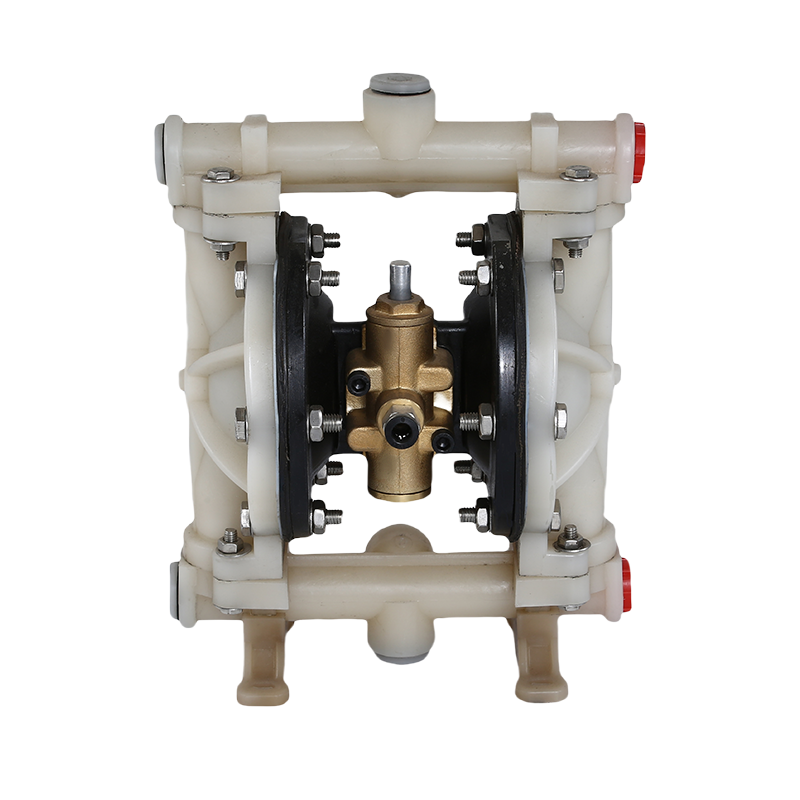
What a Diaphragm Pump Is and Why China Makes So Many
The pump uses a flexible diaphragm instead of seals or packing
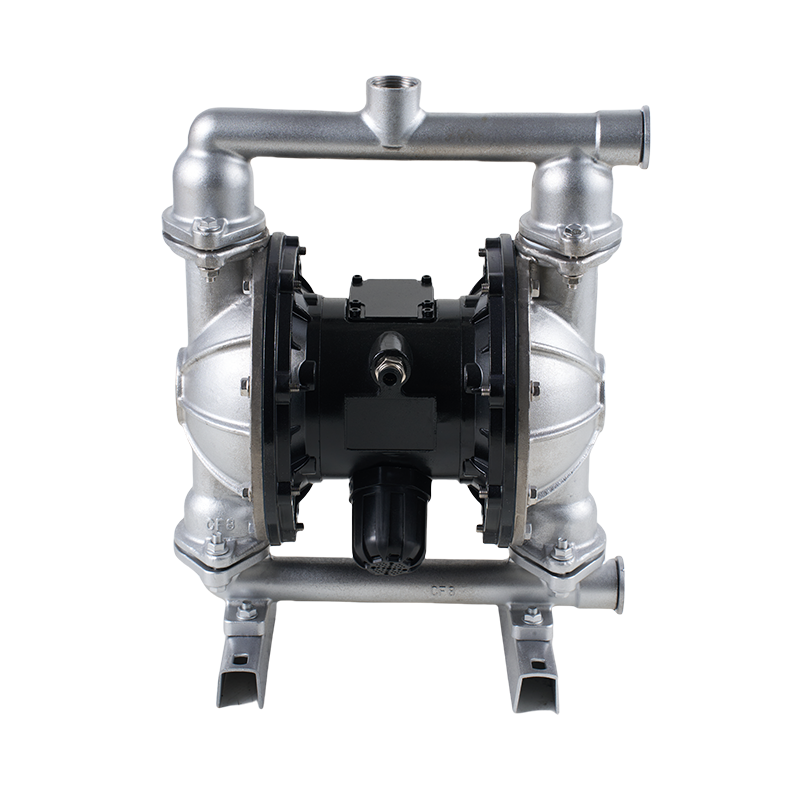
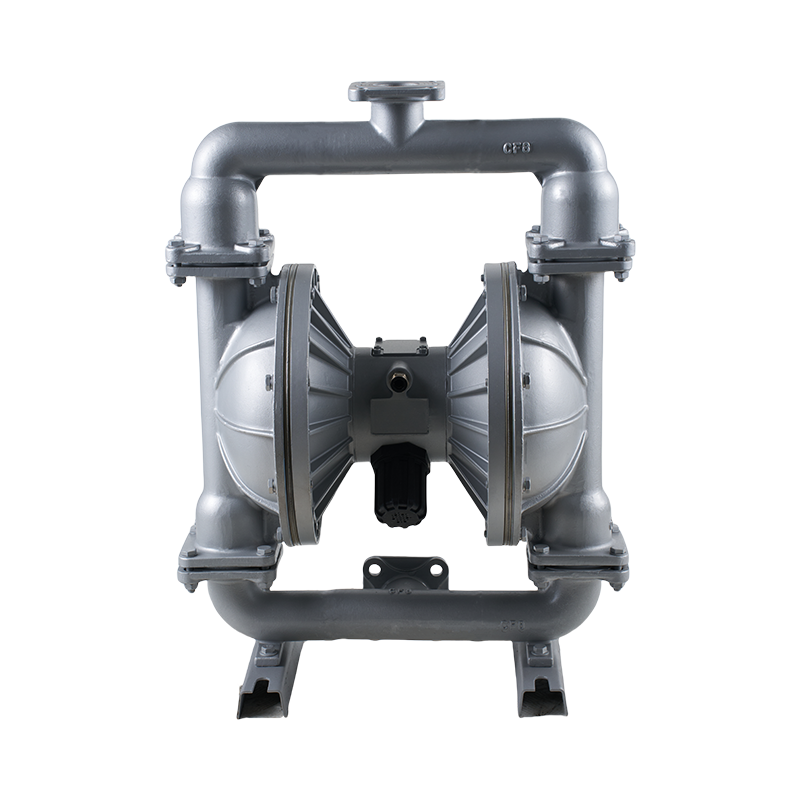
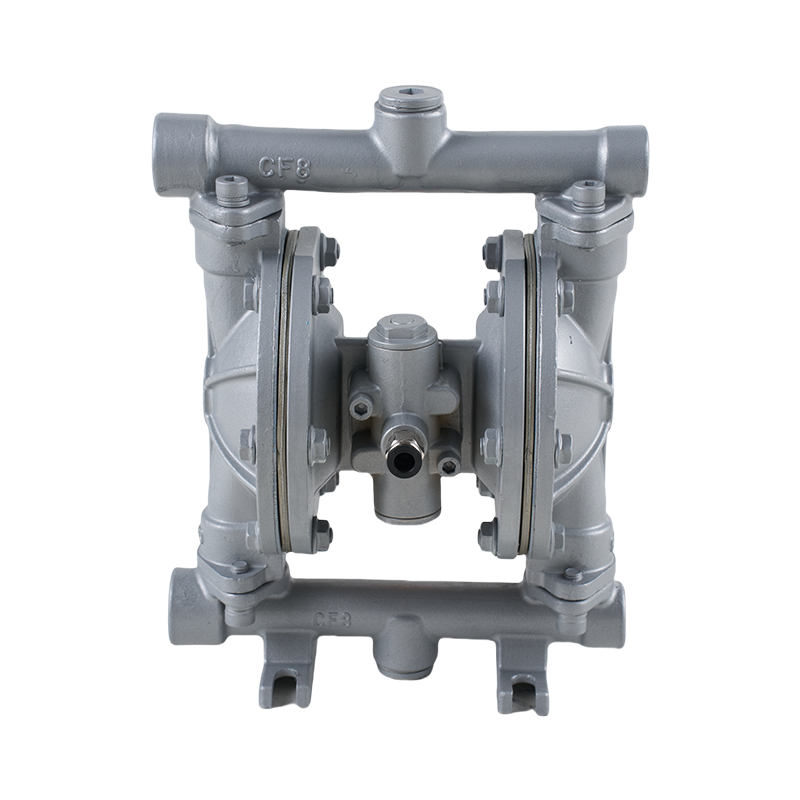
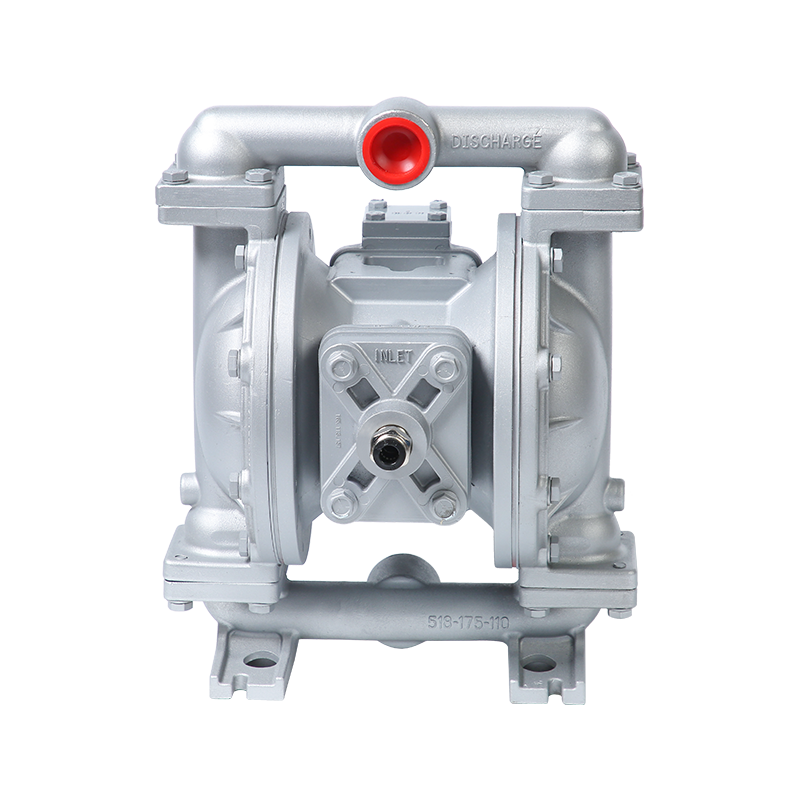
A diaphragm pump has two chambers. Each chamber has a diaphragm. Air or oil pushes the diaphragm one way. Fluid is pulled in. Then the diaphragm pushes the other way. Fluid is pushed out. The two diaphragms work opposite each other. Flow is smooth.
Because there are no seals or packing, a diaphragm pump handles dirty fluids. Sand. Sludge. Small rocks. The fluid does not touch the moving parts. Only the diaphragm and the valves touch the fluid.
China produces diaphragm pumps for irrigation, construction, and industry
A China diaphragm pump factory sells to farmers moving water from a pond. To construction crews dewatering a trench. To chemical plants transferring acids. The pumps are cheaper than American or European brands. Sometimes half the price.
But cheap does not always mean good value. A pump that fails in a month is not a bargain.
Materials Determine What the Pump Can Handle
Housing material: aluminum, cast iron, or plastic
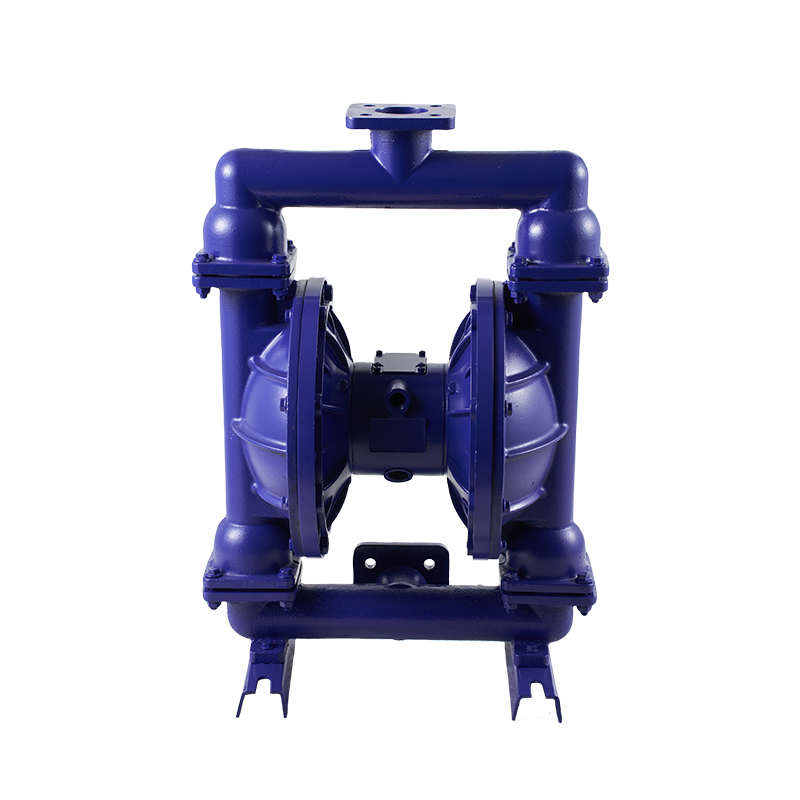
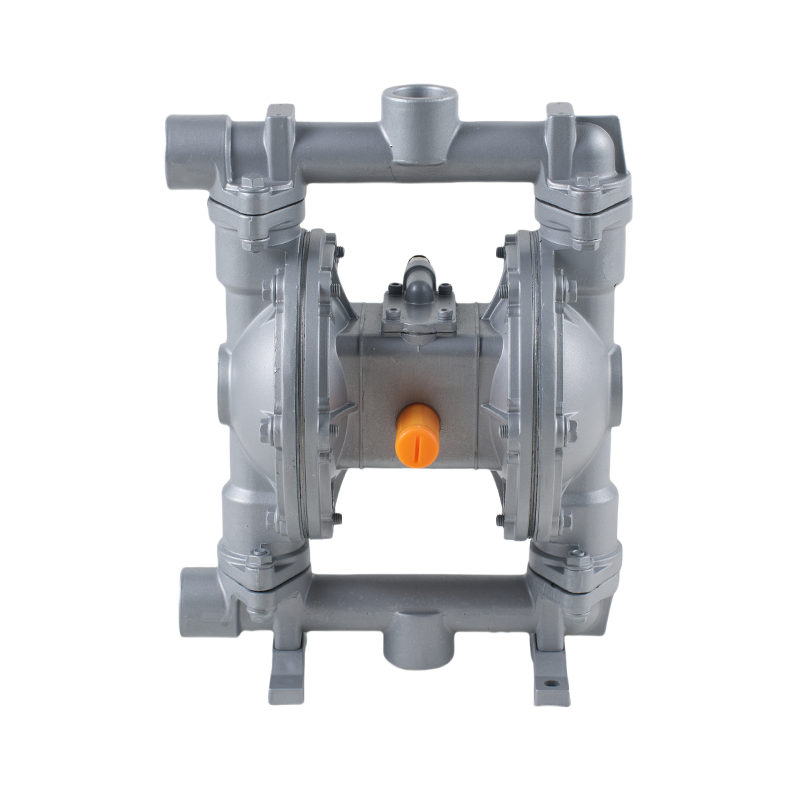
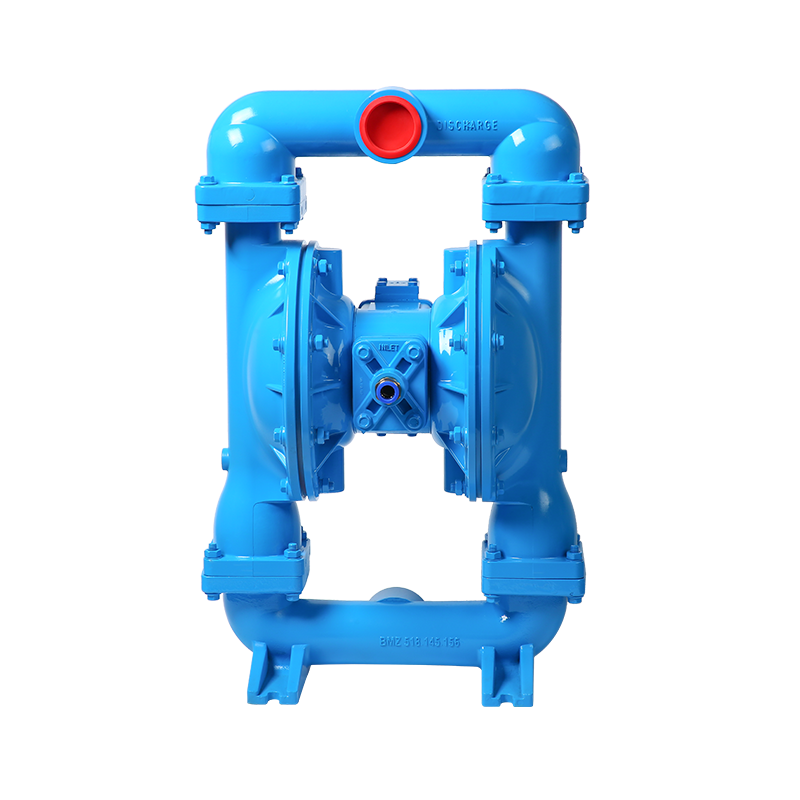
Aluminum housings are light. Good for portable pumps. Cast iron housings are heavy. They handle abrasion better. Plastic housings (polypropylene, PVDF) are for chemicals. A China diaphragm pump factory offers all three.
Here is what housing materials are good for:
- Aluminum — water, light slurries, portable use
- Cast iron — sand, mud, heavy slurries, stationary use
- Polypropylene — acids, caustics, chemicals
- PVDF — aggressive chemicals, high temperatures
Diaphragm material: the heart of the pump
The diaphragm flexes millions of times. It needs to be tough. A China diaphragm pump factory uses different materials for different fluids.
Santoprene is common. Good for water and mild chemicals. PTFE is for aggressive chemicals. Viton is for high temperatures and fuels. Buna-N is for oils and petroleum.
Cheap pumps use cheap diaphragms. They crack. The pump fails. The buyer saves $50 on the pump and loses $500 in downtime.
Here is what diaphragm materials handle:
- Santoprene — water, mild chemicals, general use
- PTFE — acids, solvents, aggressive chemicals
- Viton — high heat, fuels, oils
- Buna-N — petroleum, some chemicals
Valve material: ball or flap
Small diaphragm pumps use ball valves. A rubber ball seats against a ring. Dirty fluid passes around it. Simple. Reliable.
Large diaphragm pumps use flap valves. A rubber flap lifts. Fluid passes. The flap drops. Seals. A China diaphragm pump factory will recommend one or the other based on your fluid.
Quality Control in a China Diaphragm Pump Factory
Testing every pump or testing samples
A good China diaphragm pump factory tests every pump before it ships. The pump runs on water. Flow is measured. Pressure is checked. Seals are inspected for leaks.
A cheap factory tests one pump per batch. One hundred pumps leave. One gets tested. If that one works, all one hundred ship. That factory has a higher defect rate. The buyer gets the defective pump.
Material certifications matter
Ask for material certificates. The diaphragm should be genuine Santoprene or PTFE, not a cheap copy. The housing should be the grade of aluminum or cast iron specified.
A China diaphragm pump factory that cannot provide certs is hiding something. Find another factory.
What Goes Wrong with Cheap Diaphragm Pumps from China
The diaphragm cracks within weeks
Cheap rubber. No reinforcement. The diaphragm flexes a few thousand times. A crack forms. The pump loses prime. It moves less fluid. Then it stops moving fluid at all.
The valves leak and the pump loses prime
Ball valves need to seal tightly. A cheap rubber ball is out of round. It does not seat. Fluid leaks back through the valve. The pump loses suction. It cannot pull fluid from the source.
The air valve sticks
Air-operated diaphragm pumps use an air valve to switch the air from one chamber to the other. Cheap air valves stick. The pump stops. The operator bangs on the valve. It starts again. Then it sticks again.
The housing cracks from cold or pressure
Cheap castings have porosity. Tiny holes inside the metal. Under pressure, the holes connect. A crack forms. Fluid leaks. The housing is scrap.
A China diaphragm pump factory can be a good source. Prices are low. Selection is wide. But the buyer needs to do the work.
Visit the factory if possible. See the production line. Check the quality control. Test samples before ordering a container.
Ask about materials. Get certificates. Specify diaphragm type, valve type, housing material. A vague purchase order gets a vague pump.
Pay a little more for a pump with PTFE diaphragms and stainless steel hardware. That pump lasts for years. The cheap pump fails in months. Spend once. Be done.
China produces good diaphragm pumps. China also produces bad ones. The difference is the factory. Do your homework. Your irrigation line, your construction site, or your chemical plant will thank you.

Copyright © Zhejiang Zhanbo Diaphragm Pump Manufacturing Co., Ltd.

OEM/ODM Diaphragm Pump Manufacturer