

 русский
 Español
 عربى
عربى


Customized Diaphragm Pump: Built for Your Fluid, Not Someone Else's
 2026.06.05
 Industry News
Off-the-shelf diaphragm pumps work fine for standard applications. Water transfer. Mild chemicals. General dewatering. But specialty fluids — abrasive slurries, high-viscosity pastes, corrosive acids — kill standard pumps. Seals leak. Valves clog. Diaphragms fail. A customized diaphragm pump solves these problems because every component gets selected or modified for the specific fluid.
What Gets Customized on a Diaphragm Pump
Wetted materials
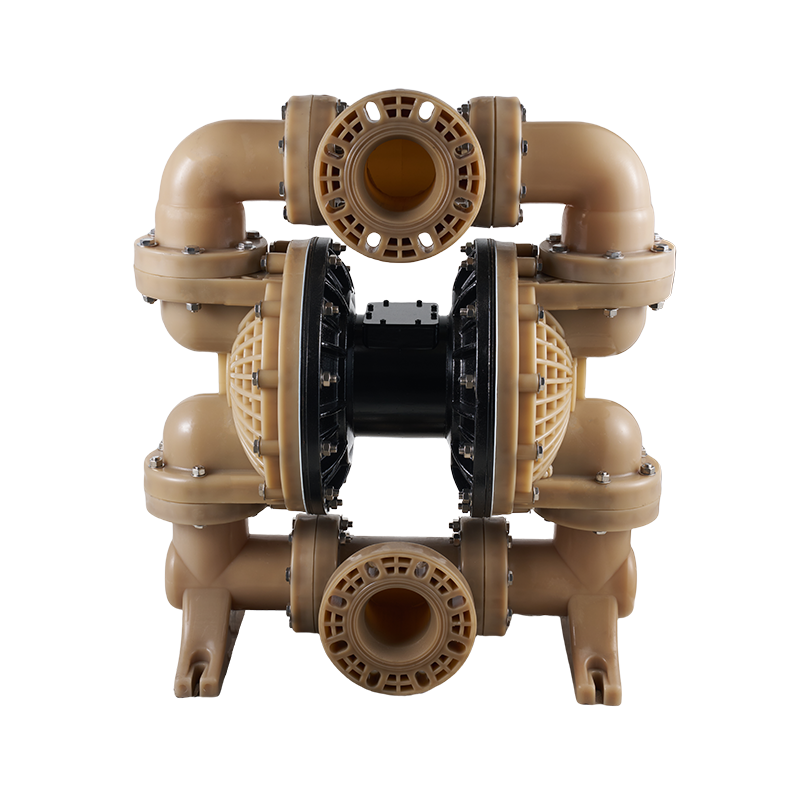
The parts that touch the fluid matter most. A customized diaphragm pump can use different materials for the housing, diaphragms, valves, and seals. Standard pumps use general-purpose materials. Custom pumps match the fluid.
For acidic fluids, the housing might be polypropylene or PVDF with PTFE diaphragms. For abrasive slurries, the pump gets hardened stainless steel or ceramic valves. For food products, the pump uses FDA-compliant elastomers.
Port configurations and connections
Standard pumps have fixed port sizes and locations. A customized diaphragm pump can have ports moved, resized, or reoriented. Need the inlet on the left instead of the front? Done. Need NPT threads instead of BSP? No problem.
Port size matters for viscosity. Thick fluids need larger ports to reduce flow resistance. A customized diaphragm pump for heavy grease might have double the standard port diameter.
Why Standard Pumps Fall Short
The viscosity problem
Standard diaphragm pumps are designed for water-like fluids. Thin, low-viscosity, easy to move. Pump thick material through the same valve system, and the pump slows down. Valves do not seat properly. The pump loses prime.
A customized diaphragm pump for high-viscosity fluids uses larger ball valves or flap valves. The valve mechanism stays open longer, letting thick material flow through before closing.
The abrasion problem
Fluids with suspended solids wear out standard pumps quickly. Sand in water. Ground limestone in slurry. The solids erode valve seats and pit diaphragm surfaces. A standard pump might last weeks.
A customized diaphragm pump with hardened components lasts years. Ceramic valves and reinforced diaphragms handle abrasive fluids without rapid wear.
The chemical compatibility problem
Standard elastomers work with a range of mild chemicals. Aggressive fluids attack them. The diaphragm swells. The seals dissolve. A customized diaphragm pump matches every wetted component to the specific chemical being pumped.
Common material options include:
- PTFE for aggressive chemicals — nearly universal resistance
- Santoprene for general industrial use — good abrasion resistance
- Viton for high-temperature and fuel applications
- EPDM for water, mild acids, and alkalis
Key Design Decisions in a Custom Pump
Diaphragm selection
The diaphragm is the heart of the pump. Standard pumps use one diaphragm material for everything. A customized diaphragm pump selects the diaphragm based on fluid properties.
Thickness also changes. Thicker diaphragms handle higher pressures but require more force to move. Thinner diaphragms are more efficient but wear faster. The custom design balances these factors.
Valve selection
Diaphragm pumps use check valves to control flow direction. Standard pumps use ball valves — simple and reliable for clean fluids. A customized diaphragm pump for challenging fluids might use different valve types:
- Ball valves for clean fluids and small solids
- Flap valves for thick pastes and large particles
- Poppet valves for high pressures and precise sealing
Air motor modifications
Air-operated diaphragm pumps use an air motor to drive the diaphragms. A customized diaphragm pump can adjust the air motor for specific pressure and flow needs. Need high pressure but low flow? Different center block. Need high flow but low pressure? Different configuration.
When Customization Makes Sense
Low-volume, high-value fluids
Expensive fluids justify the extra cost of a customized diaphragm pump. A pump failure that wastes thousands of dollars of product pays for the custom pump many times over.
Harsh operating environments
Outdoor installations in bad temperatures. Washdown environments with daily chemical cleaning. Hazardous locations. A customized diaphragm pump can include features for these conditions — weather covers, stainless steel hardware, ATEX certification.
Long production runs
If a pump runs 24/7, reliability matters. A customized diaphragm pump designed for that specific duty cycle will outlast several standard pumps. Less downtime. Lower maintenance cost.
Standard pumps cover a lot of ground. But when the fluid is unusual, the environment is harsh, or the duty cycle is bad, customization pays off. A customized diaphragm pump costs more upfront. But the right pump — matched to the fluid and application — costs less over its lifetime than a series of standard pumps that fail early.
Copyright © Zhejiang Zhanbo Diaphragm Pump Manufacturing Co., Ltd.

OEM/ODM Diaphragm Pump Manufacturer