

 русский
 Español
 عربى
عربى


Double Diaphragm Pump: Moving Tough Fluids Without Seals or Packing
 2026.06.26
 Industry News
A standard pump has seals and packing. They wear out. They leak. A double diaphragm pump has none of that. It uses two flexible diaphragms that pulse back and forth. The fluid only touches the diaphragms and the valves. No seals to fail. No packing to leak. Here is what buyers should know.
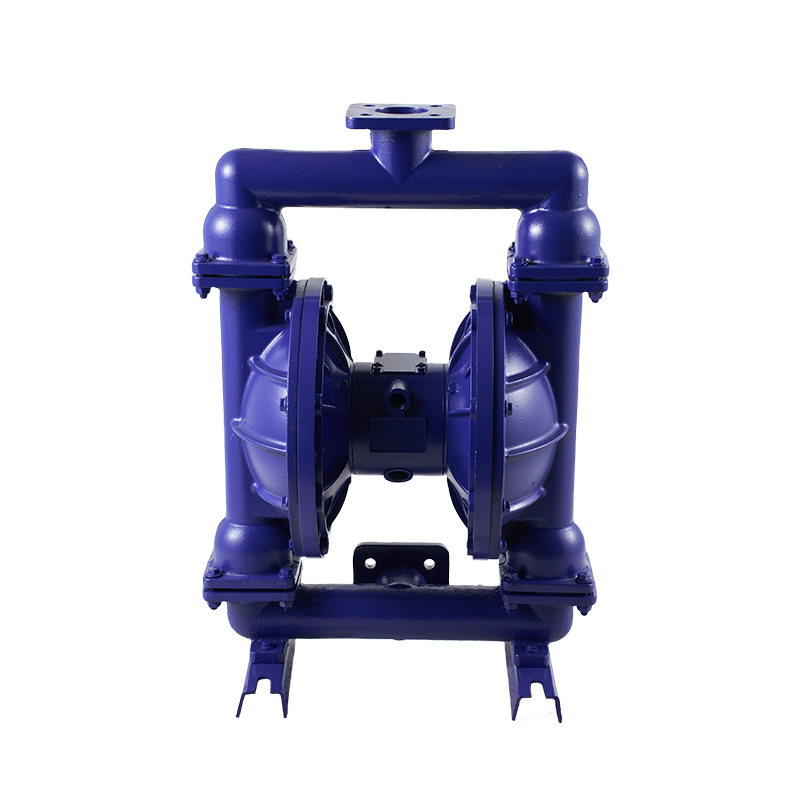
What a Double Diaphragm Pump Does
The pump moves fluid using compressed air or hydraulic pressure
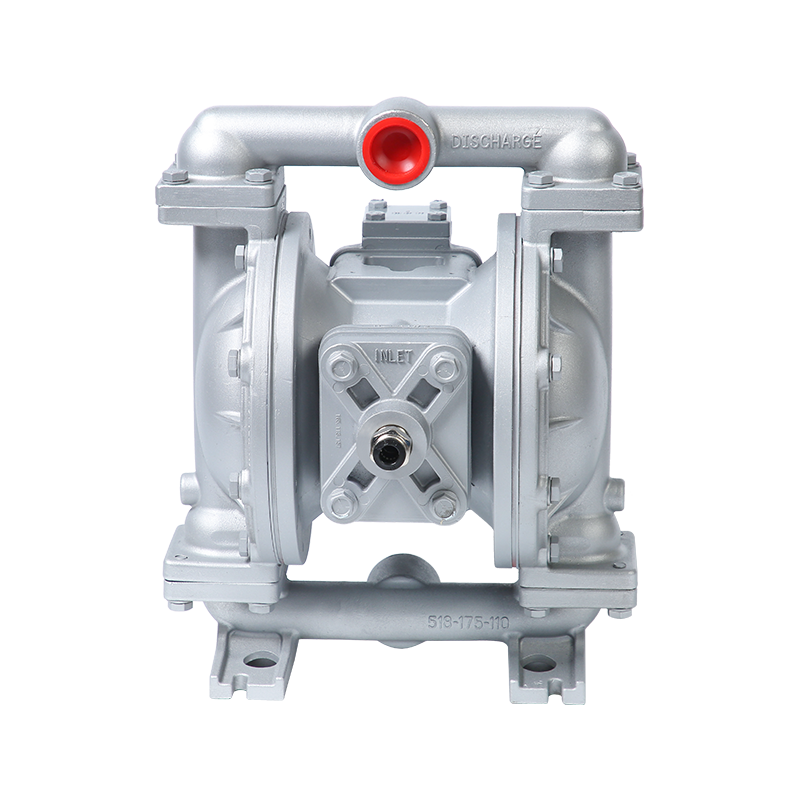
A double diaphragm pump has two chambers. Each chamber has a diaphragm. Air or oil pushes one diaphragm. Fluid is pushed out of that chamber. At the same time, the other diaphragm pulls fluid in. The cycle reverses. Fluid moves continuously.
The diaphragms work opposite each other. One pulls in while the other pushes out. The flow is smooth. The pump runs without pulsing.
The pump handles dirty and abrasive fluids
The fluid only touches the diaphragms and the valves. It does not touch the moving parts. A double diaphragm pump handles sand, mud, chemicals, and sludge. The fluid passes through without damaging the pump.
Where Double Diaphragm Pumps Get Used
Industrial and chemical processing
Chemicals are corrosive. A double diaphragm pump with PTFE diaphragms handles acids and caustics. The pump does not leak. The fluid stays contained.
Wastewater and sludge
Wastewater has solids. A double diaphragm pump handles them. The diaphragms flex. The valves open and close. The solids pass through.
Mining and construction
Muddy water. Slurries. A double diaphragm pump moves them. No seals to clog. No packing to wear out.
What to Look for in a Double Diaphragm Pump
Diaphragm material
The diaphragm is the key component. Santoprene handles water and mild chemicals. PTFE handles aggressive chemicals. Viton handles high temperatures. A double diaphragm pump with the right diaphragm material lasts longer.
Valve type
Ball valves are common. They handle clean fluids and small solids. Flap valves handle thicker fluids and larger solids. A double diaphragm pump with flap valves moves more viscous materials.
Housing material
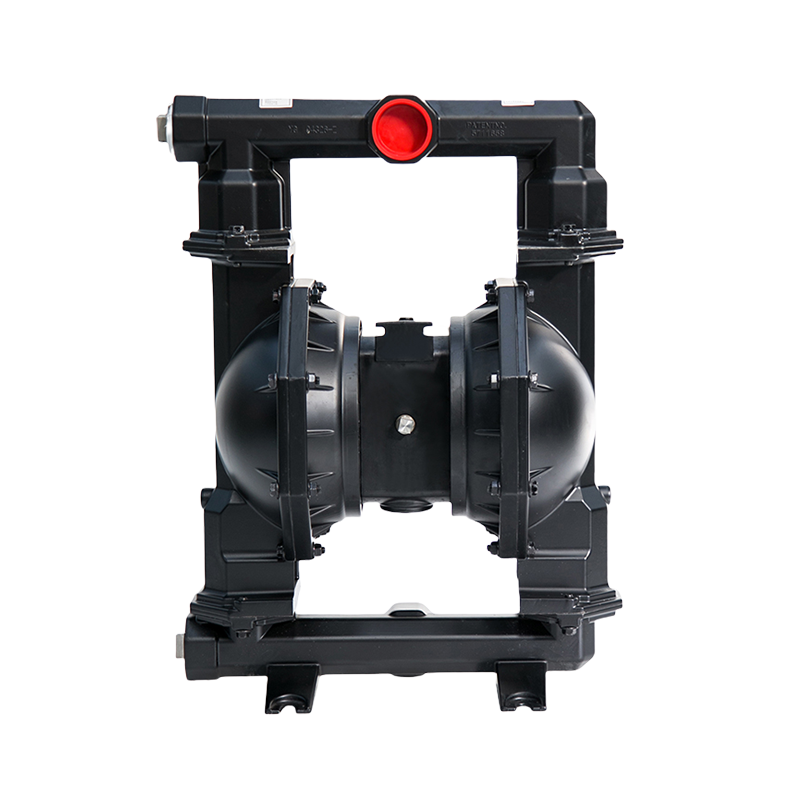
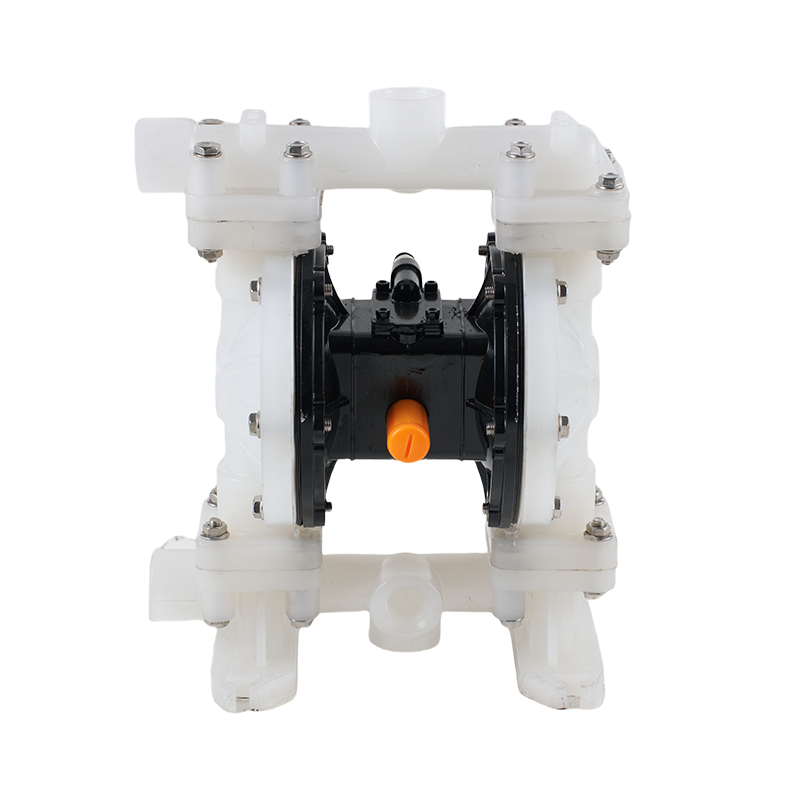
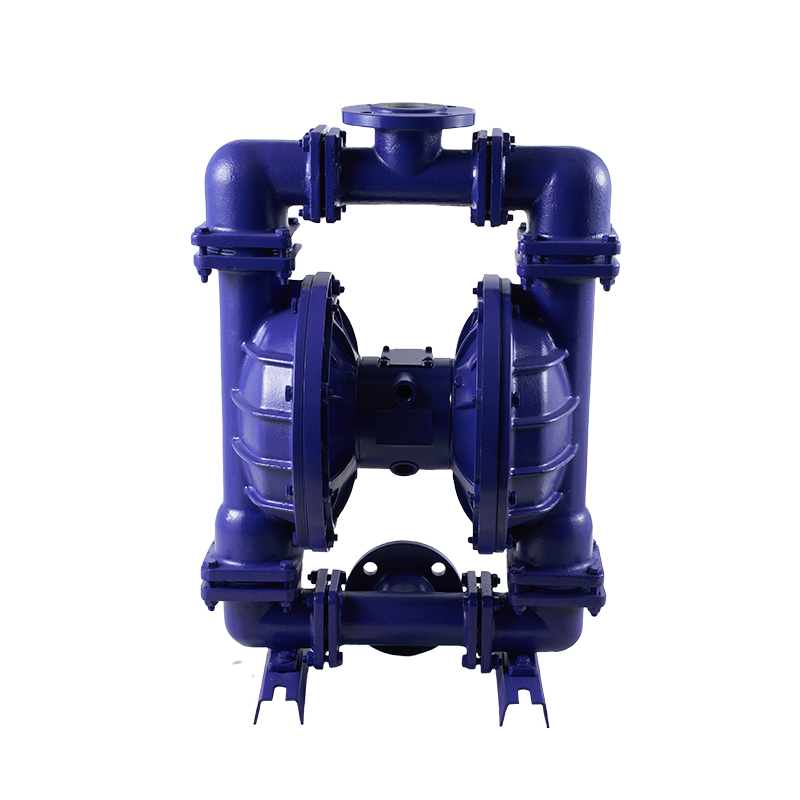
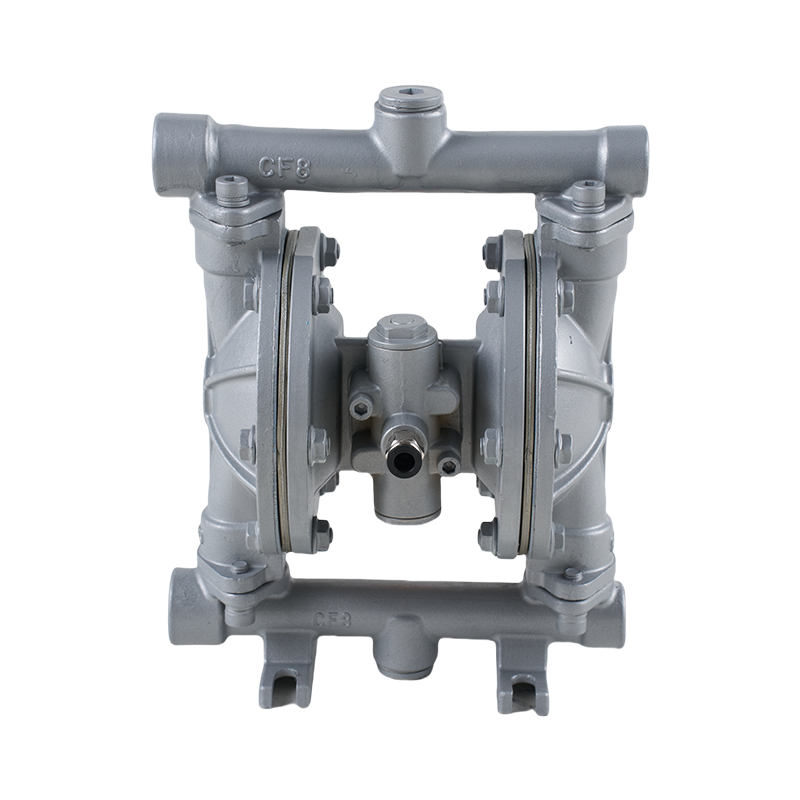
Aluminum is light. Cast iron is heavy. Stainless steel resists corrosion. A double diaphragm pump with the right housing material matches the application.
Here is what to check:
- Diaphragm material — matches the fluid
- Valve type — ball or flap
- Housing — aluminum, iron, or stainless
- Port size — matches the piping
What Goes into Manufacturing Double Diaphragm Pumps
Diaphragm molding
The diaphragms are molded from elastomer or PTFE. A double diaphragm pump uses precision molds. The diaphragms are consistent. They flex evenly.
Valve assembly
The valves are assembled into the housing. Ball valves use a ball and seat. Flap valves use a flexible flap. A double diaphragm pump with quality valves seals tightly.
Testing
Every pump is tested. Flow rate. Pressure. Seals. A double diaphragm pump is tested before it leaves the factory.
Why Choose a Double Diaphragm Pump
No seals to fail
Seals wear out. They leak. A double diaphragm pump has no seals. The diaphragms flex. The fluid stays contained.
Handles solids
Solids pass through the pump. A double diaphragm pump handles particles up to the port size.
Self-priming
The pump pulls fluid from a dry line. A double diaphragm pump self-primes. It does not need to be filled before starting.
Double Diaphragm Pump Advantages
Runs dry without damage
The pump can run dry. No seals to burn out. A double diaphragm pump runs dry without damage.
Variable flow
Adjust the air pressure. The flow changes. A double diaphragm pump delivers variable flow.
Easy maintenance
The diaphragms and valves are easy to replace. A double diaphragm pump is simple to service.
A double diaphragm pump is a versatile pump. It handles tough fluids. It runs dry without damage. It self-primes. It has no seals to fail. Choose the right diaphragm material, valve type, and housing. A good pump lasts for years. It moves fluid reliably. That is what a double diaphragm pump delivers. Tough pumping. Simple maintenance. Reliable operation.
Copyright © Zhejiang Zhanbo Diaphragm Pump Manufacturing Co., Ltd.

OEM/ODM Diaphragm Pump Manufacturer