

 русский
 Español
 عربى
عربى


How Can Tailored Pumps Improve Plant Workflow
 2026.04.17
 Industry News
How Tailored Fluid Transfer Systems Address Unique Industrial Challenges
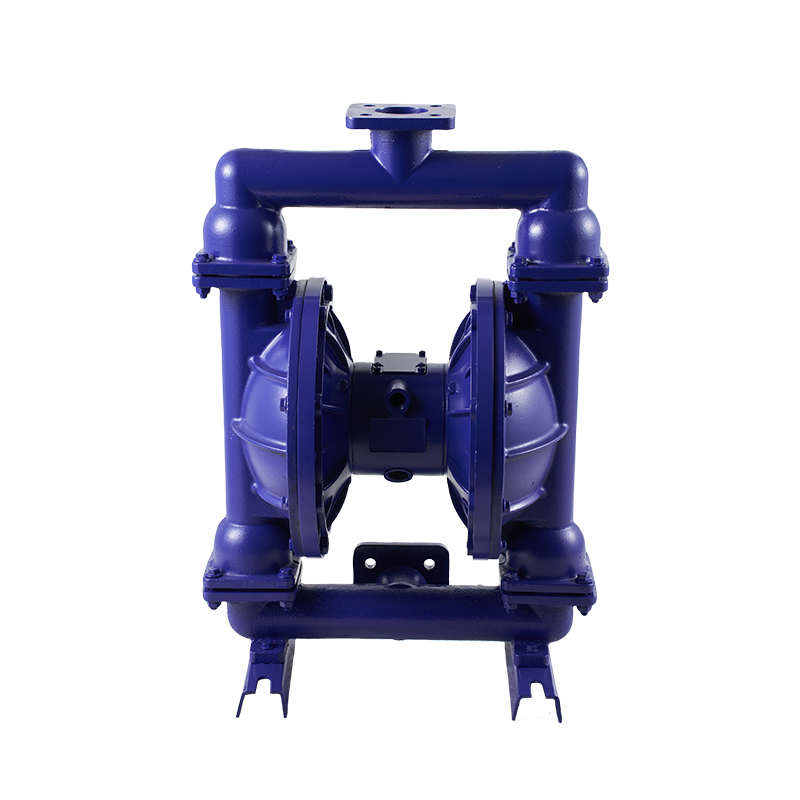
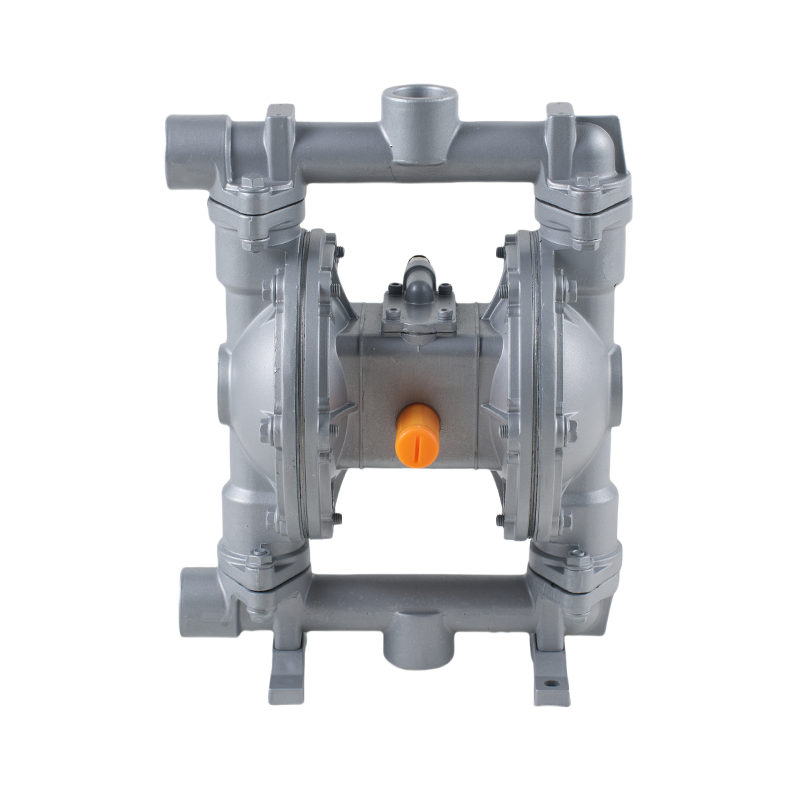
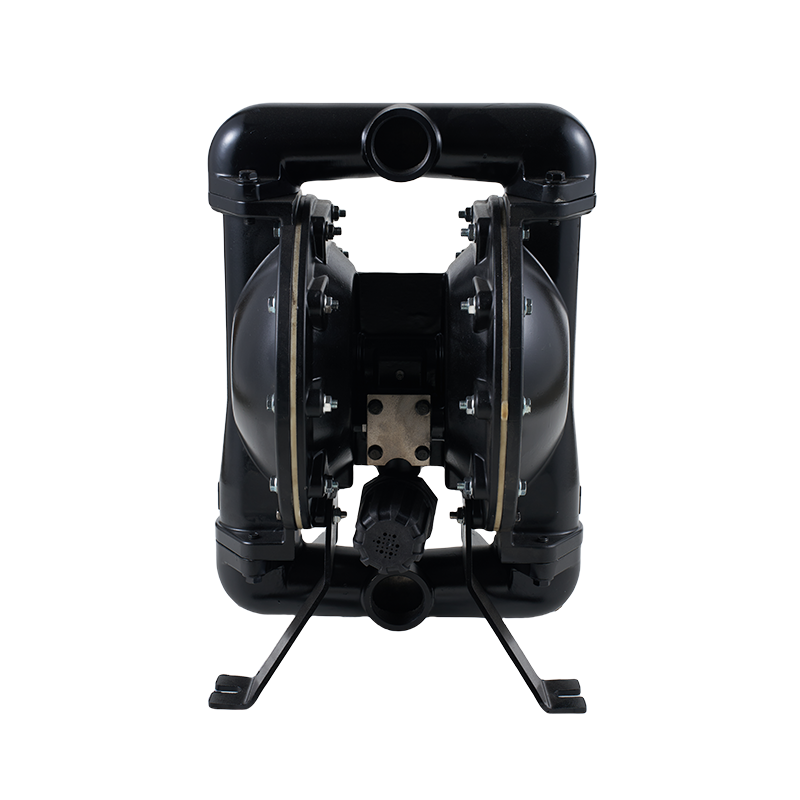
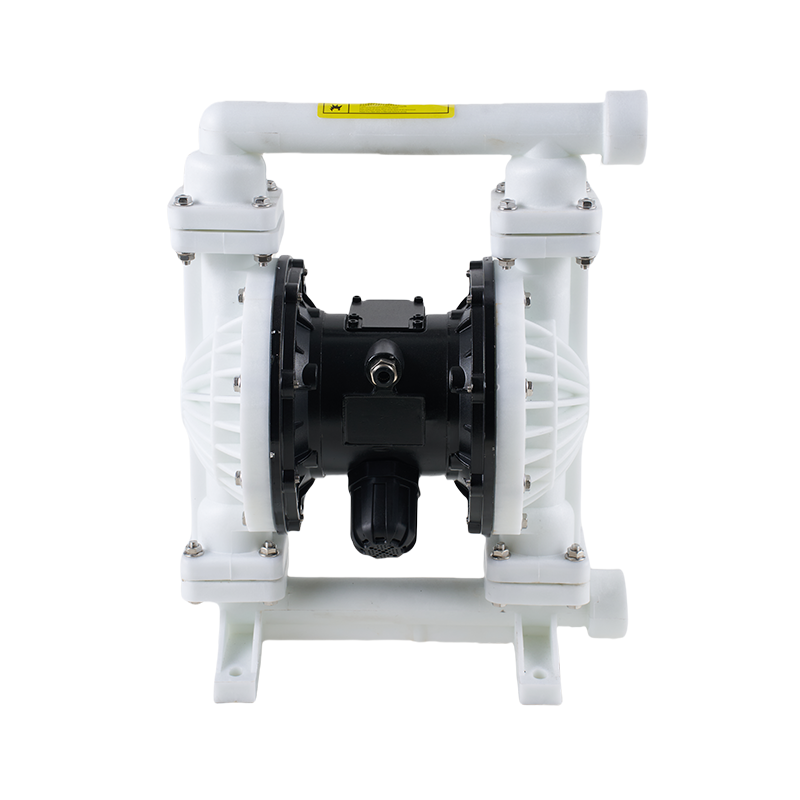
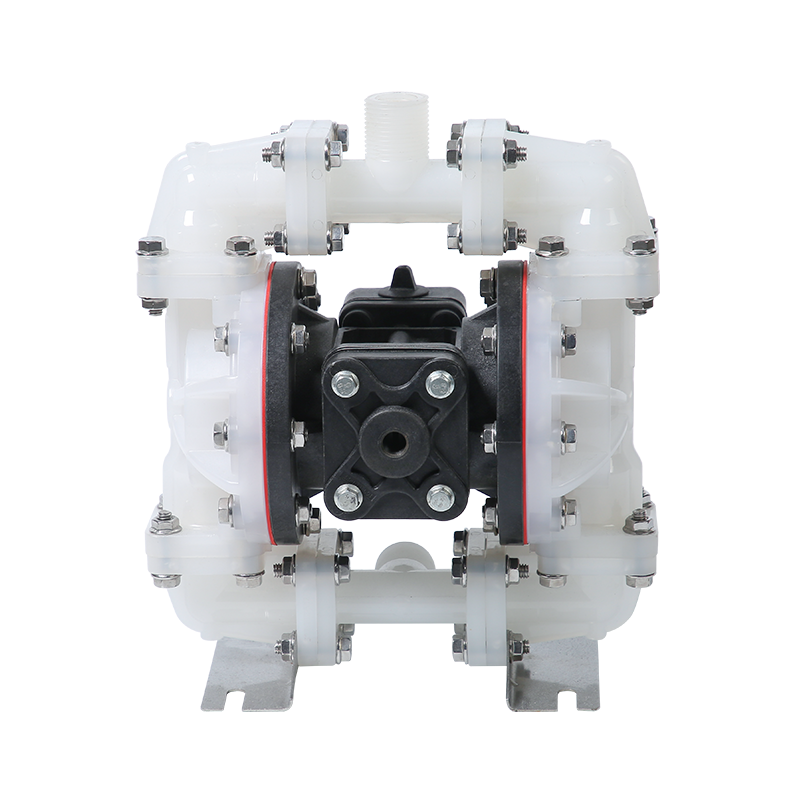
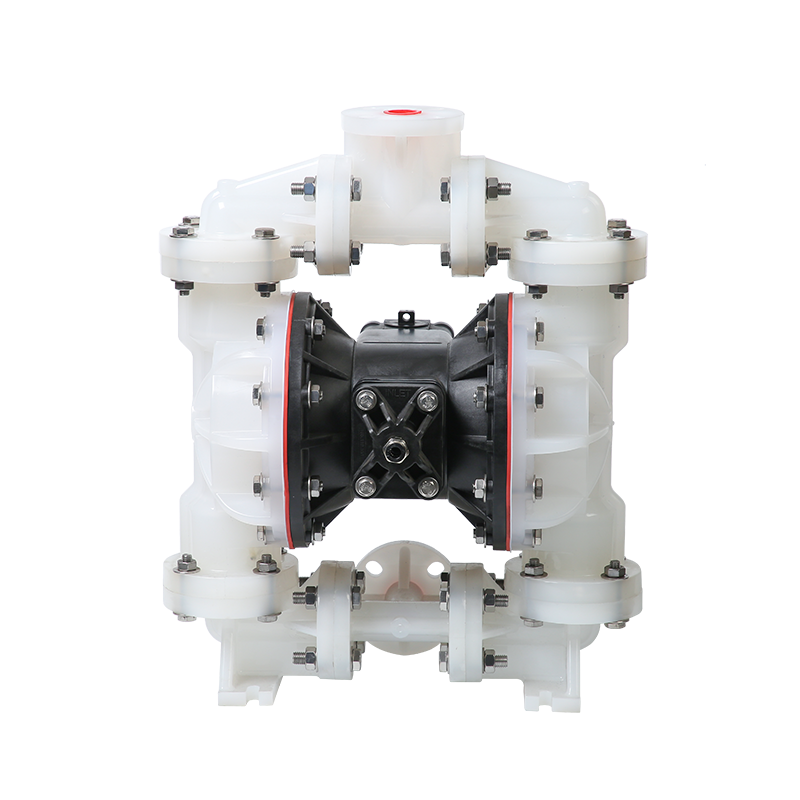
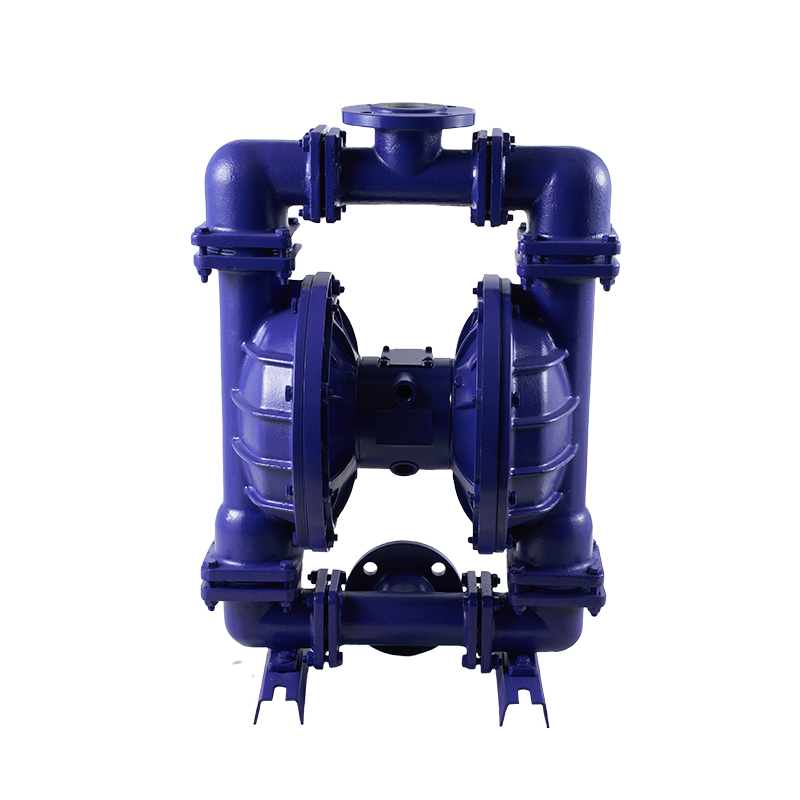
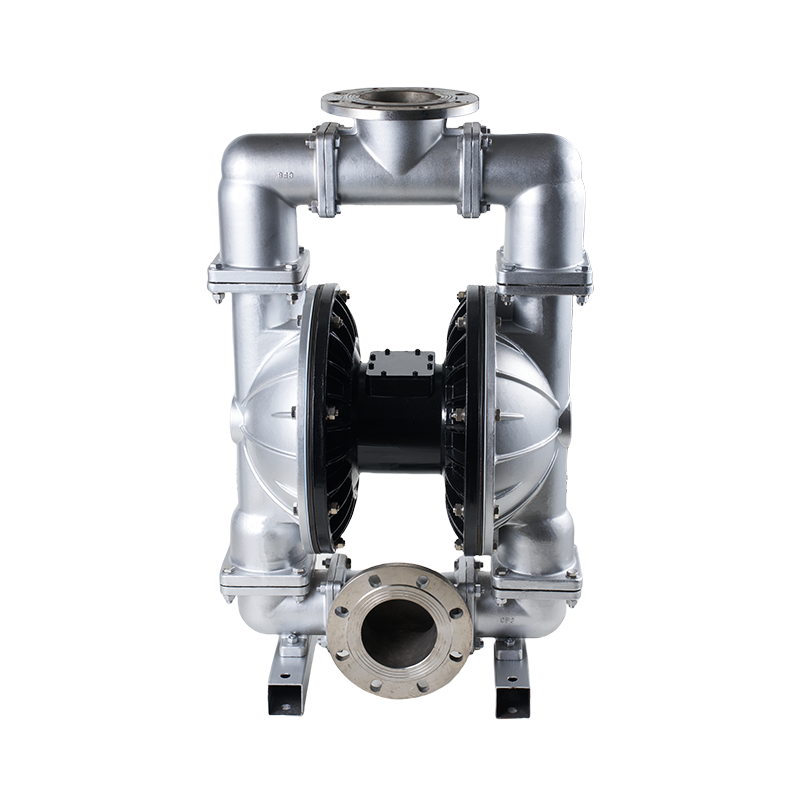
In factories and processing plants across many sectors, moving liquids safely and consistently is a daily necessity. Customized Diaphragm Pump solutions have grown popular because they offer a flexible way to handle everything from gentle water-like fluids to thick, aggressive, or particle-laden mixtures without mixing drive components with the product. The core idea is straightforward: a flexible barrier separates the mechanical side from whatever is being pumped, cutting down on leaks and contamination while letting the unit adapt to tough conditions.
Plant managers and maintenance teams often face the same frustrations with standard equipment. A catalog model might look good on paper but falls short once installed—maybe it struggles with viscosity changes, corrodes faster than expected, or requires constant adjustments that disrupt production. That's where working with manufacturers on made-to-order designs really shines. Instead of forcing your process to fit the pump, you can shape the pump to support your actual operating reality.
Over years of supporting facilities in chemical plants, food lines, water treatment sites, and pharmaceutical operations, we've heard recurring questions. How do you evaluate options for your specific flow needs? What details should you prepare before requesting a quote? How do you keep everything running without frequent downtime? Why does customization often pay off across different fields? Which construction materials hold up with various substances? And how do you identify partners who provide ongoing help after delivery?
This guide pulls together practical insights from those real-world discussions. No hype, just observations that can help when you're specifying new equipment or troubleshooting existing setups.
Evaluating the Fluid Transfer Setup for Your Operation
Start by getting a clear handle on what the pumping system must accomplish shift after shift. Begin with the liquid itself. Is it low-viscosity and easy-flowing, or thick and resistant to movement? Does it carry solids, abrasive particles, or chemicals that attack ordinary components? These traits heavily influence everything from port sizes and valve choices to the overall configuration needed for steady, reliable performance.
Site conditions play an equally important role. Some installations sit in climate-controlled, sanitary rooms where clean-in-place procedures are non-negotiable. Others operate outdoors, in humid or dusty environments, or in areas with wide temperature swings. Consider required flow volume, total head pressure, suction lift, and any space limitations or piping constraints. A well-matched system integrates into the line with minimal modifications and fewer headaches down the road.
Many teams run into issues when they focus only on headline numbers like good capacity while overlooking compatibility or environmental factors. Taking time upfront to document suction requirements, discharge needs, installation footprint, and expected duty cycle helps prevent costly retrofits later. Experienced suppliers usually walk through similar past projects, sharing what worked and what adjustments proved useful. The aim is equipment that quietly supports production rather than becoming a bottleneck.
Key Details to Prepare Before Placing an Order
Clear communication upfront makes the entire procurement process smoother. Provide thorough information about the fluid—its chemical makeup, normal operating temperature, any spikes or variations, and presence of particulates or vapors. These details guide material recommendations and design tweaks so the finished unit performs as expected in your environment.
Think through physical installation too. Measure available space, note required inlet and outlet orientations, and decide whether the unit needs to stay stationary or allow occasional repositioning. Some operations request custom mounting hardware, specific flange types, or reinforced frames for vibration-prone areas. Raising these points early reduces the chance of surprises when the equipment arrives.
Lead times for tailored work vary, so ask about typical timelines and any pre-shipment testing procedures. Budget considerations extend beyond the purchase price—factor in spare parts availability, basic operator familiarization, and long-term service support. Many facilities prepare a short checklist of must-have features and nice-to-haves before reaching out. Planning storage for accessories or initial consumables also prevents clutter and rushed setups on delivery day.
Practical Ways to Keep Fluid Transfer Equipment Running Smoothly
Reliable day-to-day operation often comes down to simple, consistent routines rather than waiting for breakdowns. A quick daily walkthrough—checking for leaks at connections, listening for unusual sounds, and ensuring air or power supplies remain unobstructed—can catch small issues before they grow.
On a schedule based on operating hours or production cycles, inspect the flexible barrier and valve components for wear or deformation. Replacing them proactively helps maintain consistent output and avoids unplanned stoppages. Cleaning methods depend heavily on the product being moved; some lines need regular flushing with compatible solutions to prevent residue from affecting seals or flow paths.
Common performance drops, such as lower volume or irregular cycling, frequently trace back to blocked inlets, air pressure fluctuations, or debris in valves. Addressing these promptly, along with proper attention to any lubrication points, extends service intervals. Keeping a small stock of frequently replaced items nearby allows quick swaps during scheduled maintenance windows. When operators receive basic training on these checks, the entire team tends to notice and respond to changes more effectively.
Why Specialized Pumping Solutions Suit a Range of Industries
These systems appear in so many different settings because the barrier design isolates the fluid path from the power source, offering containment and versatility. In chemical manufacturing, they help manage substances that demand careful isolation to protect both product quality and surrounding infrastructure. Food and beverage producers often prioritize designs that support thorough sanitation between runs and compliance with hygiene expectations.
Wastewater and treatment facilities value the ability to move varying consistencies or slurries without losing suction easily. Pharmaceutical environments frequently require smooth finishes and materials that align with strict cleanliness protocols. Each field brings its own combination of fluid traits, temperature demands, and oversight rules, which is precisely where bespoke adjustments help align the equipment with on-site realities.
The real advantage lies in modifying elements like flow geometry, connection styles, and operational endurance to match existing processes. Rather than redesigning your line around a generic model, collaboration with builders lets you create a setup that respects current liquid properties and spatial limits. This reduces compromises in efficiency or upkeep frequency that off-the-shelf choices sometimes force.
Selecting Appropriate Construction Materials for Long-Term Performance
Choices for wetted parts, the flexible barrier, and valve seats hinge on the fluid's characteristics and operating environment. Compatibility, wear resistance, and ease of servicing all factor into decisions that affect service life and total costs.
For milder or water-based mixtures, certain rubber-like compounds offer good flex durability and adequate resistance to everyday substances. More aggressive acids, solvents, or caustics often call for advanced polymers known for broad stability across concentration ranges and temperature shifts. When handling slurries or abrasive loads, tougher formulations help resist erosion while still permitting the necessary movement.
Heat or cold extremes influence selections as well—some options maintain strength at elevated temperatures, while others perform reliably in cooler or fluctuating conditions. Food-contact or high-purity applications typically involve reviewing options that support wash-down procedures and relevant standards. Suppliers generally review fluid data with clients to propose balanced combinations of resistance, mechanical properties, and expected lifespan under actual use. Discussing these elements during early planning helps sidestep accelerated degradation or unexpected compatibility problems.
Identifying Dependable Partners for Custom Fluid Handling Equipment
Locating capable builders usually begins with those who demonstrate hands-on experience with comparable challenges. Teams often start by sharing basic process outlines and then evaluate response quality—how promptly and specifically the supplier asks follow-up questions and offers relevant ideas.
Positive indicators include openness to technical discussions, references to previous tailored projects in related areas, and transparent explanations of quality controls and post-delivery assistance. Plants appreciate vendors who can address setup questions, advise on replacement components, and respond reasonably to service needs. Straight talk about timelines, inspection steps, and ongoing parts support sets clear expectations.
Developing an ongoing relationship simplifies future upgrades or expansions as operations change. Some groups arrange drawing reviews or online sessions to verify fit before committing. When weighing alternatives, depth of understanding about your particular liquid and surroundings frequently matters more than generic product listings.
Additional Considerations for Better Long-Term Outcomes
A few supporting practices can enhance reliability over time. Well-designed inlet and discharge piping minimizes stress and promotes even flow. Upstream strainers or filters sometimes help capture stray debris, especially in systems open to the atmosphere or handling inconsistent batches.
Safety remains essential. Ensure staff know standard startup and shutdown steps, and confirm that any emergency measures match site policies. Depending on the materials involved, proper venting or secondary containment may be warranted.
Many operations build in future adaptability by selecting configurations that allow component swaps or upgrades without full replacement. This approach helps control expenses while accommodating gradual process evolution.
Tailored fluid transfer systems provide a sensible option when generic models would require unwanted trade-offs in performance or care. The topics covered here—assessing application fit, pre-order preparations, upkeep practices, cross-industry suitability, material decisions, and supplier selection—surface repeatedly in actual production environments.
Each section offers grounded steps you can apply when reviewing possibilities or refining current installations. Facilities benefit when decisions rest on specific conditions rather than broad generalizations. Review your own setup against these points and consider reaching out during specification development or maintenance planning.
Aligning equipment details with real fluid behaviors, usage patterns, and support requirements often contributes to more consistent daily runs and foreseeable service needs. The information serves as a starting point for those involved in liquid handling or exploring adjustments to overcome particular site challenges. When questions arise, direct conversations with manufacturers can go to recommendations shaped around the distinctive elements of your application.
Copyright © Zhejiang Zhanbo Diaphragm Pump Manufacturing Co., Ltd.

OEM/ODM Diaphragm Pump Manufacturer