

 русский
 Español
 عربى
عربى

 Home / Blogs / Industry News / Pneumatic Diaphragm Pump:Operating Principles and Common Applications
 Pneumatic Diaphragm Pump:Operating Principles and Common Applications
 2026.05.27
 Industry News
How Double-Diaphragm Pumps Work
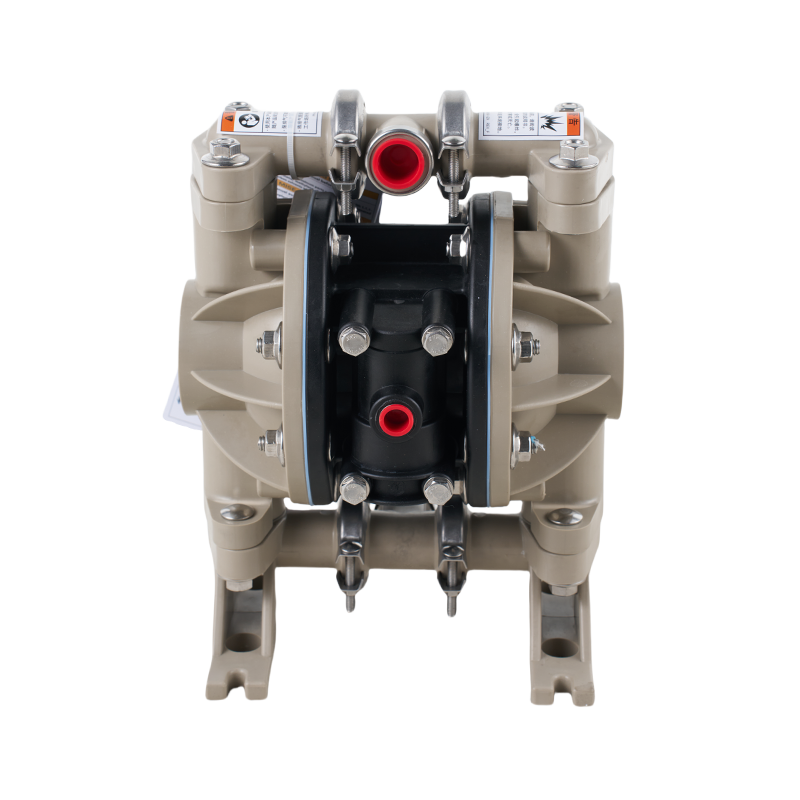
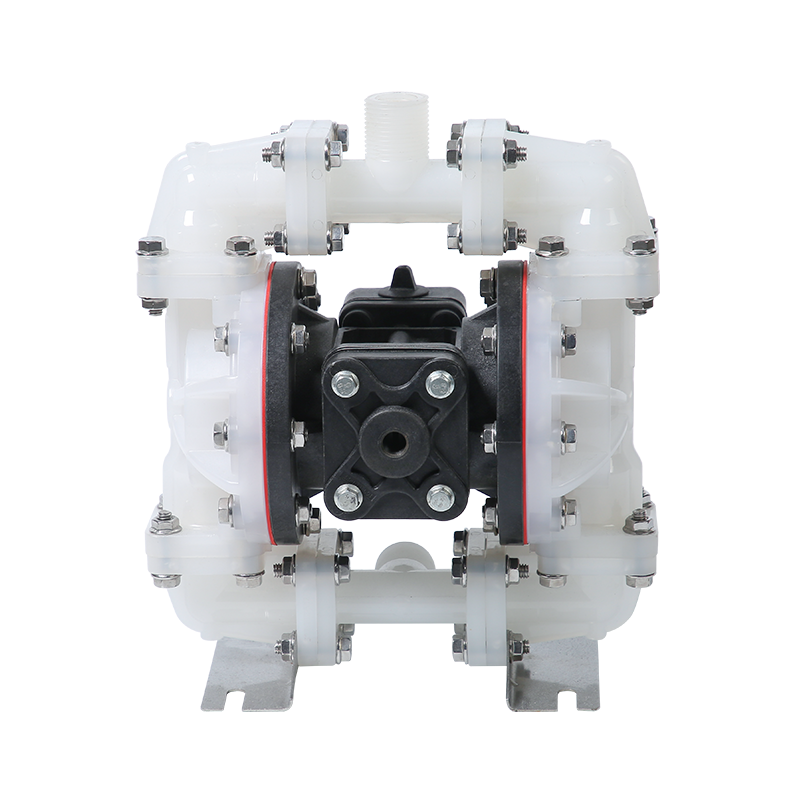
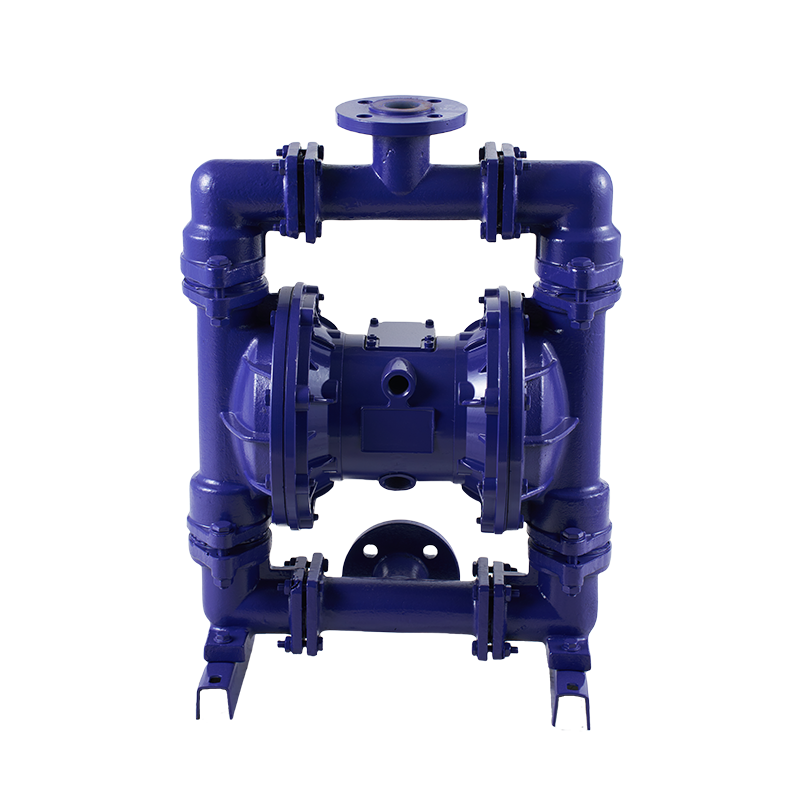
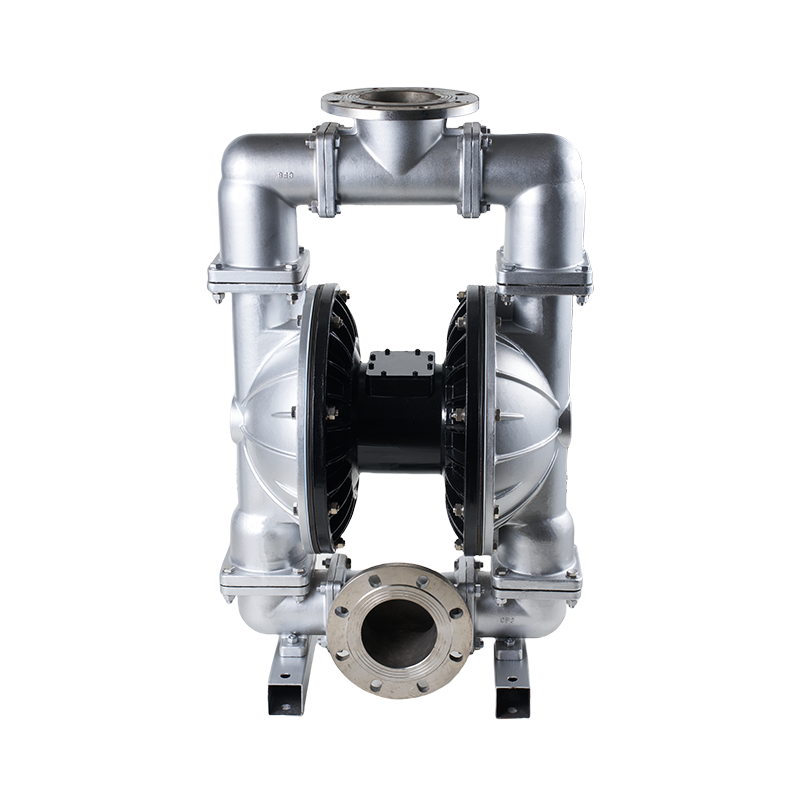
Pneumatic diaphragm pumps, specifically air-operated double-diaphragm (AODD) pumps, use compressed air to move fluids. The pump has two flexible diaphragms connected by a common shaft (the diaphragm rod). Compressed air (0.2-0.7 MPa or 30-100 psi) is directed to the back of the first diaphragm, pushing it forward. This action forces fluid out of the first chamber while simultaneously pulling fluid into the second chamber. At the end of the stroke, a pilot valve shifts the air supply to the second diaphragm, and the cycle repeats.
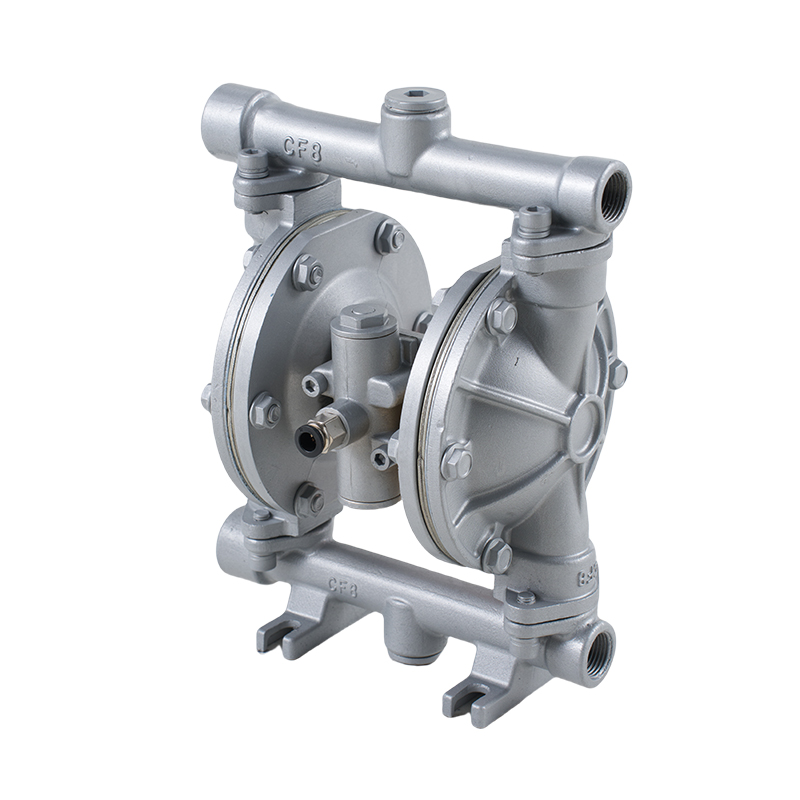
The diaphragms move back and forth at a rate of 30-200 cycles per minute. The fluid never contacts the air supply or any moving parts except the diaphragms and valves (check balls or flap valves). This design allows AODD pumps to handle viscous fluids (up to 50,000 centipoise), slurries (containing solids up to 6 mm diameter), and shear-sensitive fluids (latex, paints, food products) that would be damaged by centrifugal pumps. The pump is powered by compressed air, not electricity, so it can operate in explosive environments (painting booths, fuel depots, chemical plants) without ignition risk.
Typical Applications Across Industries
AODD pumps serve a wide range of industries. In chemical processing, they transfer acids, solvents, and corrosive liquids. The pump body can be made of polypropylene (PP), polytetrafluoroethylene (PTFE), or stainless steel (316) to resist chemical attack. In food and beverage production, they pump fruit juices, sauces, dairy products, and edible oils. Sanitary models have polished stainless steel surfaces (Ra 0.4-0.8 microns) and quick-disconnect clamps for cleaning. In water and wastewater treatment, AODD pumps move sludge, lime slurry, and polymer flocculants. The ability to run dry without damage is valuable for sump emptying and tank transfer applications where the pump may outrun the supply. In mining and construction, they pump thick slurries, grout, and mine dewatering fluids. The pump can be submerged (submersible operation) if the air exhaust is piped above the liquid level. In painting and coating, they supply paint to spray guns and circulate ink in printing presses. Low-shear pumping prevents pigment degradation. In oil and gas, they transfer drilling mud, crude oil, and waste fluids. Some pumps are rated for hazardous locations (ATEX or NEC Class I, Division 1). The flow rate ranges from 0.5 to 1,000 litres per minute, with discharge pressures up to 0.8 MPa (120 psi). The pump's air motor consumes 0.2-5 m³ of compressed air per minute at 0.5 MPa, depending on pump size and speed.
Selection Criteria for Pneumatic Diaphragm Pumps
Match the pump material to the chemical properties of the fluid. The pump body (wet end) is available in several materials. Polypropylene (PP) is suitable for acids (sulfuric, hydrochloric, nitric up to 30 percent concentration), alkalis (sodium hydroxide up to 30 percent), and many solvents (but not strong solvents like toluene, xylene, or MEK). PTFE (polytetrafluoroethylene) is chemically inert to almost all fluids, including concentrated acids and strong solvents, but it is expensive (2-3 times the cost of PP) and less abrasion-resistant. Polyvinylidene fluoride (PVDF) is an alternative to PTFE for high-purity chemical applications; it has similar chemical resistance but is easier to mold. Stainless steel (316) is used for food, pharmaceutical, and oil applications where the fluid is not highly corrosive. Stainless steel resists mild acids (acetic acid), alkalis, and salt solutions but is attacked by hydrochloric acid and strong sulfuric acid (>50 percent).
The diaphragms, check balls, and seats must also be compatible. Diaphragm materials: Neoprene (general-purpose, water, oils), Nitrile (Buna-N, petroleum fluids, diesel, gasoline), EPDM (ethylene propylene, hot water, brake fluids, alkalis), PTFE (chemicals, solvents, higher cost), and Santoprene (a thermoplastic elastomer, good for abrasion and medium chemicals). A compatibility chart from the pump manufacturer lists the recommended materials for 500+ fluids. If the fluid is not listed, test a sample of the diaphragm and body material by immersing it in the fluid at operating temperature (usually 20-80°C) for 7 days. The sample should show no weight change (less than 1 percent), no swelling (less than 5 percent volume increase), and no visible cracking. For aggressive fluids (chlorinated solvents, strong acids), PTFE diaphragms with PTFE body and PTFE check balls are the safest choice, but the cost is 4-5 times that of a polypropylene pump with Santoprene diaphragms.
Check the pump's solids handling capacity and suction lift. The maximum solids diameter that the pump can pass varies with the pump size. A 1/2-inch pump passes 2-3 mm solids; a 1-inch pump passes 4-6 mm; a 2-inch pump passes 6-10 mm; a 3-inch pump passes 10-12 mm. If the fluid contains solids larger than the specified limit, the pump will clog. The solids should also be deformable or friable; sharp, hard particles (like broken glass or metal chips) cut the diaphragms and damage the valve seats. For abrasive slurries (sand, grit, fly ash), specify pumps with harder valve seats (tungsten carbide or ceramic) and diaphragms with an abrasion-resistant coating (PTFE-faced Santoprene). The suction lift (the height the pump can pull fluid from a tank below it) is 3-6 meters for water-like fluids. For viscous fluids (1,000+ cP), the suction lift drops to 1-2 meters because the fluid does not flow quickly into the pump cavity.
If the pump is more than 2 meters above the fluid level and the fluid is viscous, install the pump below the fluid level (flooded suction). The maximum discharge pressure is determined by the air supply pressure. If the pump is deadheaded (discharge valve closed), the pump will stall (stop cycling) without damage, but the pressure will rise to match the air supply pressure. A pump supplied with 0.6 MPa air will deadhead at 0.6 MPa (90 psi) of fluid pressure. Do not exceed the pump's maximum rated pressure (typically 0.7-0.8 MPa for standard models, 1.0-1.2 MPa for high-pressure models).

Copyright © Zhejiang Zhanbo Diaphragm Pump Manufacturing Co., Ltd.

OEM/ODM Diaphragm Pump Manufacturer